What should you check?
Start with the recipient’s preferences and allergies, then compare nutrition figures on the same basis and choose a pack size that fits how the nuts will be served.
| Priority | What to check | Your needs |
|---|
| Fat and serving size |
Compare fat and energy per 100g and per stated serving. If a pack says reduced fat, check what the claim compares it with; it does not by itself mean low fat. |
I want a serving size I can judge, rather than choosing from the front-of-pack claim alone. Ocado’s M&S natural-almond listing gives 14.0g fat and 140kcal per 25g serving. |
| Salt and seasoning |
Read the salt figure and ingredients; distinguish plain nuts from salted or flavoured products. Compare serving sizes before comparing pack figures. |
If lower salt matters to the recipient, I would look at plain or unsalted nuts. Ocado lists 0.01g salt per 25g for M&S natural almonds, while KP lists 0.39g per 30g for its Original Salted Snack Pack. |
| Pack format |
Check the weight of an individual pack or the stated servings in a larger one. Consider whether the nuts will be eaten alone or put out to share. |
For one person, I may prefer separate snack packs; for a gathering, I may want a larger bag or can and serve portions from it. |
| Allergens |
Read the current ingredients and precautionary allergen statement, including named nut types and possible cross-contact. Do not assume one nut can replace another for someone with an allergy. |
I need to know whether the recipient can have the specific product before giving it as food. The NHS identifies peanuts and tree nuts among common allergic foods. |
Joybuy nut options
These mixed-nut and peanut packs offer individual and sharing formats for a Father’s Day snack. Compare their current labels if reduced fat, salt or allergens affect your choice.
 No image available
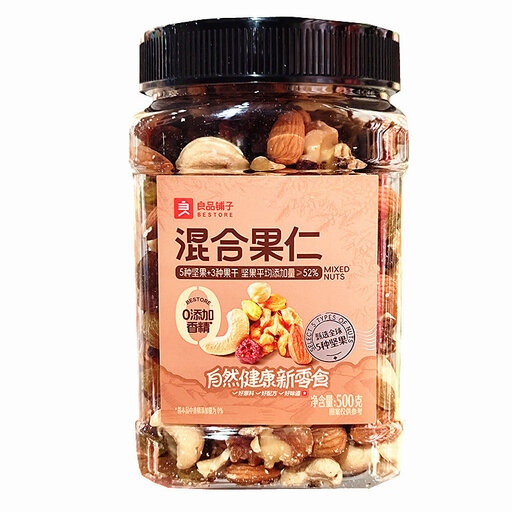
Bestore Mixed Nuts 500g
A 500g mixed-nut pack for a shared snack. Serve individual portions and check the current pack for its nut types, seasoning and allergen statement.
 No image available
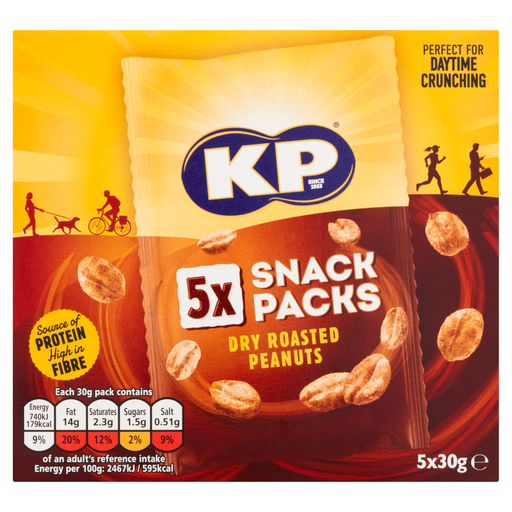
KP Snacks Dry Roasted Peanuts 5 × 30g
Five separate 30g packs make the serving size explicit for someone who prefers a savoury peanut snack. Check the current label for salt, flavouring ingredients and allergens.
 No image available
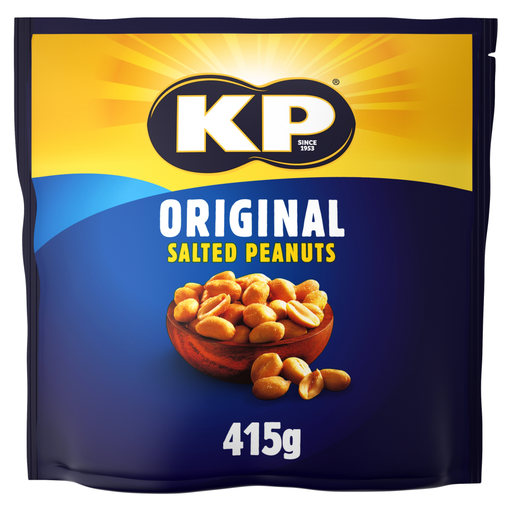
KP Snacks Original Salted Peanuts 415g
A larger salted-peanut bag for a recipient who wants a savoury snack to share. Serve portions separately if serving size matters, and check the pack’s salt figure and allergen statement.
 No image available
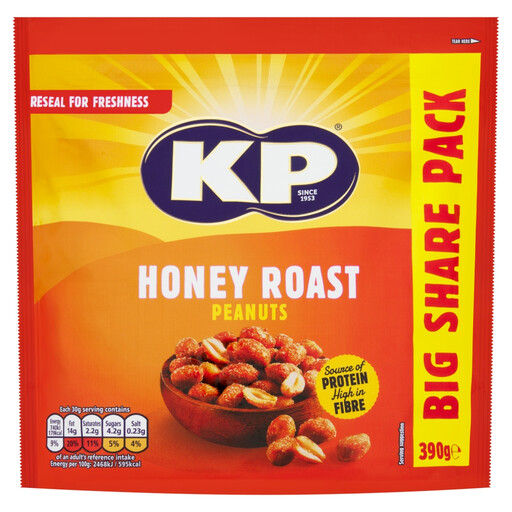
KP Snacks Honey Roast Peanuts 390g
A larger honey-roast peanut pack for someone who prefers a sweet-and-savoury flavour. Compare the current sugar, fat and salt figures with other packs rather than assuming its coating makes it a reduced-fat choice.
Common questions
Does “reduced fat” mean a nut product is low in fat?
No: reduced fat is a comparative claim, not a statement that a product is low in fat. The Department of Health and Social Care’s guidance on nutrition claims explains the rules applying in Great Britain; for a particular pack, read its comparison wording and check fat and energy per 100g and per serving.
Should I choose plain nuts or a reduced-fat-labelled pack?
Choose according to the recipient’s preferences and the figures on the particular packs; neither label settles every consideration. Plain nuts avoid added seasoning in the product, but can still contain substantial fat and energy: Ocado lists 14.0g fat and 140kcal per 25g serving for M&S natural almonds.
When do individual peanut packs make sense?
They suit a recipient who likes peanuts and wants a defined snack size rather than an open sharing bag. A portion pack can still be salted or flavoured, so read its nutrition and allergen information; KP lists 15g fat and 0.39g salt per 30g for its Original Salted Snack Pack.
Can I give mixed nuts to someone with a nut allergy?
Do not choose a nut product for someone with a known relevant allergy. The NHS identifies peanuts and tree nuts among common allergic foods; check the current ingredients and precautionary allergen statement rather than assuming a mix or substitute nut is suitable.
What should I read on the pack before buying?
Check the serving size, fat and energy, salt, ingredients, named allergens and precautionary allergen statements. For a seasoned product, check sugar as well; for a gift, also check the pack’s storage and best-before information.


