
24/7 Customer Support

Free returns

Same-day & Next-day Delivery

Quality Guaranteed

Unlock Your Welcome Offers: FREE Delivery | Up to 80% OFF | Free 30-day JoyPlus trial
Download the APP
Whether you're dealing with a pet that treats dinnertime like a race or a toddler discovering the joy of gravity with their food, the right feeding bowl can make a world of difference. But the market is flooded with options, and it's easy to fall for clever marketing that doesn't deliver. As a Joybuy Product Recommendation Officer, my role is to help you see past the hype and focus on what truly matters for a safe, clean and practical mealtime.
This guide will walk you through the common pitfalls to avoid and the key features to look for, whether you're buying for a furry friend or a little one.
Many feeding bowls fail to live up to their promises, leading to frustration and wasted money. Here are two of the most common traps UK shoppers encounter:
To ensure you get a bowl that is safe, durable and fit for purpose, focus on these essential parameters.
The material of a feeding bowl dictates its hygiene, durability and safety. Always look for food-grade materials.
A bowl that stays put is crucial for both pets and children. Look for specific stability features that match your needs.
Sometimes, a standard bowl isn't enough. Specialised designs can address specific feeding challenges.
Based on these practical criteria, here are a few feeding bowls that match distinct user needs.
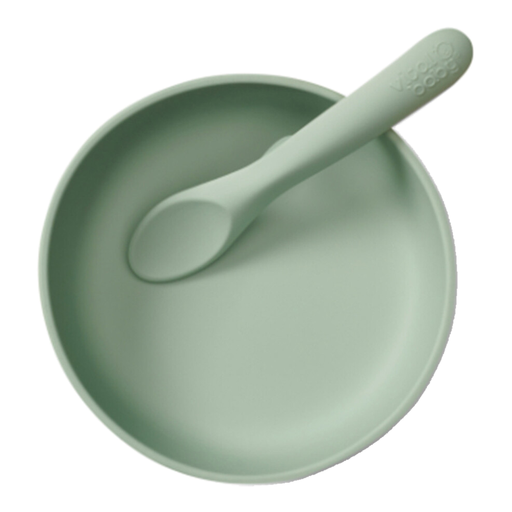
Why This Fits Their Persona: This set is designed specifically for the start of the weaning journey (4+ months). The soft silicone is gentle on a baby's gums, while the strong suction base and scooped sides directly address the challenges of messy mealtimes and self-feeding development.
It counters the "non-slip myth" with a powerful suction pad designed to adhere firmly to highchair trays. The 100% food-grade silicone material avoids the durability and hygiene issues of cheap plastics.
The combination of a super-strong suction base with scooped sides to aid self-feeding. It also includes a soft-tipped spoon, making it a complete starter set.

Why This Fits Their Persona: This is a versatile solution for pet owners facing multiple challenges. It includes a slow feeder bowl to manage fast eaters, a hygienic stainless steel bowl for water and a four-level adjustable stand, making it an excellent elevated dog bowl for various breeds.
Instead of a simple non-slip base, it offers stability through a sturdy, elevated frame. It addresses material concerns by providing a durable, easy-to-clean stainless steel bowl alongside the specialised slow feeder.
Its multi-functionality is the main draw: it's a slow feeder, an elevated stand and a standard food and water bowl set all in one. The foldable design is also convenient for storage.
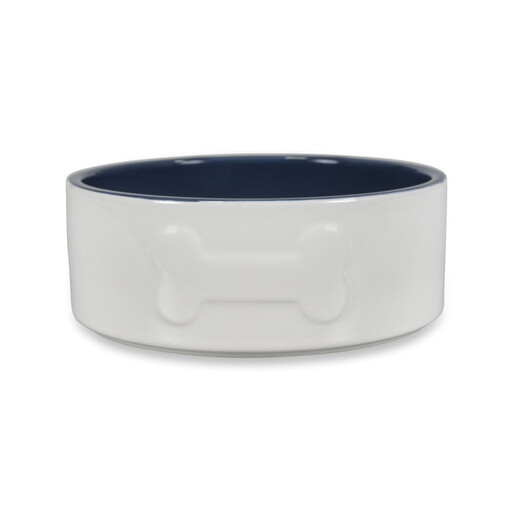
Why This Fits Their Persona: For those who want a pet bowl that complements their home decor without sacrificing function. The classic cream and navy design is stylish, while the heavyweight ceramic material provides the stability needed for even the most enthusiastic eaters.
This bowl's stability comes from its substantial weight, making it naturally tip-proof and avoiding the unreliable "non-slip" rubber ring trap. The high-quality ceramic is hygienic and won't harbour bacteria like scratched plastic.
Its heavyweight, tip-proof construction is its greatest asset. It's also dishwasher and microwave safe, adding a layer of convenience to its stylish and durable design.
We have compiled a complete, real-time list of products that fully satisfy these strict selection criteria and UK safety regulations.
For the strongest suction, ensure both the base of the bowl and the surface are perfectly clean and dry. Stay put bowls work best on smooth, flat, non-porous surfaces like a highchair tray, plastic or polished stone. Press down firmly in the centre of the bowl to push the air out and create a strong vacuum seal.
Ceramic bowls offer several advantages. They are heavy, making them difficult to tip over. The material is non-porous, so it doesn't harbour bacteria and is easy to clean. It can also help keep water cooler. However, they can chip or break if dropped. In contrast, while plastic bowls are lightweight and durable, they can scratch over time, and these scratches can become a breeding ground for germs and absorb odours. If choosing plastic, ensure it is high-quality and BPA-free.
Hygiene is paramount for your pet's health. Food and water bowls should be cleaned regularly. It is advisable to wash food bowls after every meal, especially if you use wet food, to prevent bacterial growth. Water bowls should be cleaned and refilled with fresh water daily. Many stainless steel and ceramic bowls are dishwasher safe, which simplifies the cleaning process.