Regular spice-blend cooks
If you grind fennel and other whole spices often, an electric model specified for seeds and spices may suit your routine. Check how it handles small recipe-sized batches and how easily you can clean it afterwards.


For frequent fennel-seed grinding or a fine texture, choose an electric grinder whose manufacturer explicitly lists seeds and spices, and check that it can handle your usual batch size. A pestle and mortar suits occasional small amounts when you prefer hands-on control, but takes more effort. If the grinder will also handle coffee or strongly flavoured ingredients, consider separate bowls and plan to clean them between uses.
If you grind fennel and other whole spices often, an electric model specified for seeds and spices may suit your routine. Check how it handles small recipe-sized batches and how easily you can clean it afterwards.
If one appliance will handle coffee, dry spices or wet ingredients, separate or removable bowls may matter as much as grinding control. You will still need to clean and dry components when changing ingredients.
If you only crush a little fennel at a time, a pestle and mortar offers hands-on control without a powered appliance. Allow for the extra effort if you want a finer texture.
Choose it when: You grind dry fennel regularly or want to work towards a fine texture in small batches.
Allow for: With a blade grinder, you control texture by pulsing and checking the result, then cleaning the bowl.
Choose it when: You occasionally crush a small amount and prefer direct control without an electrical appliance.
Allow for: Finer grinding takes physical effort, and the result depends on how long you work the seeds.
| Concern | What to check | Who this matters to |
|---|---|---|
| Fine, frequent grinding | For an electric model, confirm that its manufacturer lists seeds and spices; look for pulse operation and stated suitability for small quantities. | If I regularly need finely ground fennel for cooking, I want to check the texture as I grind rather than struggle with each small batch. Around 38% of consumers put fine, frequent grinding first. |
| Cleaning and flavour separation | Check whether bowls are removable or separate, and follow the model’s cleaning and drying instructions. | When I also grind coffee or prepare strongly flavoured ingredients, I do not want fennel residue carrying into the next use. Keeping flavours apart is the main concern for roughly 37% of consumers. |
| Occasional manual control | Consider the mortar’s size and weight, and whether you want crushed seeds or are prepared to work towards a finer texture. | For an occasional small recipe, I would rather control the crushing by hand than keep another appliance. About 25% of consumers prioritise that manual approach. |
Coffee-grinder designs differ, so a category name alone does not establish that a particular model is intended for seeds and spices.
Check the exact manufacturer’s stated uses. If you want to control a blade grinder’s texture, look for pulse operation.
Fennel particles and aromas left in a bowl can affect the next ingredient, whether that is coffee or another spice.
Consider separate or removable bowls if you change ingredients often, and clean and dry them as instructed between uses.
A stated maximum capacity does not tell you how a teaspoon-sized batch will reach the blades.
If you grind recipe-sized amounts, check whether the manufacturer specifically describes results with smaller quantities.
Grinding components touch the ingredients you prepare. Food Standards Scotland describes materials that come into contact with food during preparation as food-contact materials.
Choose a listing with an identifiable seller and check the product’s food-contact and cleaning information before use.
Cuisinart UK positions the SG21U Spice & Nut Grinder for spices, seeds and smaller quantities.
KRUPS UK describes its Everyday Coffee and Spice Mill as a single electric mill for coffee, nuts, seeds, herbs and spices.
Duronic positions the UK-plug CG421 as an electric grinder with separate bowls for dry ingredients and wet preparations.
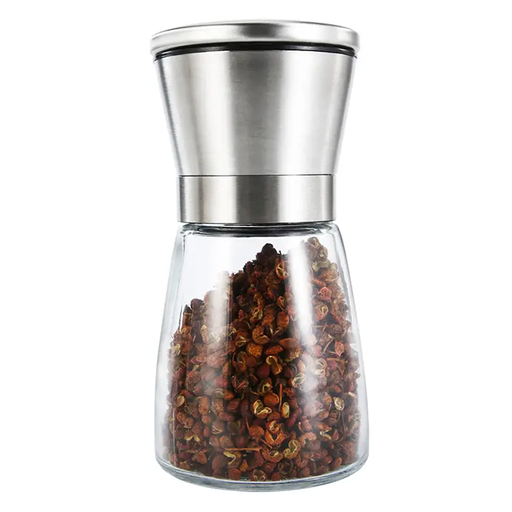
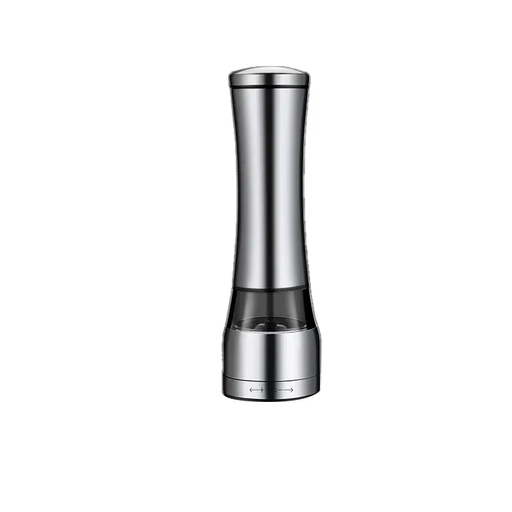
These Joybuy choices are manual pepper mills, rather than the electric grinders or pestle and mortar discussed above. Before choosing either for fennel, confirm that its mechanism handles fennel seeds, your usual batch size and the texture you want.
 No image available
A manual mill to consider if you prefer hands-on grinding. Check fennel-seed suitability, the useful batch size and how to clean the mechanism before buying.
 No image available
A manual pepper grinder to assess if you want to control the process by hand. Confirm that it accepts fennel seeds, handles your usual quantity and can be cleaned between ingredients.
Yes, if the exact model’s manufacturer lists seeds and spices among its intended uses. For a blade grinder, use short pulses and inspect the texture rather than assuming a coffee setting will produce the fennel grind you want.
Use a dedicated bowl where your grinder provides one, then clean and dry food-contact components before switching ingredients. Separate bowls help you organise uses, but they do not remove the need for cleaning.
A pestle and mortar suits occasional small amounts when you want to judge the crushed texture by hand and avoid an electrical appliance. Expect more effort if you need a consistently fine result.
Check the manufacturer’s food-contact and care information for the exact product, particularly if the seller or materials are unfamiliar. Keep the instructions so you can clean the grinding components as directed.
Check the exact model’s guarantee terms and whether repair information or replacement parts are available. Brand-level statements should not be assumed to apply to every grinder in a range.