
24/7 Customer Support

Free returns

Same-day & Next-day Delivery

Quality Guaranteed

Unlock Your Welcome Offers: FREE Delivery | Up to 80% OFF | Free 30-day JoyPlus trial
Download the APP
For many, fermented bean curd is more than just a condiment; it's a deeply savoury, umami-rich taste of home or a key to unlocking authentic Chinese cuisine. Known as fu ru or fermented tofu, these small cubes pack a powerful flavour punch. However, navigating the options available in the UK can be tricky. Finding a product that delivers the right texture and taste, without the disappointment of a bland or overly processed imitation, is a common challenge.
As a Joybuy Product Recommendation Officer, my role is to help you understand the important distinctions. We'll look at the common pitfalls that lead to a disappointing purchase and break down the key factors to consider, ensuring you choose a fermented bean curd that perfectly suits your needs, whether for a simple bowl of congee or an elaborate braised dish.
Understanding a few key details on the label can make all the difference. Here’s what to look for to ensure you get the quality and flavour you expect.
The type of fermentation dictates the core flavour profile.
A quick scan of the ingredients can tell you a lot about the product's quality. A traditional list will be short and simple: soybeans, water, salt and an alcohol source like rice wine or cooking wine.
Based on these practical considerations, here are a few options matched to different user needs and preferences.
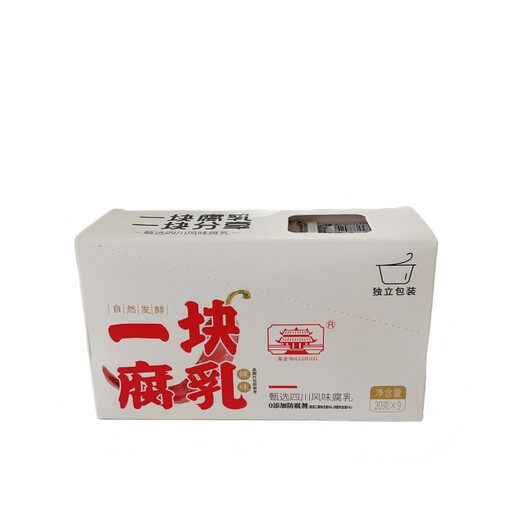
Why This Fits Their Persona: Perfect for students or individuals in the UK who want a quick, flavourful addition to a meal without opening a large jar. The single-serving packs are ideal for accompanying a bowl of rice or porridge.
Directly solves the "inconvenient packaging" pitfall. Individual portions ensure freshness for every use and eliminate food waste.
Excellent portion control. The product highlights also note no added preservatives like sodium dehydroacetate or calcium propionate.

Why This Fits Their Persona: For those seeking the authentic, nostalgic taste of **Chinese fermented tofu**. Wang Zhi He is a time-honoured brand, established in 1669, known for its classic flavour profile and reliable quality, making it a staple in many Chinese households.
This product counters the "flavour imbalance" pitfall by delivering a consistent, traditional taste that has been trusted for centuries, avoiding unpleasant surprises.
Features whole, plump cubes with a delicate texture. Its heritage and reputation provide confidence in its authenticity.
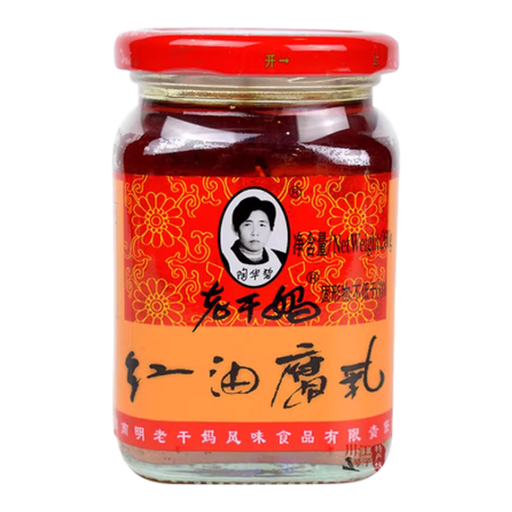
Why This Fits Their Persona: For anyone looking to **buy Lao Gan Ma tofu in the UK**, this is the definitive choice. It's for the user who specifically wants that iconic, fiery red oil flavour that the brand is famous for, delivering a powerful and aromatic kick.
It avoids any flavour ambiguity. You know exactly what you are getting: the authentic, spicy and savoury taste that has made Lao Gan Ma a global phenomenon.
Iconic and intense spicy flavour. The combination of creamy fermented tofu and aromatic chilli oil is a classic pairing.
We have compiled a complete, real-time list of products that fully satisfy these strict selection criteria and UK safety regulations.
Once opened, it's important to store the jar in the refrigerator with the lid tightly sealed. Most manufacturers recommend consuming it within one month. To prolong its life and prevent contamination, always use a clean, dry utensil to take out the cubes, rather than one that has been in contact with other foods.
While both are popular Asian condiments made from fermented soybeans, they are very different. Fermented bean curd, or fu ru, consists of whole cubes of tofu with a soft, cheese-like texture, preserved in a brine. Miso is a thick paste made from soybeans fermented with salt and a fungus called kōji (and often rice or barley). Their uses are distinct; fu ru is often eaten as is, while miso is typically dissolved to make soup bases, glazes or marinades.
If you notice small, hard white crystals in your fermented tofu, there is usually no need for alarm. According to some brands, these are often tyrosine crystals, a type of amino acid that can precipitate out of the protein-rich liquid during the fermentation and storage process. They are considered harmless. However, if you see any fuzzy or coloured mould (such as blue, green or black), the product has spoiled and must be discarded immediately.