
24/7 Customer Support

Free returns

Same-day & Next-day Delivery

Quality Guaranteed

Unlock Your Welcome Offers: FREE Delivery | Up to 80% OFF | Free 30-day JoyPlus trial
Download the APP
Navigating the world of fermented bean paste can feel overwhelming. You see a recipe for an authentic Korean stew or a classic Chinese stir-fry, head online to buy the key ingredient and are met with dozens of tubs and jars that look similar but have vastly different names: doenjang, doubanjiang, miso, ssamjang. It's a common scenario for UK home cooks to end up with the wrong paste, leading to a dish that just doesn't taste right.
As the Joybuy Product Recommendation Officer, my role is to help you understand these differences so you can choose with confidence. Many shoppers fall into a few common traps. Firstly, they might buy a product marketed as an "all-purpose" paste, only to find its flavour profile is completely wrong for their intended recipe. Secondly, confusion between a ready-to-use sauce and a concentrated base paste often leads to dishes that are either bland or far too salty. Let's break down what you really need to know.
To avoid disappointment, focus on three key characteristics. Getting these right is the foundation for recreating those authentic East Asian flavours in your UK kitchen.
The primary ingredient dictates the fundamental taste and is the most crucial factor.
Not all pastes are created equal in flavour. Understanding their profile prevents a dish from becoming inedibly salty or unexpectedly sweet.
The product's form tells you how to use it.
Based on these practical factors, we've matched some popular options to the cooks who will appreciate them most.
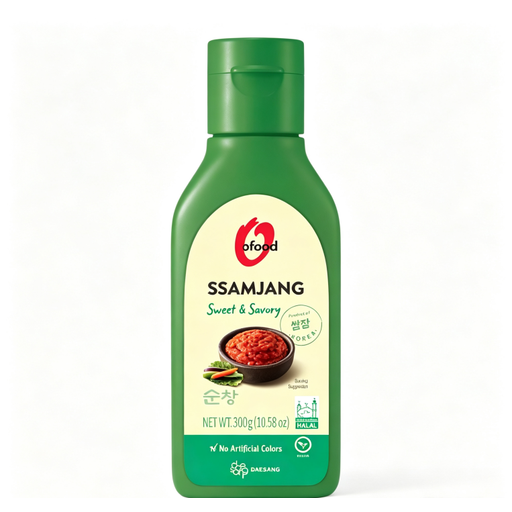
Why This Fits Their Persona: If you're hosting a Korean BBQ night, this is the quintessential dipping sauce. It's specifically made for pairing with grilled meats and lettuce wraps (ssam), delivering that perfect balance of savoury, sweet and umami flavour without any prep work. The tube is also very convenient for serving.
This is a seasoned, ready-to-use sauce, not a concentrated base paste. It prevents the mistake of serving plain, overly salty doenjang as a dip.
Authentic ssamjang flavour profile. Convenient, mess-free tube packaging ideal for table use.

Why This Fits Their Persona: For anyone serious about cooking authentic Sichuan food, this is a non-negotiable pantry staple. Its ingredients include broad beans and chilli, marking it as a classic doubanjiang. This is the "soul of Sichuan cuisine," providing the unique flavour needed for Mapo Tofu, Kung Pao chicken and twice-cooked pork.
It solves the "wrong base ingredient" problem. Using a regular soybean paste for Sichuan recipes results in a flat, one-dimensional taste. This provides the correct broad bean and chilli foundation.
Authentic Pixian-style flavour. Essential for a wide range of classic Sichuan dishes. Requires cooking to release its full aroma.
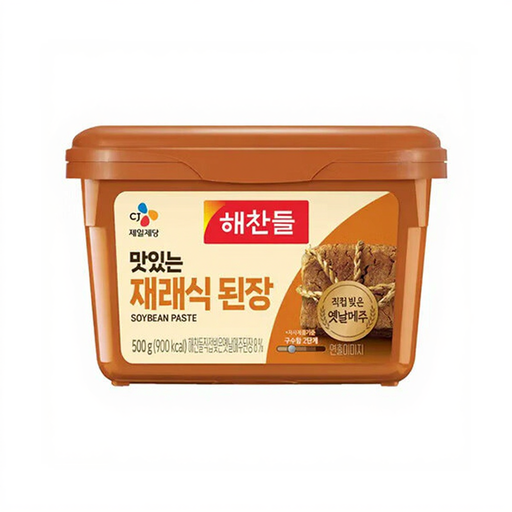
Why This Fits Their Persona: This is for the cook who wants to make Korean stews like doenjang jjigae from scratch. It's a foundational Korean bean paste with a high concentration of fermented soybeans (94%), providing a deep, savoury and complex flavour that you can't get from a pre-mixed sauce. It gives you full control over the final dish.
This product avoids the "over-seasoned" trap of all-in-one sauces. It provides the pure, unadulterated umami base, allowing the cook to add garlic, chilli and other seasonings to their own taste.
High soybean paste content (94%) for an authentic, deep flavour. A versatile base for a wide range of traditional Korean dishes.
We have compiled a complete, real-time list of products that fully satisfy these strict selection criteria and UK safety regulations.
Once opened, most fermented bean pastes should be stored in the refrigerator with the lid tightly sealed. Due to their high salt content, they are well-preserved and can last for several months. However, their colour may darken and flavour might change over time. Always use a clean, dry spoon to scoop out the paste to prevent introducing contaminants.
While both are types of fermented bean paste, they have distinct characteristics and are not always interchangeable. Japanese miso paste is typically made by fermenting soybeans with rice (koji), resulting in a smoother texture and a flavour that can range from mild and sweet to salty and pungent. Korean doenjang is made primarily from fermented soybeans and salt, giving it a coarser texture and a more robust, earthy and intensely savoury flavour profile that is fundamental to Korean stews.
This depends entirely on the product. Seasoned, ready-to-use sauces like ssamjang or a prepared black bean sauce can be used directly as dips or added at the end of cooking. In contrast, concentrated base pastes like doenjang or doubanjiang must be cooked. They are often fried in a little oil at the start of a recipe to release their complex aromas or simmered in soups and stews to meld their flavours with the other ingredients. Always check the usage instructions on the packaging.