
24/7 Customer Support

Free returns

Same-day & Next-day Delivery

Quality Guaranteed

Unlock Your Welcome Offers: FREE Delivery | Up to 80% OFF | Free 30-day JoyPlus trial
Download the APP
From the spicy kick of Korean kimchi to the tangy crunch of German sauerkraut, fermented cabbage has become a staple in many UK kitchens. It's a versatile ingredient, celebrated for its complex flavours and role in global cuisines. However, navigating the online marketplace can be tricky. With so many options available, it's easy to end up with a product that doesn't meet your expectations, whether in taste, texture or intended use.
As the Joybuy Product Recommendation Officer, my role is to help you sidestep common purchasing mistakes. Many shoppers find themselves disappointed by products that are either too bland or overwhelmingly intense or they purchase an item expecting a ready-to-eat side dish only to find it requires cooking. Let's look at the key pitfalls to avoid:
To ensure you choose the right product, focus on a few core details beyond the front label. These parameters will help you match a product to your culinary needs.
The ingredient list is your most reliable guide. True fermented products rely on salt and time to develop their flavour.
How a product is stored tells you a lot about its processing and how it should be handled at home.
Finally, consider how you plan to use the product. Is it a main component or a condiment?
To help you choose, we've matched some popular options to different user needs, explaining how they align with the selection criteria above.

Why This Fits Their Persona: This is for the home cook who wants a reliable, authentic Korean kimchi flavour without the guesswork. It's perfect as a ready-to-eat side for rice bowls, ramen or Korean BBQ nights at home.
It sidesteps the "vague flavour" pitfall. As a product from a major South Korean brand, it delivers a consistent and traditional taste profile. The ambient storage is clearly presented as a convenience feature.
Convenient pantry staple: Can be stored at room temperature. Authentic flavour: Made in South Korea using traditional methods for a genuine tangy and spicy taste.
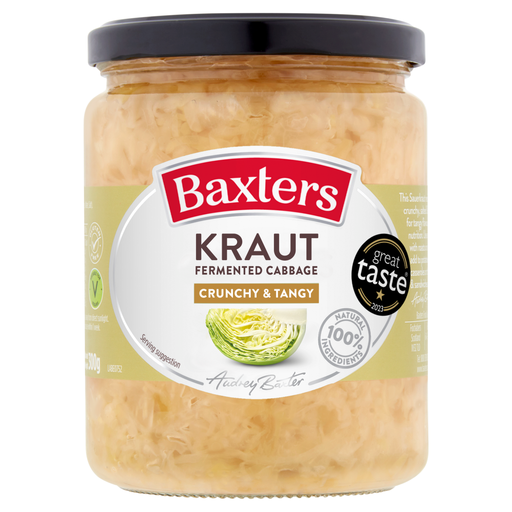
Why This Fits Their Persona: Ideal for those looking for classic, tangy sauerkraut to serve with sausages, pork roasts or to pile onto a hot dog or sandwich. It's a no-fuss, traditional product from a trusted UK-based brand.
Its purpose is clear and its ingredient list is minimal (cabbage, water, salt), avoiding confusion about flavour or hidden additives. This is straightforward, classic sauerkraut.
Simple and traditional: Delivers the expected tangy flavour of sauerkraut without unnecessary complexity. Versatile side dish: Pairs well with a wide range of hearty European dishes.
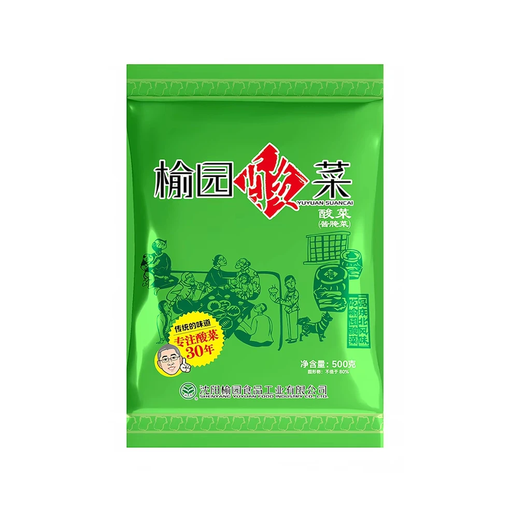
Why This Fits Their Persona: This is for the home chef aiming to recreate authentic Chinese dishes, such as Suan Cai Yu (pickled cabbage and fish stew). This product is a core ingredient, not a side dish.
It directly solves the "ingredient vs. side dish" confusion. The instructions clearly state "Cook before consumption" and suggest rinsing, guiding the user on its proper application in cooking.
Authentic cooking ingredient: Specifically designed for traditional Chinese recipes. Simple and natural: Made with Chinese cabbage, water, salt and a fermentation culture, with no added preservatives.
We have compiled a complete, real-time list of products that fully satisfy these strict selection criteria and UK safety regulations.
While both are forms of fermented cabbage, their flavour profiles and ingredients are distinct. Sauerkraut is typically made from finely shredded cabbage fermented with salt, resulting in a clean, sour taste. Kimchi, a staple of Korean cuisine, is made with napa cabbage and a wide range of seasonings, including Korean chilli powder, garlic, ginger and scallions, giving it a complex flavour that is spicy, sour and umami.
Refrigerated, unpasteurised fermented cabbage contains live and active cultures. Shelf-stable (ambient) versions are usually heat-treated (pasteurised) to make them safe for pantry storage, a process that can reduce the number of live microorganisms. However, they remain a flavourful and convenient food. If your primary goal is to consume probiotic foods, a refrigerated product is generally the preferred choice.
Once opened, most fermented cabbage products should be stored in the refrigerator with the lid tightly sealed. For refrigerated varieties, it's best to consume them within a few weeks. Shelf-stable products like Baxters sauerkraut or kimchi usually recommend consumption within one week of opening to maintain their quality and flavour. Always check the packaging for specific storage instructions.