
24/7 Customer Support

Free returns

Same-day & Next-day Delivery

Quality Guaranteed

Unlock Your Welcome Offers: FREE Delivery | Up to 80% OFF | Free 30-day JoyPlus trial
Download the APP
Shopping for fermented foods and drinks online can be convenient, but product descriptions often make very different items sound interchangeable. A jar of fermented soybean paste is not the same as chilli bean sauce, while a kombucha-style soft drink may contain added sugar, sweeteners or only a powdered fermented tea ingredient.
For UK shoppers, the most useful approach is to look past broad claims such as “traditional”, “natural” or “authentic” and check the actual ingredients, storage instructions and intended use.
Fermentation is a food-making process, not automatically a medical or nutritional benefit. Kombucha drinks, Korean kimchi, sauerkraut and Chinese fermented bean curd can all be made or described differently. Some products are refrigerated and actively fermented, while others are shelf-stable, pasteurised or formulated with acidity regulators.
Treat phrases such as “supports wellbeing” or “probiotic” carefully. Check whether the label identifies live cultures, and remember that a fermented product can still be high in salt or sugar.
Asian fermented foods cover several distinct flavour profiles:
A product selected for a specific recipe is less likely to sit unused in the cupboard.
Fermented products are not automatically low in salt. For example, the listed salt content is 8.75g per 100g for Wangzhihe Large-piece Fermented Bean Curd and 11.3g per 100g for Lee Kum Kee Chilli Bean Sauce. These are concentrated seasonings, so they are normally used sparingly.
Also check whether a product needs refrigeration after opening. A shelf-stable jar may be practical for a small UK kitchen, but kimchi and some drinks require more careful storage.
Read the full ingredient list rather than relying on the front label. Common allergens in Asian condiments include soybeans, wheat, gluten, peanuts and barley. This is particularly important with doenjang, sweet bean paste, gochujang-based sauces and fermented tofu.
For baking, check whether instant dry yeast contains additives. Angel Instant Dry Yeast 15g lists yeast and sorbitan monostearate (E491), and it is intended for cooking rather than raw consumption.
Compare the nutrition panel per 100g or per serving. Sauces and pastes are concentrated, so a small spoonful may be enough for an entire dish. Sweet sauces can also contain substantial sugar: Sempio Topokki Sauce, Sweet lists 29.7g sugars per 100g, while the spicy version lists approximately 40g sugars per 100g.
For drinks, look at the can size as well as the per-100ml figure. Lipton Kombucha Mango & Passionfruit contains 11g sugar per 250ml can, whereas Remedy Kombucha Raspberry Lemonade lists 0g sugar per 330ml can according to the supplied product information.
Refrigerated kimchi should be kept at the stated temperature, while ambient products should still be stored away from heat and sunlight. Once opened, use a clean, dry spoon for pastes and close the container securely.
Check the packaging for the best-before date, and do not use products if seals are broken, cans are swollen or the contents show unusual mould, odour or discolouration. For UK purchases, also review the allergen information and responsible-person details supplied on the product page.
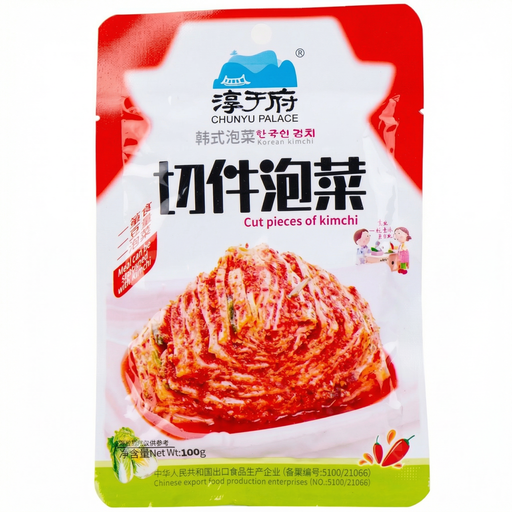
Why This Fits Their Persona: A small, pre-cut pack suits shoppers trying Korean kimchi for the first time or preparing meals for one or two people.
The 100g ready-to-eat format reduces the risk of buying a large jar before knowing your preferred level of tang and spice.
Pre-cut cabbage and radish; ready to serve with rice, soup or cooked dishes. Keep refrigerated at 0–4°C.

Why This Fits Their Persona: Suitable for cooks seeking a traditional Chinese fermented ingredient with a soft texture and multiple serving options.
Its stated uses make clear that it is a concentrated side dish or seasoning, rather than a general-purpose cooking sauce.
340g format; can accompany porridge and rice, spread on steamed buns or added to braised dishes. Refrigerate after opening.
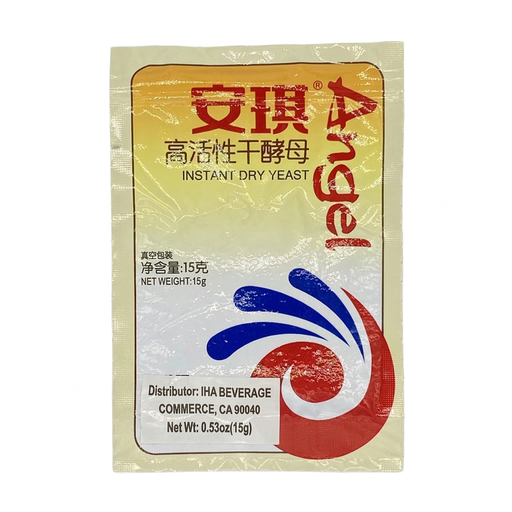
Why This Fits Their Persona: A practical choice for home bakers making bread, pizza dough, rolls or other yeasted recipes.
The product is clearly identified as an instant dry yeast ingredient, so buyers can distinguish it from fresh yeast or ready-made dough.
Can usually be mixed directly with dry ingredients; store unopened in a cool, dry place and refrigerate after opening.
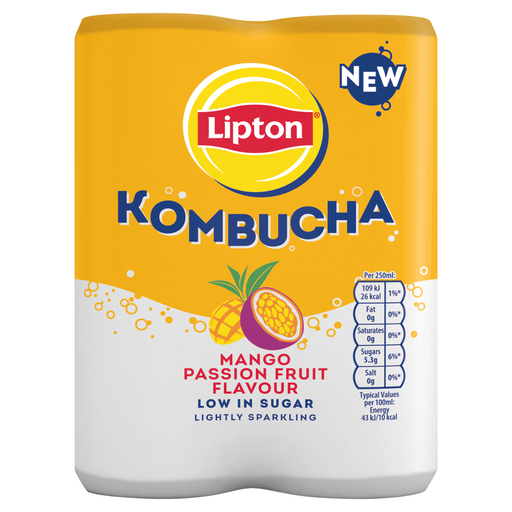
Why This Fits Their Persona: A convenient multipack for chilled lunches, work breaks or shoppers who prefer a fruit-flavoured sparkling drink.
The 250ml serving and nutrition panel make it easier to assess sugar intake than relying on general low-sugar wording.
Four 250ml cans; mango and passionfruit flavour; serve chilled and refrigerate after opening.
We have compiled a complete, real-time list of products that fully satisfy these strict selection criteria and UK safety regulations.
They can be included as part of a varied diet, but suitability depends on the specific product and portion. Many fermented condiments are high in salt, while some kombucha drinks contain sugar or sweeteners. Check the label and use concentrated pastes sparingly.
Some do and some do not. Fresh kimchi and opened fermented bean curd generally require refrigeration. Ambient kimchi and unopened jars may be stored in a cool, dry cupboard if the packaging says so. Always follow the product-specific instructions.
There is no single lifespan. Supplied guidance ranges from using kombucha within three days of opening to consuming chilli bean sauce within one month. Sauerkraut should be refrigerated and used within one week after opening according to its product information. The label on the individual pack takes priority.