
24/7 Customer Support

Free returns

Same-day & Next-day Delivery

Quality Guaranteed

Unlock Your Welcome Offers: FREE Delivery | Up to 80% OFF | Free 30-day JoyPlus trial
Download the APP
Fermented foods and drinks can add sharpness, umami, sweetness or refreshing acidity to everyday meals. However, UK shoppers may encounter confusing labels, unsuitable storage instructions and products that do not match the way they plan to eat or cook.
Whether you are looking for Korean kimchi, kombucha, natto, sauerkraut, soybean paste or versatile Asian food ingredients, the most suitable choice depends on more than flavour. Check how the item is stored, what allergens it contains and whether it is ready to eat or intended for cooking.
Fermentation methods vary considerably. Kimchi and sauerkraut are fermented cabbage products, while natto is made from fermented soybeans. Soybean paste, chilli bean sauce and gochujang topokki sauce are concentrated cooking ingredients, not necessarily ready-to-eat foods.
Some products may also include acidity regulators, preservatives, sugar, seafood extracts or starter cultures. Read the full ingredients list rather than relying on front-of-pack wording such as “traditional”, “natural” or “live”.
Ambient kimchi and some kombucha products can be stored at room temperature before opening, but this does not mean they can be stored indefinitely. Check the best-before date and keep opened products according to the packaging.
For example, ambient kimchi pouches are convenient for work lunches, travel and camping, while refrigerated cut kimchi needs chilled storage. Natto in the supplied product information is kept frozen below -18°C and should be refrigerated after thawing.
Fermented products often rely on salt for flavour and preservation. Sauces can be particularly concentrated: the listed chilli bean sauce contains 11.3g of salt per 100g, while the soybean paste lists approximately 6.5g per 100g. These ingredients are normally used in small quantities, but portion size still matters.
Allergens also vary. Kimchi may contain anchovy or shrimp, soybean paste commonly contains soy and wheat, and Marmite yeast extract contains cereals including barley, wheat, oats and rye. Always check the current UK label, especially if buying for someone with an allergy or intolerance.
Use this quick guide before adding an item to your basket:
A product that fits your cupboard space and routine is less likely to be wasted.
Compare the ingredients list with your intended use. A fish-free or plant-based kimchi may suit some shoppers, but several listed kimchi products contain fish, shrimp or seafood extracts. Products described as vegan or vegetarian should still be checked against the latest packaging.
For drinks, compare the serving size and sugar information rather than judging by flavour name alone. Remedy Kombucha Wild Berry is listed at 2 kcal and 0g sugar per 100ml, while the Raspberry Lemonade variety lists 3 kcal and 0g sugar per 100ml. Both are ready to drink and are intended to be served chilled.
Single-serve 80g ambient kimchi pouches are practical if you want to try a flavour or pack one with lunch. Larger jars or multipacks may offer more servings for households that use fermented cabbage regularly.
For cooking pastes, a 500g tub of soybean paste may be more suitable for frequent Korean cooking, whereas a 150g topokki sauce bottle is more appropriate if you are preparing occasional rice-cake dishes.
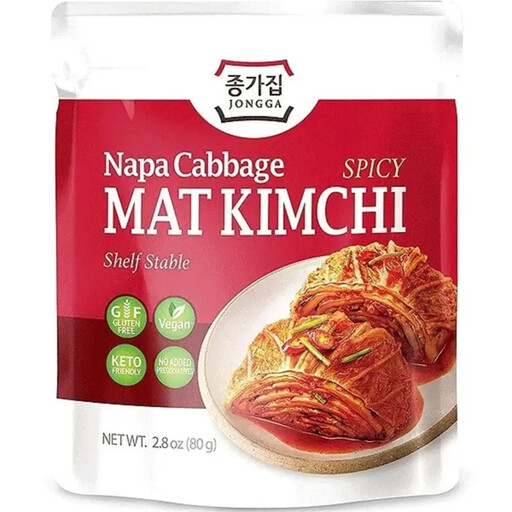
Why This Fits Their Persona: The single-serve pouch offers a low-commitment way to try Korean kimchi without immediately buying a large jar. It can be stored at room temperature before opening.
The storage instruction is clear: keep it in a cool, dry place before opening and refrigerate after opening. The pouch is ready to eat, so no preparation equipment is needed.
80g ready-to-eat format; suitable for rice, noodles, soups or packed lunches. Contains anchovy and shrimp ingredients.
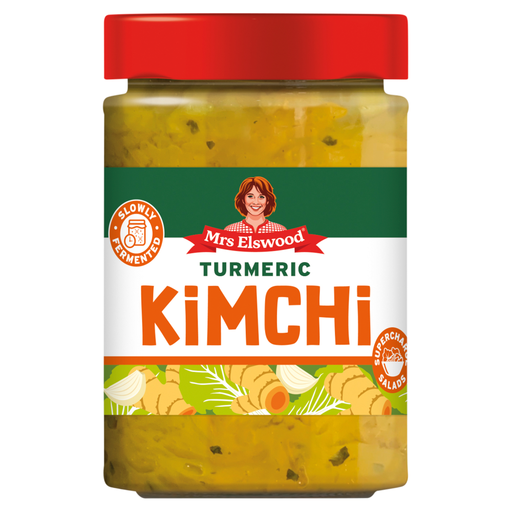
Why This Fits Their Persona: This jarred kimchi combines fermented cabbage with 2.5% turmeric, offering a variation on standard spicy kimchi for shoppers who want a distinctive flavour profile.
The product listing provides ingredients, nutrition and opening instructions, including refrigeration and use within one week.
300g jar; suitable for sides, stir-fries, soups and sandwiches. Contains anchovy and may contain traces of mustard and celery.
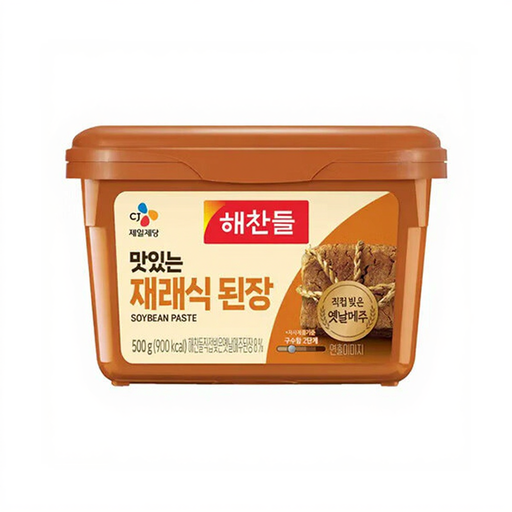
Why This Fits Their Persona: A larger tub suits regular cooks preparing doenjang jjigae, marinades, stir-fries or vegetable dips at home.
It is clearly positioned as a cooking ingredient, helping prevent the mistake of treating a concentrated paste like a snack. Refrigerate promptly after opening.
500g format; made with 94% soybean paste according to the listing. Contains soy and wheat; cooking is required.
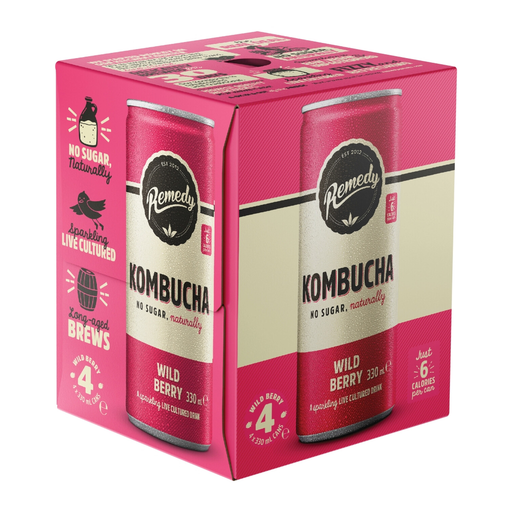
Why This Fits Their Persona: The four-can pack works for chilled drinks at home, packed lunches or casual refreshment without preparation.
The pack states that it is ready to drink and gives clear storage guidance. Compare the listed nutrition values instead of assuming every kombucha has the same sugar content.
Four 330ml cans; wild berry flavour; listed at 2 kcal and 0g sugar per 100ml. Best served chilled.
We have compiled a complete, real-time list of products that fully satisfy these strict selection criteria and UK safety regulations.
They can be used in many everyday dishes, but suitability depends on ingredients, portion size and individual dietary requirements. Salt, sugar and allergen information varies, so check the label and use concentrated sauces in measured amounts.
Usually, unopened ambient kimchi can be stored in a cool, dry cupboard if the packaging says so. Once opened, it generally needs refrigeration and should be consumed promptly. Do not use a pouch that is bloated, leaking or damaged.
No. Sugar levels vary between products and flavours. Check the nutrition panel per 100ml and per serving. The listed Remedy varieties provide specific sugar information, but other kombucha drinks may have different formulations.