
24/7 Customer Support

Free returns

Same-day & Next-day Delivery

Quality Guaranteed

Unlock Your Welcome Offers: FREE Delivery | Up to 80% OFF | Free 30-day JoyPlus trial
Download the APP
Fermented soybean paste can transform a simple bowl of noodles, stew or stir-fried vegetables with savoury depth. However, choosing the right jar is not always straightforward. Korean soybean paste, Chinese soybean paste, doenjang paste and bean paste sauce can look similar on a supermarket shelf while offering very different levels of salt, sweetness, spice and texture.
The right choice depends on how you cook and which dishes you want to prepare. Before buying, check these common pitfalls.
Not every fermented bean sauce is interchangeable. Korean doenjang paste is commonly used in soups, stews and vegetable dips, while Chinese fermented bean sauces may be sweeter, saltier or more suitable for stir-fries and braised dishes.
Chilli bean sauce, such as Toban Djan, also contains chilli and broad beans, so it delivers a different flavour from a plain soybean paste. If you want a mild savoury base for soybean paste for stews, check that the product is not a spicy or sweetened variation.
Words such as “traditional” or “authentic Asian condiments” do not tell you whether the paste contains wheat, added sugar, flavour enhancers or preservatives. Read the ingredient list and country-of-origin information rather than relying only on front-of-pack descriptions.
This is particularly important for UK shoppers managing allergies. Soybeans and wheat are common ingredients in fermented bean sauce, and some seasoned products may also contain peanuts, sesame or seafood ingredients.
Fermented pastes are concentrated seasonings. Several products in this category list approximately 6.5g to 11.3g of salt per 100g, so a small spoonful can contribute a considerable amount to a meal. Use the paste in place of some other salty ingredients, such as soy sauce or stock cubes, and adjust gradually.
Look for soybeans or soybean paste near the beginning of the ingredients list. A short ingredient list may suit cooks who want a direct, savoury umami paste, while a seasoned product can be more convenient for dipping or marinades.
Chinese soybean paste may include wheat flour, salt and sometimes sugar. Korean doenjang paste can be more robust and earthy, whereas seasoned Korean pastes may include chilli, garlic, onion, rice wine or sweeteners.
Match the product to your usual recipes:
A 150g–180g tub is practical if you are trying a new flavour or cook occasionally. Larger 300g–500g packs may offer better cupboard value for regular cooks, K-BBQ gatherings or professional kitchens, but they require careful storage after opening.
Always check the current packaging for the best-before date, allergen declarations and storage instructions. Most opened pastes should be refrigerated, commonly at around 0°C to 4°C, and used with a clean, dry spoon. Discard the product if the packaging is swollen or if you notice mould, unusual discolouration or an off smell.
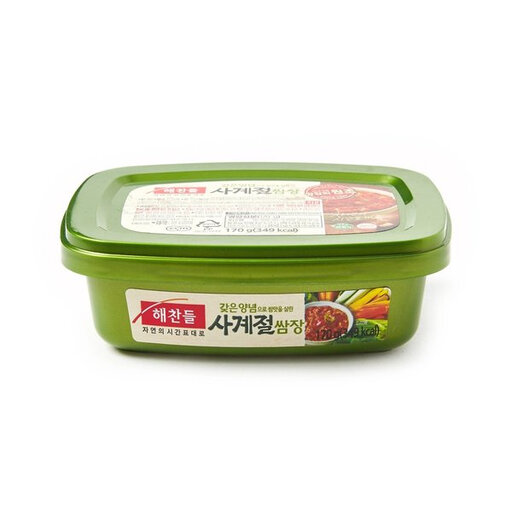
Why This Fits Their Persona: The 170g pack is a manageable size for first-time buyers who want to try Korean flavours in soups, marinades or dipping sauces without committing to a large tub.
The product information clearly lists soybeans, wheat, salt and alcohol, helping shoppers check the main ingredients before buying.
South Korean origin; usage guidance covers stews, soups, marinades and sauces. Listed salt content is 9.5g per 100g.
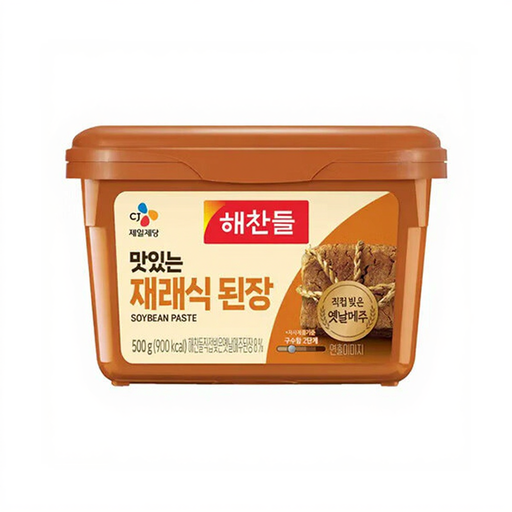
Why This Fits Their Persona: A 500g tub suits regular Korean home cooking, including doenjang jjigae, vegetable dips, marinades and weekday stir-fries.
It is identified as a soybean paste for cooking rather than a sweet or chilli-led sauce, making it easier to match with traditional stews.
South Korean origin; product instructions include a 30g serving suggestion for doenjang jjigae and refrigeration after opening.
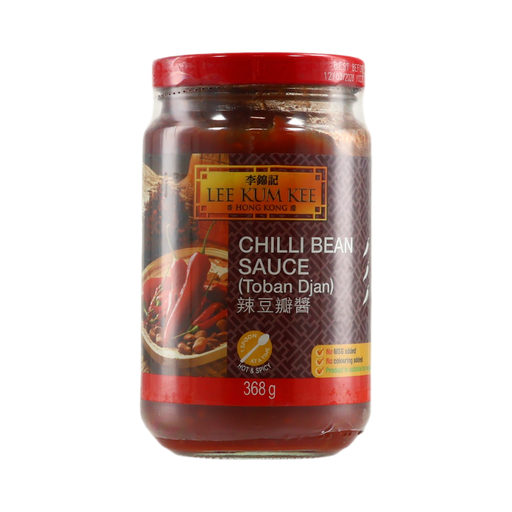
Why This Fits Their Persona: The 368g pack is suited to frequent cooks preparing Mapo Tofu, spicy stir-fries, braises and Sichuan-style sauces.
The product is clearly labelled as chilli bean sauce, so shoppers are less likely to mistake it for a mild Korean soybean paste.
Contains broad beans, soybeans and chilli; instructions recommend frying 1–2 tablespoons briefly to release aroma.
For a simple Korean-style stew, dissolve one to two tablespoons in water or stock, then add tofu, vegetables and your chosen protein. For stir-fries, fry the paste briefly in oil before adding meat or vegetables. This helps distribute the flavour, but avoid prolonged high heat if the paste begins to catch.
For dipping, thin the paste with a little water, sesame oil, garlic or vinegar. Chinese sweet bean paste can be combined with noodles or used with pancakes, while ssamjang-style products are designed for lettuce wraps and grilled meats.
We have compiled a complete, real-time list of products that fully satisfy these strict selection criteria and UK safety regulations.
Doenjang is a Korean fermented soybean paste, but not every fermented soybean paste is doenjang. Chinese soybean paste, sweet bean paste and chilli bean sauce have different ingredients and culinary uses.
Follow the product label. Many pastes should be sealed and refrigerated after opening, then used within one to two months. Use clean utensils and discard the paste if you see mould, swelling or notice an unusual smell.
You can use it as a savoury seasoning, but it is thicker and usually more concentrated. Start with a small amount, dilute it in stock or water, and reduce other salty ingredients to keep the dish balanced.