
24/7 Customer Support

Free returns

Same-day & Next-day Delivery

Quality Guaranteed

Unlock Your Welcome Offers: FREE Delivery | Up to 80% OFF | Free 30-day JoyPlus trial
Download the APP
Navigating the world of fermented soybean paste can feel overwhelming. The shelves are lined with jars and tubs promising authentic Asian flavour, but the labels can be confusing. As a home cook in the UK, you might be looking for that perfect umami paste to recreate a memorable dish, only to end up with something that doesn't quite hit the mark. This guide is designed to help you sidestep common purchasing mistakes and choose the right product for your kitchen.
As the Joybuy Product Recommendation Officer, my role is to filter market information and provide practical advice. Let's look at the frequent pitfalls that can lead to a disappointing meal and wasted money.
To make an informed choice, focus on a few core characteristics rather than just the marketing on the front of the label.
The foundation of the paste determines its primary taste. Understanding the base will help you match it to your recipe.
The physical form of the paste impacts how it incorporates into a dish.
Instead of a generic list, we've matched specific products to the cooks who will appreciate them most.
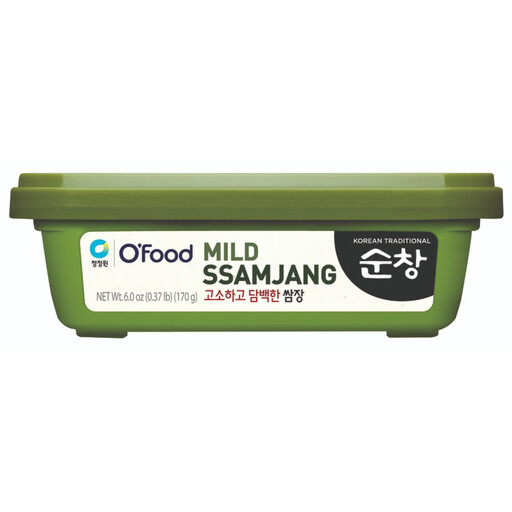
Why This Fits Their Persona: This is the quintessential dipping sauce for anyone recreating the Korean BBQ experience at home. It's a ready-to-use, balanced blend of savoury, sweet and mild spice, perfect for lettuce wraps with grilled meat. The 170g tub is an ideal size for a few meals, preventing waste.
This is a purpose-built ssamjang, not a generic paste. It avoids the regional mix-up by providing the exact condiment needed for Korean BBQ. The smaller size directly counters the oversized tub problem.
Ready to use straight from the tub with a balanced, mild flavour profile suitable for most palates. Made with 100% Korean soybeans for an authentic taste.
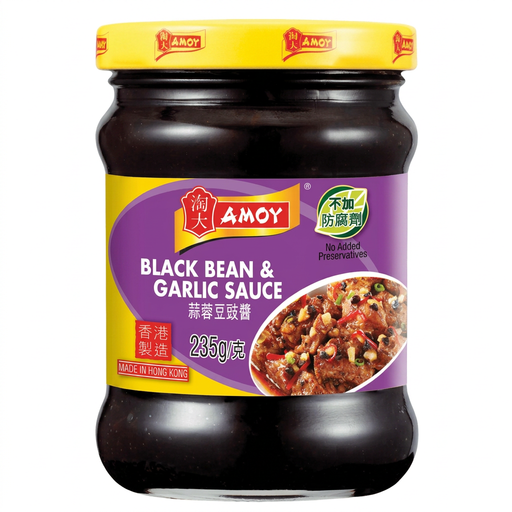
Why This Fits Their Persona: For the home cook who wants to make a quick, flavourful Chinese-style meal after work, this sauce is a reliable choice. It provides the classic savoury taste for black bean chicken or beef and broccoli without needing to combine multiple ingredients.
While it is a convenient stir fry sauce, its flavour is rooted in 12% fermented salted black beans and 21% garlic, avoiding the trap of being a simple sugary glaze. It delivers a genuine black bean sauce flavour.
A versatile sauce from a well-established Hong Kong brand. It's perfect for stir-frying, steaming or marinating, offering a rich, umami-packed taste with no added preservatives.
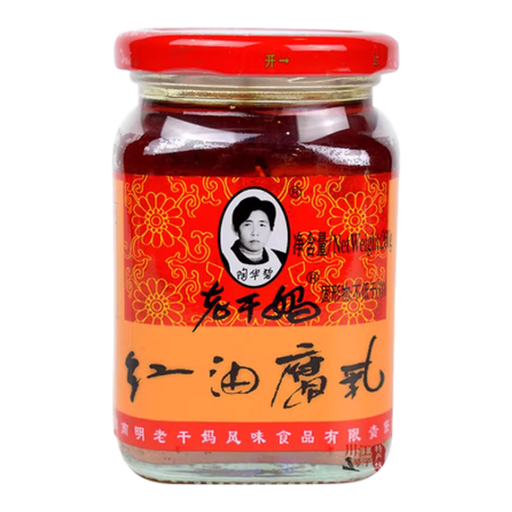
Why This Fits Their Persona: This is for the cook who craves bold, uncompromising flavours. It's not a subtle background note; it's a powerful condiment. A small piece adds an intense, creamy, spicy and savoury kick to plain rice, congee, or can be mashed into a dipping sauce for hot pot.
This product is unapologetically what it is: fermented bean curd. It avoids any confusion with cooking pastes by being a distinct condiment with a unique texture and application, delivering a flavour that cannot be replicated by generic sauces.
Delivers a complex, pungent and spicy flavour profile from a globally recognised brand. The cubes of fermented soybean offer a creamy, cheese-like texture that is highly distinctive.
We have compiled a complete, real-time list of products that fully satisfy these strict selection criteria and UK safety regulations.
1. How long does fermented soybean paste last after opening? Most fermented soybean pastes are high in salt, which acts as a natural preservative. Once opened, they should be sealed tightly and stored in the refrigerator. Generally, they can last for several months to a year, but it's always wise to check the packaging for specific advice. Use a clean, dry spoon for each use to prevent contamination. If you notice any mould or an off-smell, it should be discarded.
2. Can I use Chinese bean paste instead of Korean soybean paste? While they are both fermented soybean products, they are not always interchangeable. Korean doenjang has a funkier, more pungent flavour, whereas many Chinese soybean pastes (huangdoujiang) are saltier and can be smoother. For a dish like Korean doenjang-jjigae, using a Chinese paste would result in a noticeably different taste. For a general stir-fry, you might get away with it, but for authentic flavour, it's best to use the type specified in the recipe.
3. What is the difference between ssamjang and doenjang?Doenjang is the foundational Korean fermented soybean paste, made purely from soybeans and brine. It is intensely salty and savoury and is used as a cooking ingredient for stews and soups. Ssamjang is a seasoned dipping paste that uses doenjang as a base. It also contains gochujang (chilli paste), garlic, sesame oil and sometimes sugar, making it a complete, ready-to-eat condiment for wraps and grilled meats. You cook with doenjang; you dip with ssamjang.