Choose unopened tinned salmon if you cannot keep frozen food frozen throughout the trip: the M&S tins described here specify cool, dry storage before opening. Frozen fillets suit a cooked meal only when your transport, storage and cooking arrangements meet the instructions on the exact pack. If you have no way to refrigerate leftovers, choose a tin you expect to finish in one meal.
Who each format suits
Campers without confirmed cold storage
Unopened tins are the relevant format if you cannot count on a freezer or reliable refrigeration. The M&S tinned salmon described here specifies cool, dry storage before opening; check the instructions on the tin you buy.
Campers planning a low-prep meal
A smaller tin or a skinless-and-boneless variant may fit a meal with little campsite preparation. Read the exact label for bone warnings, and choose a size you can manage after opening.
Camp cooks with frozen storage
Frozen fillets suit campers who want to cook salmon and can meet the pack’s storage and cooking instructions throughout the trip. Tesco lists plain frozen salmon fillets alongside other prepared salmon products, so check which format you are buying.
What matters when choosing
For a festival trip, settle the storage plan before choosing between an unopened tin and frozen fillets. Then match the portion and preparation to the meal you intend to make.
| Concern |
What to check |
Who this matters to |
| Storage before opening |
Read the tin’s storage instruction, or check how you will meet the frozen pack’s storage instruction throughout the trip. |
If I cannot rely on a campsite freezer, I need food I can store as its unopened label directs. About 50% of consumers put storage independence first. |
| Portions and bones |
Compare tin sizes and read any skinless-and-boneless wording alongside the bone warning. |
For a simple campsite meal, I want a portion I can finish without managing leftovers, while knowing whether small bones may remain. About 30% of consumers prioritise a manageable, low-prep portion. |
| Cooked-fillet meal |
Check that the product is a plain fillet if that is what you want, then read its storage and cooking directions. |
I would rather cook salmon fillets than use a tin, and I can plan the storage and cooking that requires. A cooked-fillet meal is the primary need for about 20% of consumers. |
Campsite planning mistakes
-
Treating frozen fillets like unopened tins
The M&S tins described here specify cool, dry storage before opening; frozen salmon needs its own storage and cooking plan.
If you cannot meet the exact frozen pack’s instructions during transport and at camp, choose a tin whose unopened storage instructions you can follow.
-
Assuming skinless and boneless means no bones
M&S warns that small bones may remain in its skinless-and-boneless salmon.
Read the individual label and take care when serving anyone who needs to avoid bones.
-
Opening a large tin without a leftover plan
M&S instructs buyers to transfer unused salmon to a non-metallic container, refrigerate it and eat it within 24 hours after opening.
If refrigeration will not be available, pick a tin size you expect to finish in one meal. Follow the instructions on your own tin rather than applying another product’s time limit.
-
Relying on a product-family name for ingredients
Salmon is fish, and flavoured products can contain additional ingredients. GOV.UK identifies fish among the allergens that food businesses must declare when it is an ingredient.
Check the current ingredients and allergen information on the exact product you intend to pack.
Brands and ranges to consider
Princes
Princes lists Wild Pacific Red Salmon tins in 105 g and 213 g sizes, giving campers two stated pack sizes to consider.
- Princes lists red salmon and salt as the ingredients for this product.
- Those details apply to the named red salmon product, not every Princes tin; check the label for storage and bone information.
John West
Tesco’s tinned-salmon listing includes John West red and pink salmon, skinless-and-boneless multipacks and flavoured fillets.
- The listed formats offer different pack and preparation choices.
- Check the exact product’s ingredients, bone wording and storage instructions; a range listing does not establish them for every tin.
Tesco
Tesco lists own-label tinned pink and red salmon, as well as a separate frozen salmon range.
- Its tinned listing includes several can sizes and skinless-and-boneless options.
- A frozen listing is not a substitute for the chosen pack’s storage and cooking instructions.
M&S
M&S describes a 170 g Wild Alaskan Red Salmon product as skinless and boneless; its 105 g product specifies cool, dry storage before opening.
- The named products provide specific format and storage wording to compare with a campsite plan.
- M&S cautions that small bones may remain and instructs buyers to refrigerate unused contents after opening.
Tinned and frozen salmon on Joybuy
These selections cover Morrisons tinned pink salmon for meals without a freezer and The Fish Society frozen fillet steaks for a trip with suitable storage and cooking arrangements. Check each pack’s instructions before deciding what to take.
 No image available
Morrisons Pink Salmon 213 g, four-pack
The four-pack offers separate 213 g tins for meals planned across a trip without relying on frozen storage before opening. Check the pack’s storage and bone wording, and make a refrigeration plan for any contents left after opening.
View on Joybuy
 No image available
Morrisons Pink Salmon 213 g
A single 213 g tin suits a trip where you want to plan one tinned-salmon meal rather than carry a multipack. Check its unopened storage instruction and bone wording, and refrigerate any leftovers as the pack directs.
View on Joybuy
 No image available
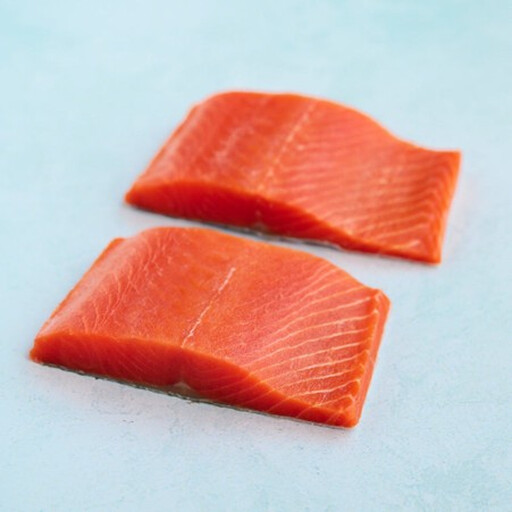
The Fish Society Wild Sockeye Salmon Fillet Steaks 220 g
These 220 g salmon fillet steaks are a choice for a cooked meal only if you can meet the pack’s frozen-storage, thawing and cooking instructions during the trip. Check its bone and allergen wording before packing it.
View on Joybuy
Questions about camping with salmon
Should I take tinned salmon or frozen fillets to a festival?
Choose unopened tins if you cannot meet a frozen pack’s storage requirements throughout the trip; the M&S tins described here specify cool, dry storage before opening. Take frozen fillets when you can store and cook them according to the exact pack instructions and want a cooked-fillet meal.
Is skinless-and-boneless tinned salmon completely free of bones?
Do not assume so. M&S warns that small bones may remain in its skinless-and-boneless salmon, so read the exact label and take care when serving someone who needs to avoid bones.
What should I do with salmon left in an opened tin?
Follow that tin’s label. For the M&S tins described here, transfer unused contents to a non-metallic container, refrigerate them and eat them within 24 hours. Without refrigeration at camp, plan to finish the tin in one meal.
What allergen information should I check?
Check the ingredients and allergen statement on the exact product, particularly if it is flavoured. GOV.UK identifies fish among the allergens that food businesses must declare when it is an ingredient.


