Hosts serving a mixed group
Plan how many diluted drinks the bottle will make, and keep its ingredient and allergen information available when guests choose a drink.


Choose a no-added-sugar cordial if reducing added sugar is your priority, but check the sugars in the prepared drink and the sweeteners in the ingredients list; a no-added-sugar label does not answer either question on its own. A conventional cordial can suit a table where avoiding sweeteners matters more, provided its sugar content works for your plans. For either choice, use the current bottle’s dilution, storage and allergen information before serving.
Plan how many diluted drinks the bottle will make, and keep its ingredient and allergen information available when guests choose a drink.
Compare no-added-sugar options using the sugars figure for the prepared drink, as well as the ingredients list. Products carrying the same front-of-pack wording can use different sweeteners.
A conventional cordial may suit a recipe where avoiding sweeteners takes priority. Check its sugar content and dilution directions rather than assuming it matches a no-added-sugar option.
For a festival food table, decide whether reducing added sugar or avoiding sweeteners matters more, then compare the drinks as they will actually be prepared.
Choose it when: reducing added sugar is the priority and the listed sweeteners are acceptable for your table.
Check: the prepared-drink sugars figure and the exact ingredients, which differ between the cited products.
Choose it when: avoiding sweeteners matters more than choosing a no-added-sugar recipe, as illustrated by Belvoir Raspberry & Lemon Cordial.
Check: sugar remains an ingredient in that Belvoir cordial, so compare its diluted nutrition with the serve you intend to make.
| Priority | What to check | Your needs |
|---|---|---|
| Added sugar and prepared-drink sugars | Read the front-of-pack claim and the sugars figure, noting whether nutrition is given per 100ml or per serving and whether it refers to diluted drink. ASDA Groceries lists 0g sugars per 250ml diluted serving for Robinsons Double Strength Orange; Sainsbury’s lists below 0.5g per 250ml serving for its Lime Cordial. | I want to reduce added sugar without assuming that every no-added-sugar drink contains no sugars after dilution. |
| Sweetener choice | Read the exact ingredients. The cited Robinsons orange squash lists acesulfame K and sucralose, Sainsbury’s Lime lists sucralose, and Waitrose & Partners lists steviol glycosides for Belvoir Lemon & Lime. | If I am avoiding a particular sweetener, I need to choose by the bottle’s ingredients rather than by its flavour or no-added-sugar wording. |
| Prepared-drink yield | Compare each bottle’s dilution directions and stated servings. ASDA Groceries lists a 1:9 dilution and 70 servings for the cited 1.75L Robinsons bottle; Waitrose & Partners lists 1:6 and 14 servings for Belvoir Lemon & Lime. | There should be enough drink for the table, so I would plan from the stated servings rather than bottle size alone. |
| Allergens and current recipe | Check the physical bottle’s ingredient and allergen declaration before serving. The cited Robinsons orange squash and Sainsbury’s Lime Cordial both declare sulphites. | When guests need to check ingredients, I want the current bottle and its label to remain available. |
| After-opening storage | Read the directions for the exact cordial. Waitrose & Partners says to refrigerate the cited Belvoir Lemon & Lime and Raspberry & Lemon cordials after opening and use them within three weeks. | If bottles will be opened ahead of the event, I need to know how each one should be stored afterwards. |
Concentrates have different dilution directions and stated serving counts, so bottle volume does not tell you how many glasses a product will make.
Use the exact bottle’s mixing directions and stated servings when planning quantities for the table.
The cited no-added-sugar products list different sweeteners, while their prepared drinks can still show sugars on the nutrition panel.
Check both the ingredients and the diluted-drink nutrition. If avoiding sweeteners is the priority, compare a conventional cordial’s ingredients and sugars too.
The cited Robinsons orange squash and Sainsbury’s Lime Cordial declare sulphites. Decanting without retaining the bottle makes those details harder for guests to check.
Read the current label before serving and keep it available alongside any decanted drink.
The maker’s nutrition and serving figures refer to its stated preparation. A stronger mix changes what is in each glass and reduces the number of drinks the bottle makes.
Start with the bottle’s directions, and let guests choose still or sparkling water separately.
The Double Strength Orange No Added Sugar squash listed by ASDA Groceries offers a labelled 1:9 mix and 70 servings from a 1.75L bottle.
Tesco Groceries lists own-label quadruple-strength no-added-sugar squashes in lemon, orange, and apple and blackcurrant flavours.
Sainsbury’s lists a 1L Lime Cordial No Added Sugar containing 30% fruit juice from concentrate.
ASDA Groceries lists Robinsons Double Strength Orange No Added Sugar Squash in a 1.75L bottle.
M&S presents cordials including elderflower and raspberry, rhubarb and hibiscus varieties for dilution with still or sparkling water.
Waitrose & Partners lists no-added-sugar squash and cordial options alongside individual Belvoir cordials with different recipes.
These four concentrates are no-added-sugar options for making drinks at a festival food table. Compare their flavours and bottle formats, then check each current label for the prepared-drink nutrition, mixing directions and ingredients you need.
 No image available
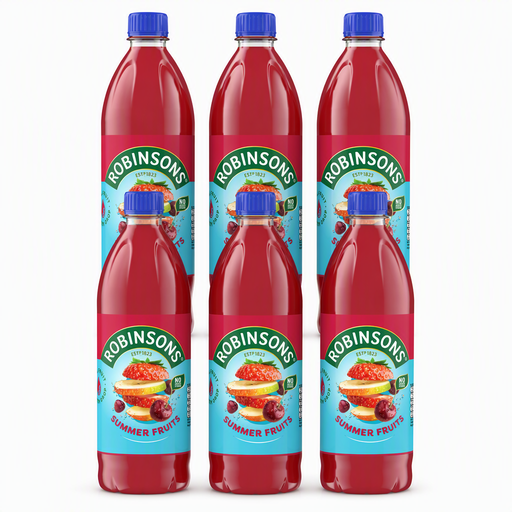
The six-bottle format is worth considering when planning drinks for a group. Check the mixing directions and sugars per prepared serving on these bottles before working out quantities; keep the current ingredients and allergen label available for guests.
 No image available
This blackcurrant concentrate is an option for guests who prefer that flavour. Use the bottle’s preparation directions, and check whether its nutrition figures describe concentrate or prepared squash before comparing sugars with another drink.
 No image available
This 1L orange squash offers a single-bottle no-added-sugar choice. Read its dilution directions and prepared-drink sugars figure before estimating servings or comparing it with another orange squash.
 No image available
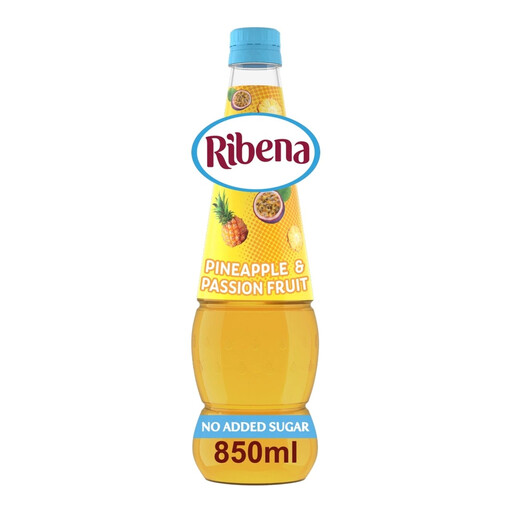
This pineapple and passion fruit squash adds a different flavour to the drinks table. Check the bottle for prepared-drink nutrition and dilution directions rather than using concentrate figures to compare glasses of squash.
No. The cited no-added-sugar cordials show sugars figures for their prepared drinks, so read the nutrition panel on the stated diluted basis and follow the bottle’s mixing directions.
No. ASDA Groceries lists acesulfame K and sucralose in the cited Robinsons orange squash, Sainsbury’s lists sucralose in its Lime Cordial, and Waitrose & Partners lists steviol glycosides in Belvoir Lemon & Lime. The cited Belvoir Raspberry & Lemon has no sweeteners but does contain sugar.
Start with the exact bottles’ stated servings and dilution directions, then consider how many drinks you intend to offer. The cited listings give different mixing ratios and serving counts, so bottle size alone cannot answer the question.
Keep the current bottle available so the guest can inspect its ingredient and allergen declaration before taking a drink. The cited Robinsons orange squash and Sainsbury’s Lime Cordial declare sulphites; do not rely on the flavour name or an older listing to identify a product’s ingredients.
Follow the instructions on the exact bottle. Waitrose & Partners says to refrigerate the cited Belvoir Lemon & Lime and Raspberry & Lemon cordials after opening and use them within three weeks; do not apply those directions to every brand.