Organisers handing out individual snacks
Sealed bags make it possible to count out portions while keeping each packet’s ingredient and allergen information with the food.


Choose sealed individual bags when each festival attendee needs a handout; use sharing packs for a managed snack table rather than treating them as one portion per person. Compare the printed net weight, and check the exact flavour’s ingredients and allergen information when catering for dietary requirements.
Sealed bags make it possible to count out portions while keeping each packet’s ingredient and allergen information with the food.
Look for the dietary labelling needed by your group, then check the ingredients and allergen declaration on each exact flavour. A brand name alone does not establish suitability.
Sharing packs may suit a managed serving point. Keep their original packaging available so guests can inspect the food information if crisps are put into bowls.
Decide whether you need one sealed bag per person or food for a serving table, then compare pack weights and the labels on the flavours you plan to serve.
| Priority | What to check | Your needs |
|---|---|---|
| Individual portions | Check the number of sealed bags, each bag’s printed net weight and any stated serving size. A case of individual bags is different from a sharing pack. | I need to hand one unopened snack to each attendee, so the bag count and weight per bag matter more than the size of the outer pack. |
| Dietary and allergen labels | Read the exact flavour’s dietary claims, ingredients, emphasised allergens and may-contain statement. Check the current packet before serving someone with an allergy. | Guests need to identify which packet meets their requirements; a vegan or gluten-free label does not answer every allergy question. |
| Flavour selection | Compare the ingredients of plain salted and seasoned options separately. For example, Seabrook Sea Salted is labelled vegan, while Seabrook Cheese & Onion contains milk ingredients, according to Seabrook Crisps. | I want a plain salted choice alongside other flavours without assuming that every flavour from the same brand has the same ingredients. |
| Pack size in transit | Use net weight rather than apparent packet fullness to compare portions. KETTLE Chips explains that air cushions crisps in transit and that the stated weight refers to the crisps. | When packing snacks for an event, I want to know how much food each sealed bag contains, not judge it by the space the packet takes up. |
Recipes differ: Seabrook Crisps labels its Sea Salted product vegan and gluten-free, but lists milk ingredients in its Cheese & Onion product.
Check the current packet for each flavour, including ingredients and may-contain warnings, before choosing food for someone with a dietary requirement or allergy.
A sharing pack does not give each attendee a sealed portion. Once crisps are put into bowls, guests may also lose sight of the original food information.
Count individual bags for handouts. If you use sharing packs at a serving table, keep their packaging available for ingredient and allergen checks.
Air can cushion crisps inside a sealed bag, so packet volume is not the quantity of crisps inside.
Compare the printed net weight, serving declaration and number of bags instead.
These examples show why format and label checks need to be made for the particular product, not the brand as a whole.
Tesco Groceries lists a Ready Salted 45g grab bag as one serving.
Tyrrells lists Lightly Sea Salted crisps in 40g, 150g and 600g formats.
KETTLE Chips labels its Lightly Salted product gluten-free and suitable for vegans and vegetarians; a sharing-box format is relevant to communal serving.
Seabrook Crisps describes its Sea Salted product as a 31.8g bag labelled gluten-free and suitable for vegetarians and vegans.
McCoy's offers ridged crisps and a Big Sharing range for a different serving format.
Vending Superstore lists REAL Sea Salt as a case of 24 individual 35g bags.
These options include individual potato-crisp bags and multipacks, alongside taro chips and potato-based ring snacks. Check the snack type as well as the weight and number of bags if attendees expect traditional potato crisps.
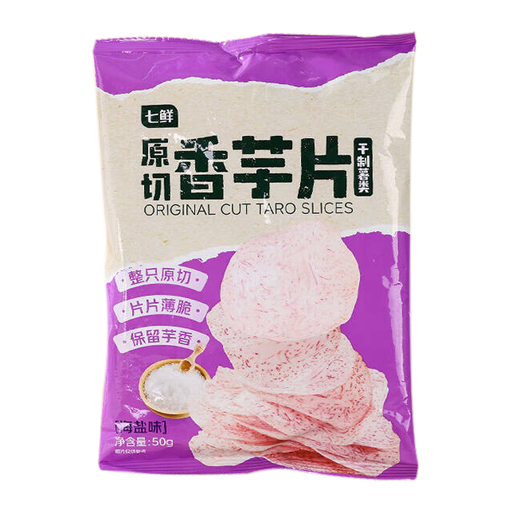 No image available
The 50g bag is an individual snack option, but these are taro chips rather than potato crisps. Check the current packet’s ingredients and allergen information before choosing it for a dietary requirement.
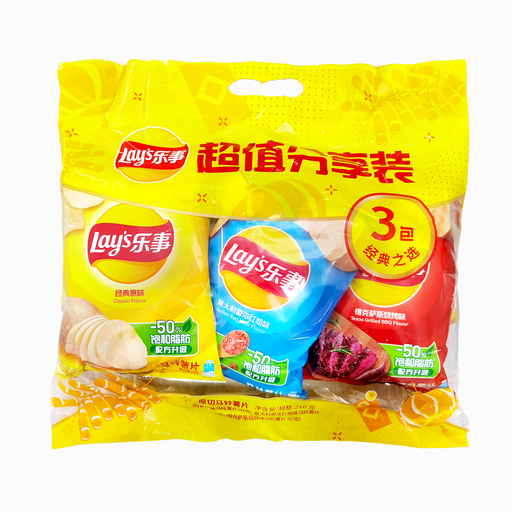 No image available
Three separate bags offer different flavours for individual handouts; the stated 70g per bag is worth considering when planning portions. Check the ingredients and allergen declaration for each flavour.
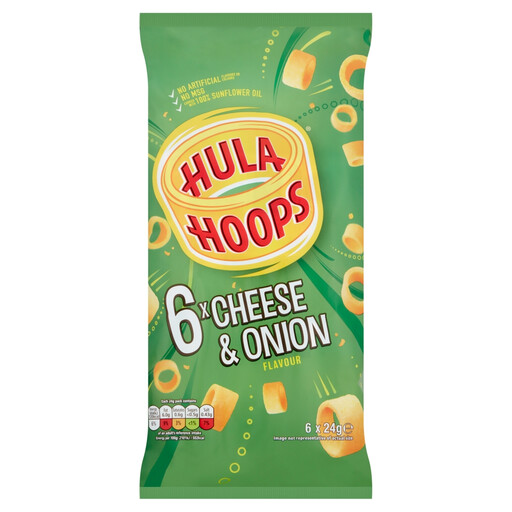 No image available
Six separate 24g bags allow one ring-shaped potato snack per handout rather than a traditional flat crisp. Check the packet for milk ingredients and any may-contain gluten warning before serving guests with relevant dietary needs.
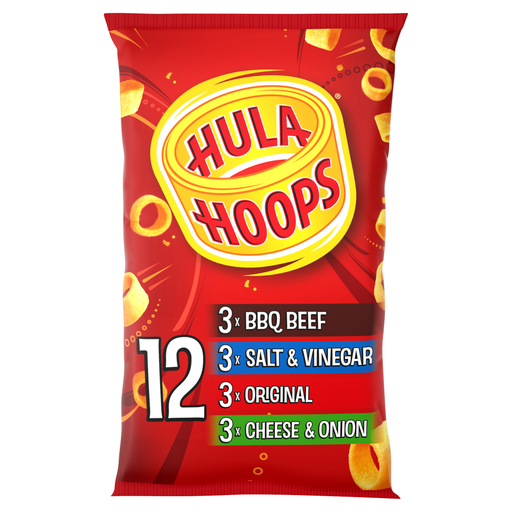 No image available
Twelve separate 24g bags provide small handout portions in several flavours, including Original. These are potato-based ring snacks rather than traditional flat crisps; check each flavour’s ingredients and allergen declaration.
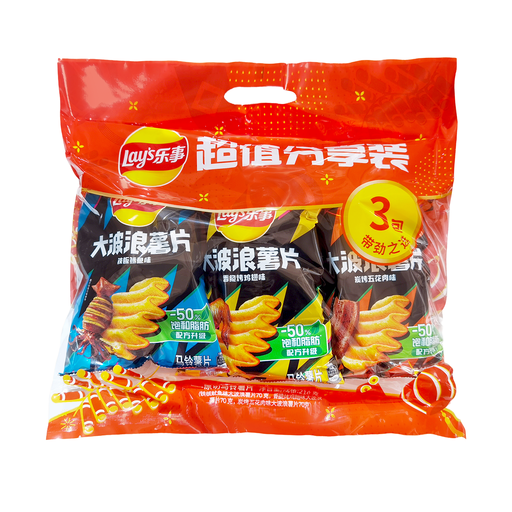 No image available
Three separate 70g bags offer distinct seasoned flavours rather than a plain salted handout. Check each flavour’s ingredients and allergen information, particularly when serving vegetarians or guests with allergies.
Choose by the portion you intend to hand out, using the printed net weight rather than the packet’s apparent size. Product examples range from Seabrook Sea Salted at 31.8g to the Walkers Ready Salted 45g grab bag; check whether the exact pack is described as one serving when that matters to your plan.
No. Those labels address particular dietary criteria, so read the exact packet’s ingredients, emphasised allergens and may-contain statement for the person you are serving. GOV.UK and Food Standards Agency guidance says prepacked food must carry an ingredients list with the 14 mandated allergens emphasised.
Yes, keep the original packaging available so guests can check what was served and inspect its ingredients and allergen information. This is particularly useful when several flavours are put out at a community or charity event, as described in GOV.UK and Food Standards Agency guidance.