Campers cutting back on sugar
If you want an energy drink without sugar alongside your campsite food, compare the declaration on the exact can or bottle. Check caffeine separately: a zero-sugar label tells you nothing about its dose.


Choose a zero-sugar energy drink if avoiding sugar is your priority, but check caffeine for the whole can: Red Bull states that Sugarfree contains 80 mg per 250 ml can. A regular energy drink needs its own sugar and caffeine label check; if avoiding caffeine matters more, look for a drink explicitly labelled caffeine-free rather than assuming a zero-sugar alternative is caffeine-free. For a camping weekend, count caffeine from other drinks and foods as well.
If you want an energy drink without sugar alongside your campsite food, compare the declaration on the exact can or bottle. Check caffeine separately: a zero-sugar label tells you nothing about its dose.
Coffee, tea, cola and energy drinks can all contribute to a day's caffeine intake. Compare milligrams per full container with what else you expect to drink, especially if you are bringing several cans for the weekend.
Do not assume an energy drink is suitable for everyone at the campsite. Sainsbury's says it does not sell high-caffeine energy drinks to under-16s; check the current policy of the retailer you plan to use.
Choose by the drink's sugar declaration, then compare caffeine for the amount you will actually consume and the pack format you can manage at camp.
| Priority | What to check | Your needs |
|---|---|---|
| Sugar | Read the sugar declaration for the exact variety and serving. Check the ingredients if particular sweeteners matter to you. | I want a drink without sugar alongside my festival food; I will not assume every flavour in a range has the same formulation. |
| Caffeine dose | Find caffeine in mg for the full can or bottle, not just per 100 ml. Red Bull states 80 mg per 250 ml Sugarfree can; compare other products using their own labels. | Several drinks across the day could add up, so I need to count coffee, tea and other caffeine sources too. The European Food Safety Authority's 2015 assessment says daily intake up to 400 mg from all sources does not raise safety concerns for the general healthy adult population; that is not a target to reach. |
| Who will drink it | Read caffeine warnings and check the retailer's current age policy. During pregnancy, NHS guidance says not to have more than 200 mg of caffeine a day from all sources. | When buying for a group, I need to check who the drink is for rather than treating a zero-sugar label as a suitability claim. |
| Pack and storage | Compare individual cans with larger, multi-serving bottles. Read storage instructions for any bottle you might open at camp. | I want to carry an amount I can use and store as directed, without depending on a particular drink being sold at the festival. |
Sugar and caffeine are separate label claims. Red Bull states that Sugarfree contains 80 mg caffeine per 250 ml can.
Check caffeine for the whole container and include other caffeine sources in your day's total.
A larger can does not tell you its caffeine dose on its own; the amount depends on the drink's formulation as well as the volume.
Compare the labelled milligrams for the quantity you plan to drink at one time.
A multi-serving bottle may need particular storage after opening, which matters at a campsite without reliable cooling.
Read its after-opening instructions before packing it, or choose sealed individual servings if those instructions will be difficult to follow.
Retailer policies already differ from a future legal rule. Sainsbury's says it does not sell high-caffeine energy drinks to under-16s. The Department of Health and Social Care announced an intended ban on such sales in England from April 2027, subject to Parliamentary approval.
Check the current retailer policy and the rules applicable where the festival takes place before buying for younger campers.
Red Bull Sugarfree is a smaller-can example for comparing a stated caffeine amount.
Monster's zero-sugar drinks include larger-can formats, but figures must be checked for the exact variant.
Relentless is worth checking by flavour rather than by brand name alone.
Lucozade Zero soft drinks and Lucozade Energy Zero Sugar should be treated as distinct products.
Tesco's energy-drink listing offers examples to compare before travelling.
Sainsbury's is another retailer to check for the exact drink and pack size you want.
These individual-can and multipack options suit a comparison of sugar-free energy-drink formats for camping. They do not replace a check of each variety's caffeine label, particularly if you want an alternative without caffeine.
 No image available
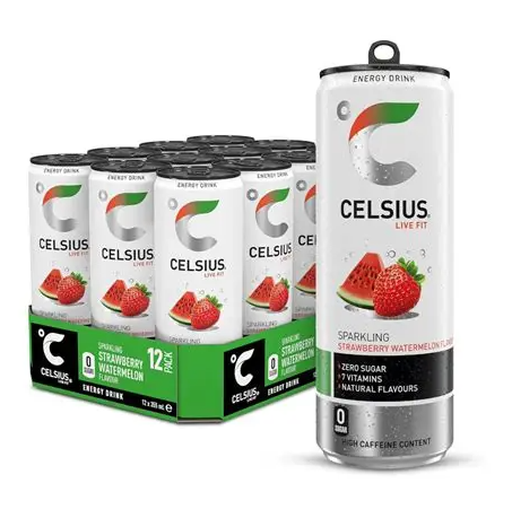
The 12 individual 355 ml cans may suit a group packing separate drinks. Check the sugar and full-can caffeine declarations on this flavour before deciding how it fits into your day.
 No image available
For a smaller individual can, Red Bull states that Sugarfree contains 80 mg caffeine per 250 ml can. This four-can pack still calls for counting caffeine from any other drinks or foods consumed that day.
 No image available
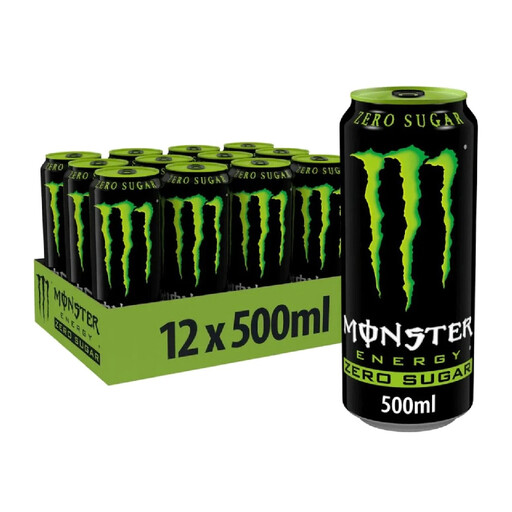
The 12-can format offers individually sealed drinks for a group. Check the caffeine amount on this Green Zero Sugar variant rather than using a figure from another Monster product.
 No image available
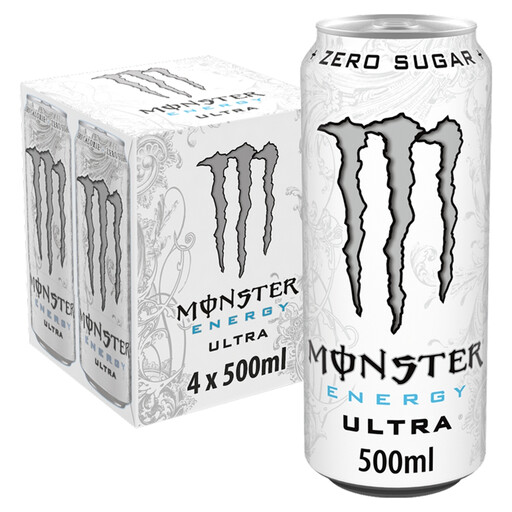
This four-pack provides individual 500 ml cans for campers who prefer that format. Check the caffeine amount for the full Ultra Zero Sugar can when planning how much you will drink.
No. Zero sugar describes sugar content, not caffeine content. Red Bull states that Sugarfree contains 80 mg caffeine per 250 ml can; read both declarations on the exact drink you are packing.
Add caffeine from the energy drink to what you consume in other drinks and foods. The European Food Safety Authority's 2015 assessment says up to 400 mg per day from all sources does not raise safety concerns for the general healthy adult population; this is not an amount to aim for.
NHS guidance says not to have more than 200 mg caffeine a day during pregnancy. Count the energy drink alongside coffee, tea, cola and other caffeine sources; if you want to avoid caffeine, choose a drink explicitly labelled caffeine-free.
Check both the retailer and the festival location. Sainsbury's says it does not sell high-caffeine energy drinks to under-16s. The Department of Health and Social Care announced an intended ban on such sales in England from April 2027, subject to Parliamentary approval; that announcement does not establish an identical rule across the UK.
It can be if you can follow its storage instructions after opening. Check the number of servings and whether the exact bottle needs refrigeration; otherwise, sealed individual drinks may be easier to manage at camp.