Salt-conscious meal planners
If you are feeding a group, compare salt per 100g as well as the amount in the portion you plan to serve. The sauce and other additions count towards the finished meal, not just the pasta.


For a festival meal, choose plain pasta if you want to decide how much sauce and seasoning to add; consider a reduced-salt tin if quick heating matters more and its portion and current availability suit your plans. Jarred sauce can simplify serving a group, but compare its salt per 100g and the amount you will use rather than treating “lighter” or low-fat wording as a salt claim.
If you are feeding a group, compare salt per 100g as well as the amount in the portion you plan to serve. The sauce and other additions count towards the finished meal, not just the pasta.
A tin or microwaveable pouch may suit limited cooking time. Check how it must be heated, its allergens and any storage instructions for food left after opening.
Plain pasta lets you portion the pasta and sauce separately for different preferences. Plan for cooking equipment and check the salt in each topping or sauce you add.
Decide whether control over seasoning, serving a group or speed is the main constraint. Then compare labels for the complete meal you intend to make.
Consider it when: You need a ready-to-heat portion and its salt declaration fits the meal you have planned.
Trade-off: Pasta and sauce come together, leaving less room to change the ingredients or seasoning.
Consider it when: You want to scale portions and choose how much sauce or seasoning to add.
Trade-off: You need to cook the pasta and account for the salt in everything served with it.
Consider it when: You want a prepared sauce that can be portioned alongside dried or microwaveable pasta.
Trade-off: Salt, allergens and instructions for opened jars differ by product.
| Concern | What to check | Who this matters to |
|---|---|---|
| Salt in the whole meal | Compare salt per 100g, then check the planned portion and any sauce or toppings. | I want to choose the pasta meal without overlooking salt added by its sauce or toppings. About 33% of consumers put salt control first. |
| Serving a group | Check pack size, stated portions and the cooking facilities needed for the number you are feeding. | When several people need a meal, I need portions I can plan without relying on a single ready meal. Serving capacity is the primary concern for about 27% of consumers. |
| Preparation time | Check the heating method and instructions, plus whether the meal needs separate ingredients. | With limited time or equipment, I need food I can heat and serve promptly, even if the recipe is less flexible. About 20% of consumers prioritise quick serving. |
| Ingredients and leftovers | Read allergen information and instructions for refrigerating and using an opened pack. | If I am serving people with different ingredient needs, I need to know what is suitable and what can be kept after opening. Ingredient and storage checks come first for about 20% of consumers. |
A comparative claim does not tell you the salt in the portion you will eat. UK legislation on comparative nutrition claims requires comparison with foods in the same category.
Compare the declared salt per 100g among similar products, then check the amount in your intended serving.
Sainsbury's lists 0.64g salt per 100g for its Lighter Tomato & Herb Bolognese sauce; Tesco Groceries lists 0.67g per 100g for Dolmio Low Fat Bolognese sauce. Their fat-related descriptions do not replace a salt comparison.
Check fat, sugar and salt separately on the products you are considering.
Tesco Groceries marked its reduced-sugar-and-salt spaghetti letters unavailable when the listing was checked.
Confirm local stock before making that specific product essential to your festival meal.
Marks & Spencer's Tomato and Basil Pasta Sauce carries milk and egg allergy warnings despite its vegan and vegetarian labelling. Storage instructions also differ between the checked sauces.
Read the purchased jar's allergen and refrigeration instructions, and choose a size you can use within its stated period after opening.
An opened jar that cannot be used within its labelled storage period may leave food to discard.
Own-label tinned pasta provides a ready-to-heat route alongside separate pasta and sauce choices.
Jarred sauce and a microwaveable cooked-pasta pouch offer different ways to assemble a quick meal.
Own-label jarred tomato-and-herb sauce is an option to portion alongside pasta.
Tomato-and-basil sauce is another jarred option for a pasta meal.
Dry pasta and tomato-based sauces offer a route for cooking and saucing portions separately.
This plain lasagne option suits a meal where you plan to choose and portion the sauce separately. Check the finished meal's salt and the cooking arrangements before deciding on it for a festival.
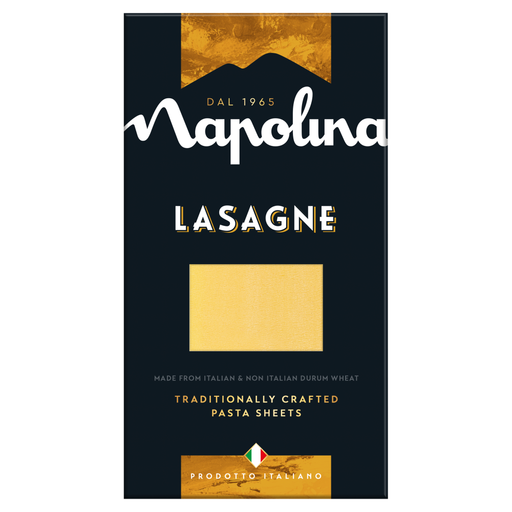 Image unavailable
Consider plain lasagne when you want to choose the sauce and its portion separately. It needs preparation rather than simply heating a ready meal; check that you have suitable cooking facilities, and read the labels of the sauce and other additions when assessing salt in the finished dish. If wheat or gluten is a concern, check the pack's ingredient and allergen information.
Compare salt per 100g across similar sauces, then check how much sauce you will serve. NHS guidance recommends checking food labels and choosing reduced-salt sauces where available; it also suggests herbs, spices, garlic, chilli or lemon for flavour instead of adding salt.
No: those descriptions do not tell you its salt content. Sainsbury's lists 0.64g salt per 100g for its Lighter Tomato & Herb Bolognese sauce, while Tesco Groceries lists 0.67g per 100g for Dolmio Low Fat Bolognese sauce. Compare the salt declarations for the exact products you might serve.
Follow the instructions on the exact jar you buy. The checked Sainsbury's sauce says to refrigerate after opening and use within seven days; the checked Marks & Spencer sauce says to refrigerate and use within three days. Neither period applies to every pasta sauce.