Campers avoiding mess
If washing-up space is limited, a portion labelled no-drain avoids tipping away packing liquid. John West describes its reviewed three-pack as ready to eat with a twist-and-pull opening.


Choose separate spring-water tins for several campers or meals, and a no-drain portion when avoiding spills and washing-up matters more. Check the drained weight, packing liquid, fish allergen, opening format and storage instructions on the exact pack. The reviewed tins require refrigeration after opening, so plan to finish each opened portion if you cannot keep leftovers chilled.
If washing-up space is limited, a portion labelled no-drain avoids tipping away packing liquid. John West describes its reviewed three-pack as ready to eat with a twist-and-pull opening.
Separate tins let a group open portions as meals are needed. Compare the tin count and drained weight, then plan whether each opened tin can be finished at that meal.
Check the exact tin for its packing liquid, salt figure, fish allergen declaration and any stated fishing-method or fishery claim. These details can differ between products and pack sizes.
For festival meals without reliable refrigeration, start with a portion you can finish once opened. Then use the pack label to settle the handling and ingredient questions that matter to you.
| Concern | What to check | Who this matters to |
|---|---|---|
| Mess and equipment | Look for no-drain wording, the opening method and a portion you can finish. | If draining tuna would leave me with a wet lid and nowhere convenient to wash up, I would choose a no-drain portion; about 31% of consumers put mess avoidance first. |
| Portions for several meals | Check the number of tins and each tin's drained weight, not just its headline weight. | When feeding several campers, I need enough separately sealed tins to open one meal at a time. For about 31% of consumers, portion planning is the primary concern. |
| Ingredients and nutrition | Read the packing liquid, fish allergen declaration and salt per 100g on the stated label basis. | If a meal calls for particular ingredients or I am comparing salt, I need the figures from the exact pack rather than another tin in the range; roughly 23% of consumers prioritise those label details. |
| Sourcing and specific guidance | Check fishing-method or fishery statements on the exact product. If pregnant or trying for a baby, account for tuna eaten throughout the week. | For some meals, I need a stated sourcing claim or must account for pregnancy-specific tuna guidance before packing more tins. That is the primary need for about 15% of consumers. |
The reviewed product instructions call for refrigeration after opening and use within one or two days, depending on the tin.
Without reliable refrigeration, pack portions you expect to finish at one meal. If you plan leftovers, follow the exact label's container and refrigeration instructions.
Planning leftovers may mean carrying a suitable container and reliable cold storage.
Tuna packed in liquid can have a lower drained weight than the weight shown prominently on the can.
Use the stated drained weight to work out how much tuna each opened tin provides for the planned meal.
The reviewed Sainsbury's, Asda and Tesco spring-water products list different salt values per 100g drained.
Compare the nutrition panel on the exact pack, using the same per-100g basis.
Reading Borough Council advises against buying damaged canned food.
Inspect tins before packing and avoid cans that are damaged.
Its reviewed No Drain Tuna Chunks in Spring Water MSC three-pack is aimed at eating without a draining step.
Its spring-water tuna chunks come in single tins and several multipack sizes, according to Princes.
The reviewed own-label spring-water products include a single tin and a four-pack.
Its reviewed spring-water four-pack carries product-specific fishing-method and fishery statements.
The reviewed own-label spring-water four-pack provides individually sealed tins for several planned meals.
Its reviewed 160g spring-water tin carries a product-specific sourcing statement.
These selections cover no-drain tuna portions and multipacks of spring-water or sunflower-oil tuna. Choose by the packing liquid, portion size and handling instructions that fit your festival meals.
 Image unavailable
For meals where draining is awkward, this no-drain pack provides three separate 100g tins. It contains fish; check the current pack's allergen and after-opening instructions.
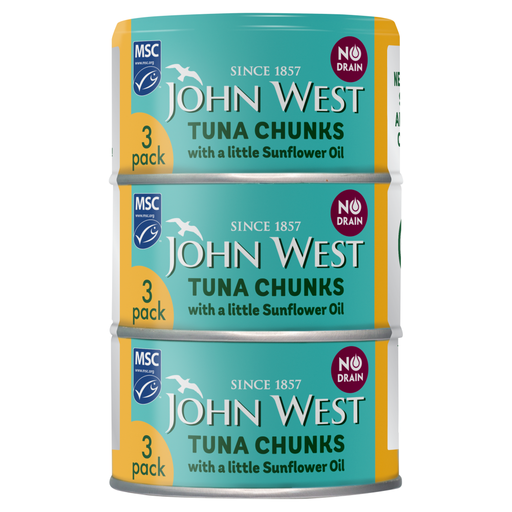 Image unavailable
For a no-drain portion packed in sunflower oil, this pack has three separate 100g tins. Check the fish allergen information; refrigerate any leftovers and use them within two days, as directed for this product.
 Image unavailable
Six separate tins suit meals planned across a group or several days. Store unopened tins in a cool, dry place; transfer leftovers to a non-metallic container, refrigerate and use within two days. Contains fish.
 Image unavailable
Four separate tins allow portions to be opened for different meals. If avoiding draining is important, check this exact pack for no-drain wording before choosing it. Contains fish; refrigerate leftovers as directed on the pack.
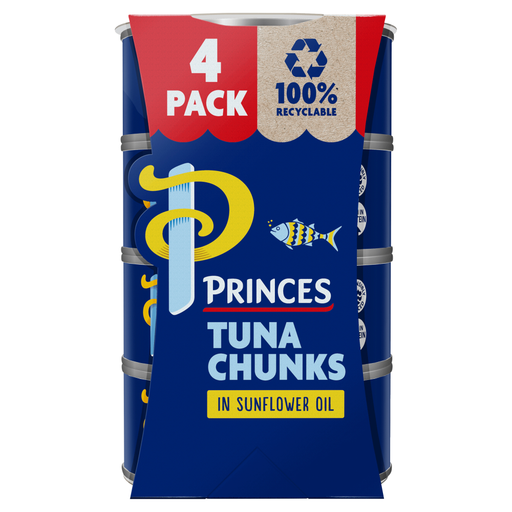 Image unavailable
For meals planned around tuna packed in sunflower oil, this pack contains four separate 145g tins. It contains fish; transfer unused contents to a sealed container, refrigerate and use within two days after opening.
Follow the exact can's storage instructions and keep tins in the cool, dry conditions specified for the reviewed products. Inspect them before packing: Reading Borough Council advises against buying damaged cans.
Only if you can follow that product's refrigeration instructions. The reviewed tins direct users to refrigerate leftovers and use them within one or two days, depending on the label. Without reliable refrigeration, plan to finish the opened tin.
Fish is identified in the reviewed products' ingredient or allergen information. If you are buying for someone with a fish allergy, check the current physical label and do not serve them these tuna products.
The Food Standards Agency cites guidance of no more than four cans of tuna or two tuna steaks a week for these groups. Count tuna eaten throughout the week, including festival meals, rather than treating each day's tins separately.