
24/7 Customer Support

Free returns

Same-day & Next-day Delivery

Quality Guaranteed

Unlock Your Welcome Offers: FREE Delivery | Up to 80% OFF | Free 30-day JoyPlus trial
Download the APP
Increasing fibre intake can be difficult when meals are rushed, your diet is low-carbohydrate or gluten-free, or you simply do not enjoy preparing high-fibre foods. Fibre supplements offer a convenient alternative, but the product format and ingredient list matter more than attractive packaging.
Before buying, look beyond phrases such as “detox”, “gut reset” or “metabolism support”. These descriptions may sound appealing but do not tell you how much fibre a serving provides, which type it contains, or whether it suits your routine.
A large tub does not necessarily provide a large amount of usable fibre. Check the nutrition panel for dietary fibre per serving, not just the total product weight. A greens powder, for example, may contain many plant ingredients but provide less fibre per serving than a dedicated inulin or psyllium product.
Prebiotic fibre, including inulin fibre, is fermented by gut bacteria. Some people may experience temporary wind or bloating when they increase intake quickly. Psyllium husk absorbs water and forms a bulkier mixture, so it requires adequate fluid.
Starting with the full suggested amount may be uncomfortable. A gradual introduction is generally more practical, provided you follow the product label.
A gummy may be easier to take, while a powder can provide a larger amount of fibre without swallowing several capsules. However, gummies may contain a relatively modest serving, and capsules need to be taken with plenty of water. Choose the format you are most likely to use consistently.
Soluble and insoluble fibre perform different roles in the diet. Soluble fibres, such as psyllium and inulin, absorb water or ferment in the large intestine. Insoluble fibres add bulk to food and are less readily fermented.
A mixed formula may suit shoppers looking for variety. A single-ingredient product can be preferable if you want to track your intake or avoid unnecessary additives.
Compare the actual amount in milligrams or grams. For example, Nutrigums Happy Fibre Inulin Gummies provide 3.8g of inulin per two-gummy serving, while Solgar Psyllium Husks Fibre provides 1g of dietary fibre per two capsules according to the supplied product information.
These amounts are not directly “better” or “worse”; they simply suit different usage preferences. A lower amount may be useful for gradual introduction, while shoppers seeking a higher intake may prefer a powder or a larger serving size.
Look for clear information on:
Food supplements should complement a varied diet rather than replace fruit, vegetables, pulses, wholegrains and nuts. If you are pregnant, breastfeeding, under medical supervision, taking prescribed medicines or have a persistent digestive problem, seek advice from a healthcare professional before use.
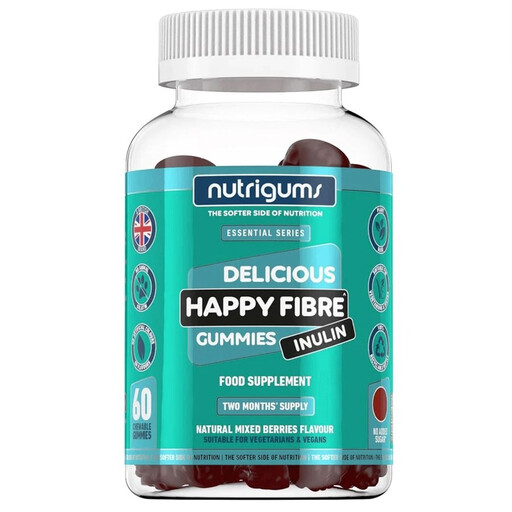
Why This Fits Their Persona: Two chewable gummies provide a straightforward daily routine for adults who find powders inconvenient or capsules difficult to swallow.
The label states 3.8g of inulin per two-gummy serving, making the fibre amount easier to compare with other products.
Vegan and gluten-free; 60 gummies provide 30 listed servings.
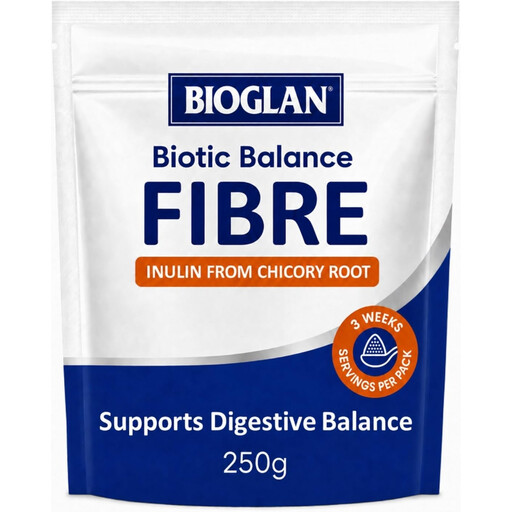
Why This Fits Their Persona: The single-ingredient powder suits adults who want a simple prebiotic fibre supplement that can be measured and mixed into everyday foods.
Its ingredient list identifies native chicory root inulin without a long blend that makes fibre quantities difficult to assess.
250g powder format; suitable for vegan and gluten-free diets according to the supplied details.
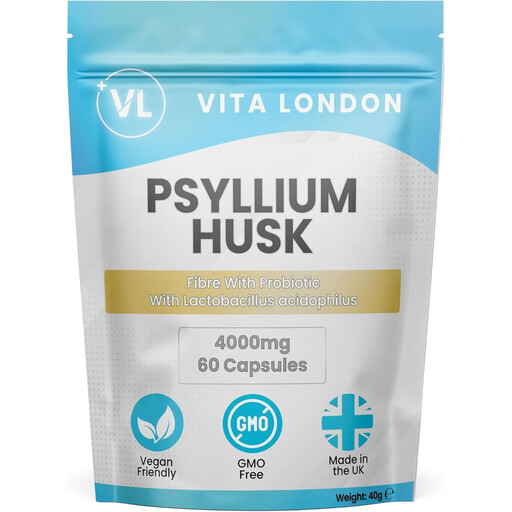
Why This Fits Their Persona: Adults following low-carbohydrate diets may prefer a capsule format, while the combined fibre and probiotic formula provides two clearly listed components.
The listing specifies 4,000mg psyllium husk extract and 200 million CFU Lactobacillus acidophilus per two-capsule serving.
Vegan capsules; resealable pouch and 60-capsule, 30-day stated supply.
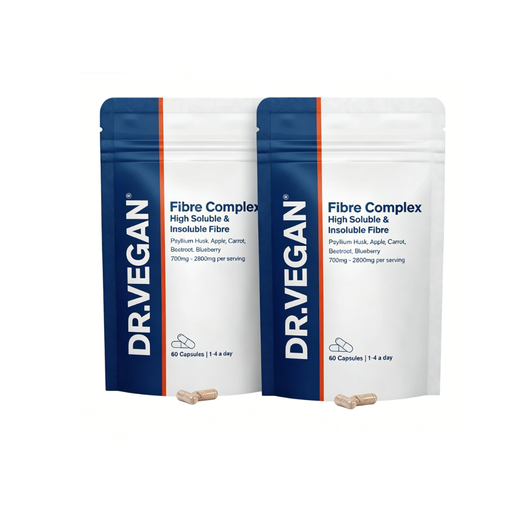
Why This Fits Their Persona: This option is suited to adults who want several fibre sources and the choice of swallowing capsules or opening them into food and drinks.
The formula lists psyllium husk alongside apple, carrot, beetroot and blueberry fibre, rather than relying on an unspecified blend.
Free from gluten, wheat, soya, lactose and dairy; dosage can be adjusted from one to four capsules as directed.
We have compiled a complete, real-time list of products that fully satisfy these strict selection criteria and UK safety regulations.
Introduce a new daily fibre supplement gradually and follow the stated serving. Drink enough fluid, particularly with psyllium husk capsules or other bulk-forming products. Do not exceed the recommended dose, and avoid taking several high-fibre products together without checking the labels.
A supplement may support dietary intake, but persistent constipation, unexplained changes in bowel habits, severe pain, vomiting or blood in the stool requires medical advice rather than self-treatment.
Shelf life varies by product and is shown on the packaging. Once opened, powders should be resealed and stored in a cool, dry place. A 60-gummy or 60-capsule pack may provide 30 servings, depending on the serving instructions.
There is no universal timing requirement. Choose a time that fits your routine and follow the product directions. Psyllium products should be taken with plenty of water, while powders such as inulin can be mixed into a drink or soft food.
No. They can help fill a dietary gap, but a varied diet remains important. Aim to include vegetables, fruit, beans, lentils and wholegrain foods, and select a supplement based on your actual intake, preferred format and tolerance.