Tournament entrants checking compatibility
If you bring your own controller, the event’s platform, game and input rules matter as much as how it feels during bedroom practice. Evo’s published rules, for example, restrict hardware-assisted inputs.


Choose the input layout you can practise with consistently, then check that the exact controller works with your tournament’s game, platform and rules. A pad keeps familiar handheld controls, a traditional arcade stick offers a lever-based layout, and a leverless controller offers separate directional buttons in a compact format. None is automatically tournament-legal: configured functions and simultaneous-opposite-direction behaviour can affect whether you may use it.
If you bring your own controller, the event’s platform, game and input rules matter as much as how it feels during bedroom practice. Evo’s published rules, for example, restrict hardware-assisted inputs.
Storage and the journey to a local event may influence the format you choose. Razer describes the slim Kitsune and its detachable cable as easier to pack than a controller with a permanently attached cable.
The decision may come down to familiar pad controls, lever-based movement or all-button directional inputs. Choose the layout you can practise consistently rather than assuming one format will suit every player.
For a controller used both in a bedroom and at tournaments, establish the event’s game, platform and rules before settling on a layout. Each format then brings a different adjustment or space trade-off.
Consider it: If you want separate movement buttons and a slim format for a desk or bag.
Allow for: Time to adapt from a pad or lever, and an event-specific check of the selected directional-input mode.
Consider it: If you prefer lever-based movement and an arcade-style hand position.
Allow for: A larger enclosure; also check whether the exact game needs controls your chosen stick lacks.
Consider it: If you already play confidently with handheld controls and want a compact format.
Allow for: A check of any remapping or programmed functions against the organiser’s rules.
| Concern | What to check | Who this matters to |
|---|---|---|
| Event compatibility | Match the exact game and platform; read the organiser’s current input rules, including any rules on programmed functions or opposite directions. | I need the controller I practise with to be usable at the event, without changing my setup at the station. Roughly 36% of consumers put event compatibility first. |
| Input layout | Try the game’s relevant movements on a pad, lever or directional buttons, and allow for time to adapt. | If repeated directional inputs feel awkward, I would rather choose a layout I can practise consistently. Around 29% of consumers make input feel their primary concern. |
| Space and travel | Measure your desk and storage area; check enclosure size and how the cable packs. | I need to put the controller away between bedroom sessions and carry it to an event without awkward bulk. For about 21% of consumers, space and travel come first. |
| Comfort and upkeep | Consider hand position and check which parts or profiles you would actually use and maintain. | During repeated practice sessions, I care most about a comfortable position and a setup I can keep in working order. That is the leading need for roughly 14% of consumers. |
Home compatibility does not establish event eligibility. Evo prohibits specified hardware-assisted inputs, while directional-input requirements can also depend on the competition.
Read the current rules for your organiser and test the controller on the event’s game and platform with the settings you intend to use.
Console support does not guarantee that every game function is available. Nacon says some games requiring two joysticks are incompatible with its Daija arcade stick.
Check the exact game’s control requirements and the stick’s support information, including any need for analogue inputs or menu navigation.
A larger enclosure and its cable need room during practice and somewhere to go afterwards. A slimmer format may pack more easily, but changes the input feel.
Measure your desk, lap and storage space, then check the controller’s dimensions and cable arrangement before choosing a format.
Profiles, remapping and replaceable parts offer ways to adjust a controller; they do not establish better execution or permission to use every setting in a tournament.
Choose adjustments that address a specific layout or maintenance need, and test an event-appropriate configuration before travel.
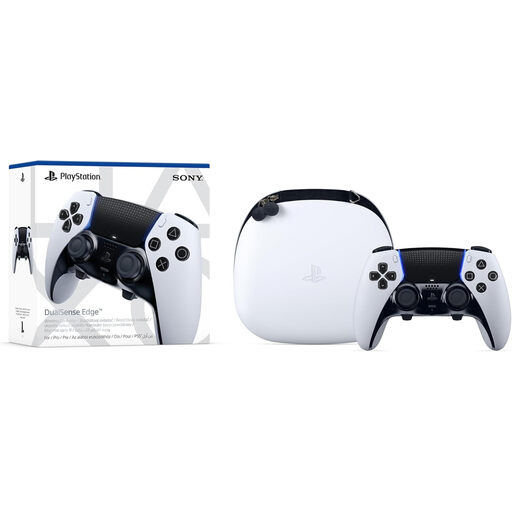
PlayStation says replacement stick modules for DualSense Edge are sold separately.
The Kitsune is a leverless option for PS5 and PC players considering an all-button layout for practice and travel.
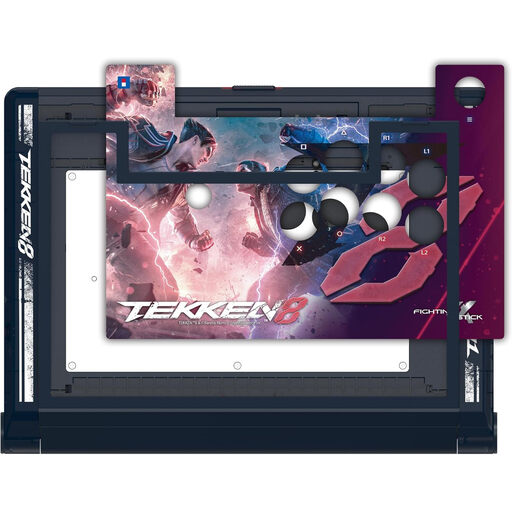
The Daija offers a full-size, lever-based route specified by Nacon for PS5, PS4 and PC.
DualSense Edge is a PS5 gamepad option for players who want familiar handheld controls with adjustable settings.
These choices cover a traditional arcade stick and several handheld controller formats for fighting-game practice. Match the controller to your preferred inputs, then check the exact game, event platform and organiser’s rules.
 No image available
Consider this lever-based format if arcade-style movement is the layout you want to practise. Check its fit in your bedroom and confirm your event’s game, platform and controller rules.
 No image available
For players who prefer a handheld pad, DualSense Edge offers the adjustable controls and profiles described by PlayStation. Check whether your intended configuration is permitted at the event; replacement stick modules are sold separately.
 No image available
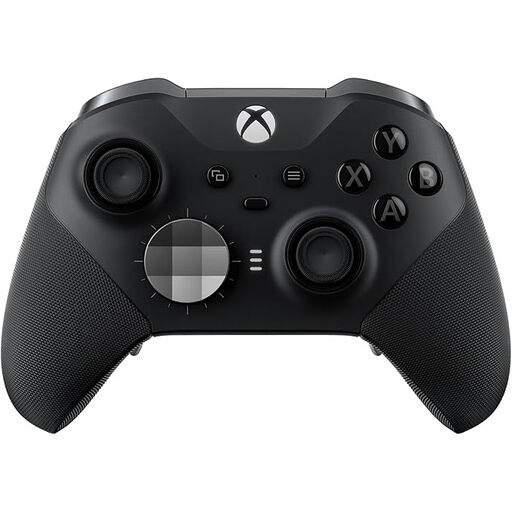
Consider this handheld format if you prefer a pad and your intended game and event use a compatible platform. Check the organiser’s rules for the settings you plan to use.
 No image available
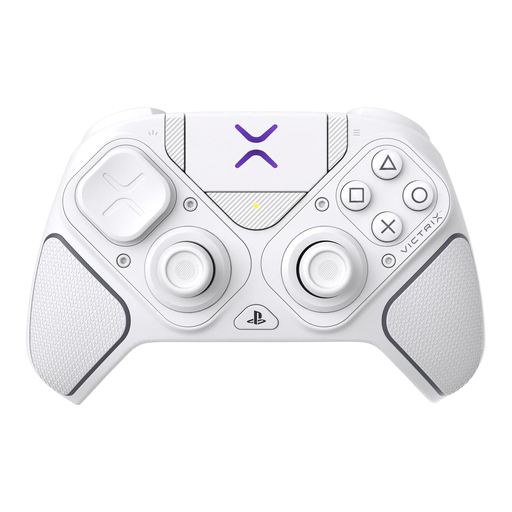
Its modular handheld format is worth considering if you want to change your control layout. Before buying for an event, confirm the connection options for this variant and check your final configuration against the organiser’s rules.
 No image available
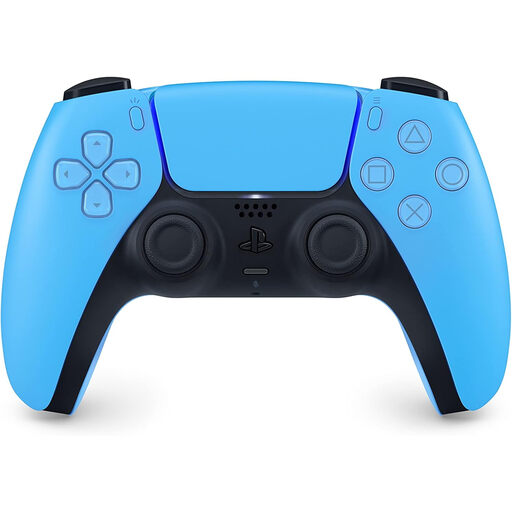
A conventional handheld option if that is the format you already use for practice. Confirm support for your exact game and tournament platform, as well as any event requirements for connecting the controller.
No controller type is automatically accepted at every event. Evo’s published rules prohibit hardware-programmed input entry, rapid-fire, modifiers, macros and other hardware-assisted mechanisms; check your organiser’s current rules, game and platform before travelling.
A leverless layout is not expressly prohibited by the cited Capcom Pro Tour rules, but its configured inputs must satisfy the applicable event rules. Check the controller’s selected simultaneous-opposite-direction mode against the organiser’s current requirements rather than relying on the layout name alone.
A PS5 compatibility label alone cannot settle every game’s control requirements. Nacon says its Daija lacks analogue sticks and that some games requiring two joysticks are incompatible, so check the exact game and any controls needed beyond the main match inputs.
For qualifying online purchases, Coventry City Council Trading Standards describes a general right to cancel within 14 days after receiving the goods, with exceptions. Check the applicable cancellation conditions and the retailer’s return instructions; a change-of-mind cancellation is distinct from remedies for faulty, damaged or misdescribed goods.