
24/7 Customer Support

Free returns

Same-day & Next-day Delivery

Quality Guaranteed

Unlock Your Welcome Offers: FREE Delivery | Up to 80% OFF | Free 30-day JoyPlus trial
Download the APP
A balsamic glaze can add sweetness, acidity and a polished finish to everyday dishes, but not every bottle works in the same way. Some products labelled as balsamic dressing are thin vinegars, while others are thick, sweet sauces designed mainly for drizzling. Choosing the wrong type can leave salads watery, pizza overly sweet or grilled meats lacking balance.
This guide explains what to check before buying Filippo Berio Classic Balsamic Glaze 250ml, how it compares with traditional balsamic vinegar and which alternatives may suit different UK kitchens.
A traditional balsamic vinegar is generally pourable and suitable for marinades, dressings and cooking. A glaze is reduced or thickened, giving it a syrup-like consistency. It is usually intended as a finishing condiment rather than a direct replacement for vinegar in every recipe.
For example, balsamic glaze for salads adds a concentrated sweet-tart coating, whereas a lighter balsamic dressing may be more suitable for mixing with olive oil.
The sweet, glossy texture of a glaze often comes from grape must, sugar or syrup. Filippo Berio Classic Balsamic Glaze contains 45g of carbohydrate and 45g of sugars per 100ml. A stated 10ml serving contains 19 kcal and 4.5g of sugars.
That does not make it unsuitable for occasional use, but it is worth considering if you prefer a sharper, less sweet condiment or plan to use generous quantities.
The storage instructions matter. This product should be kept in a cool, dry place before opening. After opening, refrigerate it and consume it before the best-before date shown on the packaging. Leaving it beside a cooker or in direct sunlight may affect its quality over time.
The product description presents Filippo Berio Classic Balsamic Glaze as a thick syrup with a subtle, slightly tart flavour. This consistency is useful when you want a visible drizzle that stays on food instead of running across the plate.
It can be used as:
Use a small amount first, particularly on delicate foods. The combination of sweetness and acidity can become dominant if poured too heavily.
The listed ingredients include “Aceto Balsamico di Modena IGP” at 60%, made from wine vinegar, concentrated grape must and colouring agent E150d. The recipe also contains sugar, glucose syrup, grape must, modified corn starch and xanthan gum.
The stated allergen is sulphites, also described as sulphur dioxide/sulphonic acid salts. Anyone managing an allergy or intolerance should read the current packaging before purchase, since recipes and labelling can change.
The pack contains approximately 25 servings of 10ml. Per 10ml serving, the listed values are:
For a sweet balsamic glaze, measuring a drizzle with a teaspoon can make it easier to control the amount used in salads, desserts and appetisers.
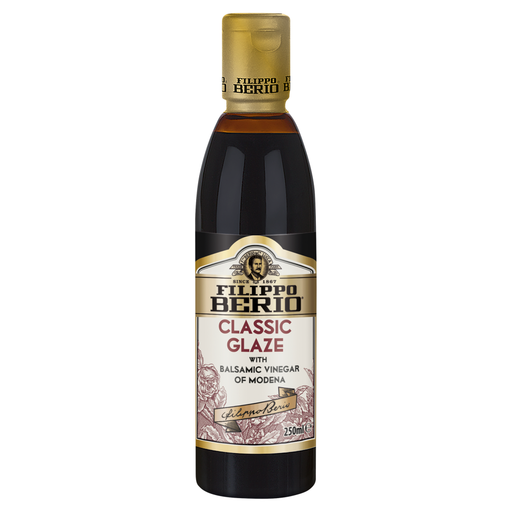
Why This Fits Their Persona: A practical choice for UK cooks who want a ready-to-use Italian balsamic glaze for several meals without preparing a reduction.
Its clearly stated 250ml size and 10ml serving guidance help buyers judge quantity and sugar intake before ordering.
Thick syrup texture; suitable for grilled meats, sandwiches, pizza, fruit and ice cream.
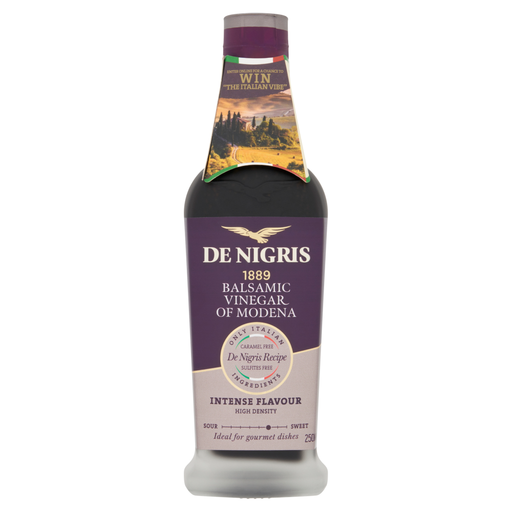
Why This Fits Their Persona: Suits cooks who prefer a pourable balsamic condiment for salads, marinades and sauces as well as finishing dishes.
Its ingredient list is centred on cooked grape must and wine vinegar, making the format different from a thick, sweetened glaze.
Contains cooked grape must and wine vinegar; listed as suitable for salads, meats, marinades and sauces.
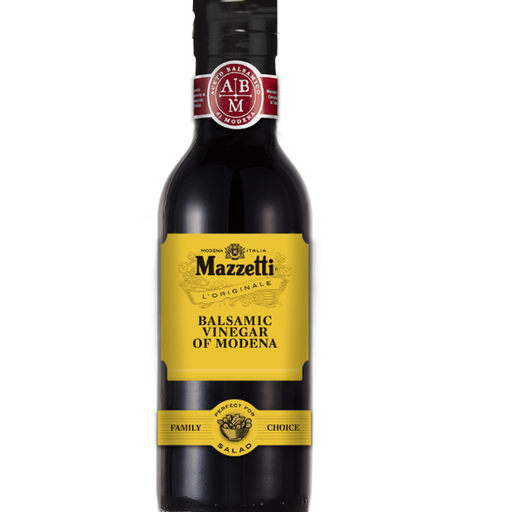
Why This Fits Their Persona: Useful for households that regularly prepare salads, vegetables, marinades and meat dishes and want a versatile vinegar rather than a dessert-style drizzle.
The bottle format is designed for repeated culinary use, helping avoid buying a thick glaze when a thinner vinegar is required.
Made with wine vinegar and concentrated grape must; suitable for drizzling, marinades and sauces.
We have compiled a complete, real-time list of products that fully satisfy these strict selection criteria and UK safety regulations.
For a simple starter, drizzle it over tomatoes and soft cheese just before serving. It can also add contrast to roasted peppers, grilled courgettes and warm grain salads.
For balsamic glaze for pizza, apply a light zig-zag after baking rather than before. This helps preserve its finishing texture and avoids excessive caramelisation in a hot oven. With grilled meats, use it at the table or during the final moments of cooking.
The sweet profile also works with strawberries, pears, vanilla ice cream and selected soft cheeses. Keep the portion modest so the glaze complements rather than masks the main ingredient.
No. The glaze is thicker and sweeter, with sugar, glucose syrup and thickeners listed among its ingredients. Balsamic vinegar is generally thinner and more suitable for dressings, marinades and cooking.
Store it in the refrigerator after opening and use it before the best-before date on the packaging. Before opening, keep it in a cool, dry place.
The product information states that it contains sulphites. Always check the physical label before use, particularly if you have an allergy or food intolerance.