Choose over-ear noise-cancelling headphones if you listen to film soundtracks while sitting up or reclining and will take them off before sleeping; the cited models offer noise controls and, in some cases, adjustable sound. If you want to keep listening while lying on your side, consider low-profile sleep earbuds instead, but check their fit and do not assume they will present a soundtrack like full-size headphones. Keep the volume and listening time in check with either type.
Who is each type for?
Soundtrack listener winding down before bed
You want to adjust the sound and manage background noise during a listening session, then remove your headphones before sleeping. Over-ear models from Sony, Bose and Sennheiser offer relevant controls, though comfort is personal.
Side sleeper who listens in bed
You expect to keep listening while lying on a pillow, so a low-profile fit matters more than an over-ear headband. Soundcore positions its sleep earbuds for this use; check how the particular model and tips fit you.
Listener dealing with night-time noise
You want to hear quieter passages without turning up the volume to overcome household noise or snoring. Noise controls may help you listen more quietly, but they do not remove the need to limit sound level and duration, as the World Health Organization and Royal Free London NHS Foundation Trust advise.
What matters when choosing?
Decide whether the headphones come off before you lie on your side. That choice changes which fit is worth examining; sound controls and quieter listening matter with either type.
Over-ear noise-cancelling headphones
Choose when: You listen before sleep while sitting up or reclining and intend to remove the headphones before lying down.
Bear in mind: A headband and full-size earcups are not designed specifically for side-sleeping.
Sleep-focused earbuds
Choose when: You want to continue listening on your side and need to assess a low-profile in-ear fit.
Bear in mind: A sleep-focused design does not establish how its soundtrack presentation compares with an over-ear model.
| Concern |
What to check |
Who this matters to |
| Soundtrack detail |
Look for sound-adjustment controls you would use, and confirm that any advertised audio mode works with your playback device. |
If I listen closely to orchestral passages, I want to adjust the balance rather than rely on a cinema-mode claim. Around 42% of consumers put soundtrack presentation first. |
| Comfort while lying down |
Check the earbud profile, available tip sizes and whether you can assess the fit before relying on it for side-sleeping. |
When I keep listening with my head on a pillow, pressure from the fit becomes my deciding concern; around 33% of consumers prioritise lying-down comfort. |
| Noise and volume |
Check whether the model offers the noise control you need, and compare battery claims in the mode you plan to use. |
In a noisy room, I want to hear quiet passages without compensating by turning up the sound. Managing disturbance and volume comes first for around 25% of consumers. |
Buying pitfalls
-
Choosing over-ears for listening on your side
An over-ear headband can suit a wind-down session, but that does not make it a side-sleeping design.
Decide when you will take the headphones off. If you will keep listening on a pillow, assess an earbud’s profile, tips and return conditions before choosing by audio features alone.
-
Turning up the volume because noise control is on
The World Health Organization links hearing risk to sound level and exposure duration. Royal Free London NHS Foundation Trust says noise-cancelling headphones can reduce the urge to turn up the volume in noise; they do not make loud listening risk-free.
Start at a low level and limit listening time rather than using ANC or masking as a reason to play sound louder.
-
Comparing battery figures without the listening mode
Manufacturer figures can change with features enabled. Bose lists up to 30 hours for QuietComfort Ultra Headphones (2nd Gen), or up to 23 hours with Immersive Audio; Sony lists up to 30 hours for WH-1000XM5 with noise cancelling on.
Compare stated runtime for the modes you expect to use, rather than treating different headline figures as like-for-like results.
-
Assuming a listing settles product-safety questions
GOV.UK advises checking the seller, manufacturer details, instructions, warnings and appropriate product marking, particularly when buying from a seller outside the UK.
Check those details for the actual model and seller before ordering, along with any included charging accessories and the applicable return route.
Brands to consider
Sony
Sony’s WH-1000XM5 is an over-ear option for a pre-sleep session in which adjustable noise control matters.
- Sony lists Ambient Sound Mode and up to 30 hours of continuous music playback with noise cancelling on for WH-1000XM5.
- It is an over-ear headband model, not a side-sleep earbud.
Bose
Bose’s QuietComfort Ultra Headphones (2nd Gen) are relevant if you want to try the model’s cinema-oriented processing during a soundtrack session.
- Bose lists adjustable noise cancelling, Immersive Audio and Cinema Mode.
- Bose states up to 23 hours with Immersive Audio, compared with up to 30 hours without that mode; these are manufacturer runtime claims, not a sound-quality comparison.
Sennheiser
Sennheiser’s MOMENTUM 4 Wireless is an over-ear model to consider if you want app-based sound adjustment.
- Sennheiser lists EQ and personalisation controls, adaptive noise cancelling and up to 60 hours of playback.
- Its headband design is not a dedicated side-sleeping format; the stated runtime should be read under the manufacturer’s conditions.
soundcore
Soundcore’s Sleep A30 illustrates the sleep-earbud route for listeners who prioritise fit while lying on their side.
- Soundcore describes Sleep A30 as having a slimmer profile and soft silicone tips, and lists noise-control and masking features.
- Those are manufacturer descriptions of Sleep A30, not proof of individual comfort or equivalent soundtrack presentation to over-ear headphones.
Joybuy products for each listening position
These choices include over-ear headphones for a soundtrack session before sleep and one sleep-focused earbud model for listening while lying down. Compare the exact model’s fit, controls and playback-device compatibility against the way you plan to listen.
 No image available
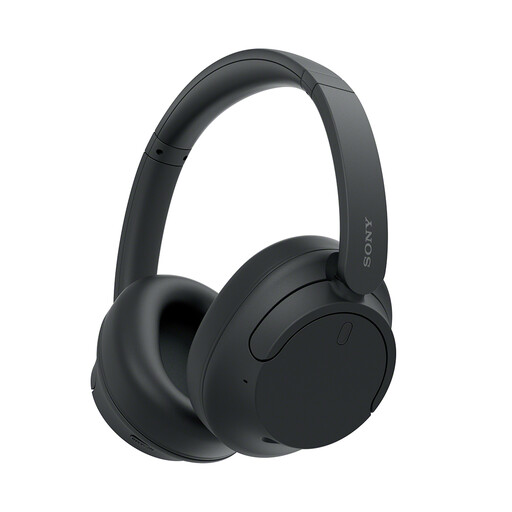
Sony WH-CH720N Noise-Cancelling Over-Ear Headphones (Black)
Consider this over-ear model for listening before bed when you want noise cancellation. Plan to remove the headband before sleeping on your side, and check the sound controls available with your playback device.
View on Joybuy
 No image available
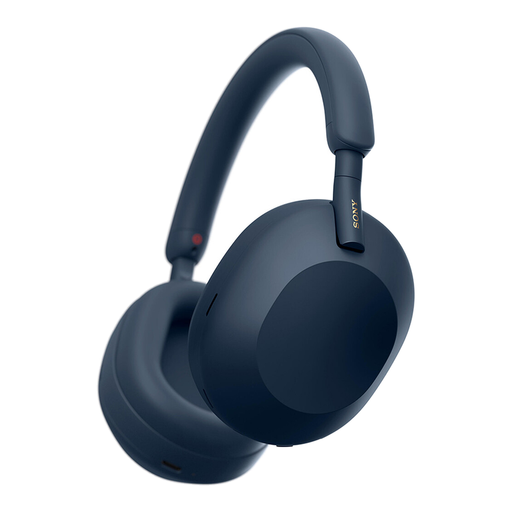
Sony WH-1000XM5 Noise-Cancelling Headphones (Blue)
This over-ear model suits a soundtrack session that ends before you lie on your side. Sony lists Ambient Sound Mode and up to 30 hours of continuous music playback with noise cancelling on for the WH-1000XM5.
View on Joybuy
 No image available
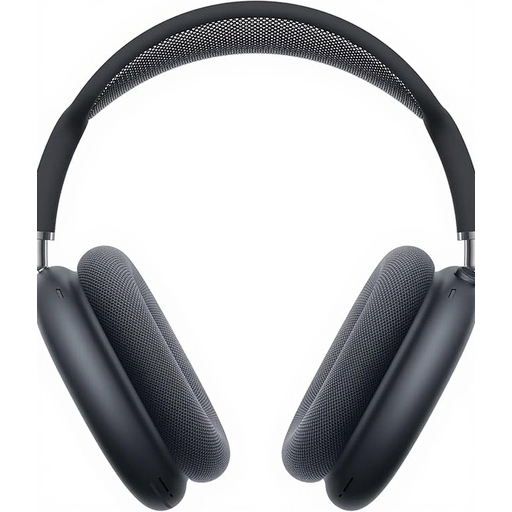
Apple AirPods Max (USB-C, Midnight)
Consider these over-ear headphones for a pre-sleep session if you use a compatible playback device. Check support for the audio features you want on your particular device and software before choosing them; they are not a side-sleeping design.
View on Joybuy
 No image available
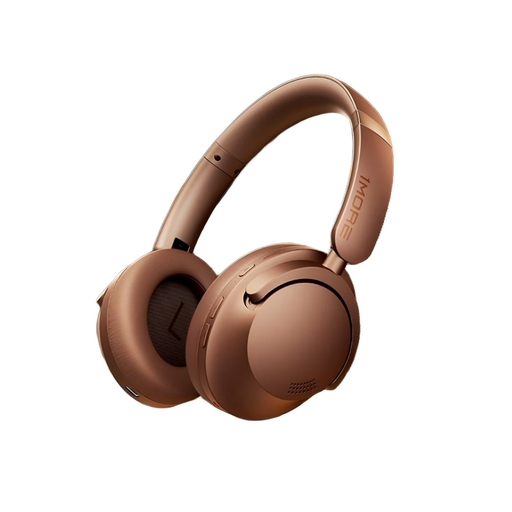
HQ51 SonoFlowPro (Mocha Brown)
Consider this model for an over-ear listening session before sleep rather than for wearing on a pillow. If battery life will decide the purchase, confirm the runtime for your intended listening mode, as the supplied descriptions give differing figures.
View on Joybuy
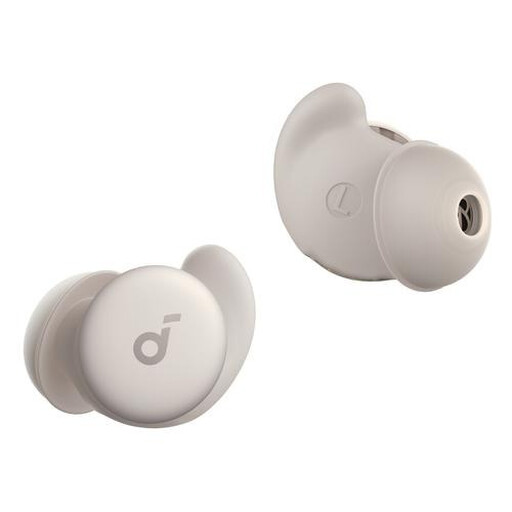 No image available
Soundcore Sleep A20 Wireless In-Ear Earbuds (White)
Consider these sleep-focused earbuds if you intend to keep listening while lying down. Check the fit for your sleeping position and confirm any noise-control or sound-adjustment features you need for soundtracks rather than assuming they are included.
View on Joybuy
Frequently asked questions
Should I choose over-ear headphones or sleep earbuds for film soundtracks?
Choose over-ear headphones if the listening session ends before you settle on your side; choose sleep-focused earbuds if you need to keep listening while lying down. Compare the fit and sound controls of the exact models you are considering rather than assuming either format will give you the same presentation.
Can I safely leave headphones playing all night?
Do not assume an all-night session is safe just because the volume seems comfortable. The World Health Organization says hearing risk rises with sound level and listening duration and advises keeping device volume no higher than 60% of maximum; Royal Free London NHS Foundation Trust advises taking regular breaks. If you notice persistent ringing or hearing difficulty, seek professional advice.
Does noise cancellation make louder listening safe?
No. Noise cancellation may reduce the urge to turn up the volume in a noisy room, as Royal Free London NHS Foundation Trust notes, but it does not remove the exposure risk associated with loud or prolonged listening. Use it to make quieter listening practical.
What should I check before buying wireless headphones online in the UK?
Check the actual seller, manufacturer details, instructions, warnings and appropriate product marking. GOV.UK recommends these checks for consumer products, with particular caution when the seller is outside the UK; also confirm the exact model and any charging accessories in the listing.


