Hosts making a shared brunch pot
You use a filter brewer or another batch method and want a bold-tasting coffee without guessing whether the grounds suit your equipment.


For a Sunday brunch filter brew, choose ground coffee labelled for your brewer, then pick the roast and flavour profile your guests are likely to enjoy. A dark roast can provide the bold profile you want, but an intensity label does not measure caffeine or guarantee how the pot will taste; the coffee-to-water ratio and brewing method also matter.
You use a filter brewer or another batch method and want a bold-tasting coffee without guessing whether the grounds suit your equipment.
You want to use roast and flavour descriptions to narrow the choice, while checking brewing directions rather than relying on a strength number alone.
You want a coffee with a pronounced flavour without treating its roast or intensity label as a measure of caffeine. A decaffeinated option may also be useful at the table.
Start with the pack’s brewing directions, then choose a flavour profile and make measured adjustments to the pot.
| Priority | What to check | Your needs |
|---|---|---|
| Brewer suitability | Look for directions naming your brewing method. A ground-coffee name such as “espresso” or “Italian” does not, by itself, confirm suitability for a filter machine. | I’m making a shared pot, so I want grounds intended for the brewer I’ll use. |
| Roast and flavour | Compare the stated roast and tasting notes. Lavazza describes intensity as a guide to aroma and body, not a measure to use on its own. | A pronounced aroma and body matter to me, but I still want a flavour the table will enjoy. |
| Brewing the pot | Begin with the brewer’s directions and change the coffee-to-water ratio in measured steps. The Specialty Coffee Association explains that brew ratio affects dissolved-coffee strength, while extraction affects flavour. | If the first pot tastes weak or bitter, I’d rather adjust the brew than assume the coffee itself is the problem. |
| Caffeine | Check producer information when caffeine content matters; neither a dark roast nor a high intensity label quantifies it. NHS guidance sets a limit of no more than 200 mg of caffeine a day during pregnancy. | Some guests may want to limit caffeine, so I won’t use a strong-sounding name to judge what is in their cup. |
Lavazza describes intensity in terms of sensory qualities such as aroma and body. It does not tell you how much caffeine a serving contains, which matters when guests are limiting their intake.
Use roast and intensity to consider flavour, and check producer caffeine information where needed. NHS guidance sets a limit of no more than 200 mg of caffeine a day during pregnancy.
Retailer listings may identify a coffee as ground without giving directions for the brewer you own. A roast name cannot settle that question.
Check the pack or manufacturer’s preparation directions before buying it for a filter brew. Lavazza explicitly lists filter preparation for Qualità Oro Dark Roast.
A larger pack leaves more coffee to use if the roast does not suit the brunch table. Tesco lists ground-coffee examples in both 200g and 454g formats.
Check brewer suitability first, then consider a smaller pack when the flavour profile is new to you.
These ranges offer different starting points, but the brewing directions still need checking on the individual product.
A reference for shoppers seeking a dark-roast ground coffee explicitly labelled for filter preparation.
A supermarket-ground-coffee range that includes differently named roasts for comparing flavour descriptions.
An own-label option to consider if a larger ground-coffee pack suits the planned brunch service.
An own-label range for comparing roast descriptions and labelled strength.
A range that includes ground coffee alongside other formats, so the pack type matters.
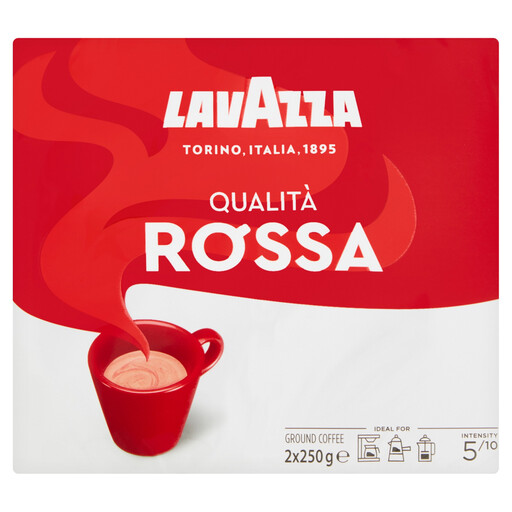
This ground-coffee option is relevant to a shared brunch pot. Check the pack’s directions for your particular filter brewer before use.
 No image available
The 500g ground-coffee pack is an option when making coffee for a brunch group. Check its preparation directions against your filter brewer; the flavour of the finished pot depends on how it is brewed.
Check that the ground coffee is labelled for your brewer, then compare its roast and flavour description. Lavazza UK, for example, lists Qualità Oro Dark Roast for filter preparation; a name such as “Italian” or “espresso” alone does not confirm that another coffee suits your machine.
No: an intensity number is not a caffeine measurement. Lavazza describes intensity as a sensory guide involving aroma and body, so check producer caffeine information if the amount matters.
Start with the brewer’s directions and change the coffee dose or water amount in measured steps. The Specialty Coffee Association links brew ratio to dissolved-coffee strength and notes that extraction affects flavour; simply extending brewing time can bring out more bitterness.
NHS guidance says pregnant people should have no more than 200 mg of caffeine a day, counting caffeine from food and drink. A coffee’s intensity label will not show its caffeine amount; a decaffeinated option gives guests another choice.
Check the current pack label as well, particularly its format and brewing directions. M&S advises shoppers to read the product label because online product information can change.