After-dinner coffee drinkers
If you want an unhurried cup after a comfort dinner, stated chocolate, nutty, sweet or gently fruity notes give you a more useful starting point than the occasion on the pack.


For a gentle cup after dinner, start with a blend described as smooth, sweet or nutty, then check that the ground coffee suits your brewer. A floral blend offers a different flavour direction, while a darker profile or bulk format makes more sense when that preference or brewing routine matters more than a gentle, occasional cup.
If you want an unhurried cup after a comfort dinner, stated chocolate, nutty, sweet or gently fruity notes give you a more useful starting point than the occasion on the pack.
Check the preparation guidance for the exact coffee. A flavour that appeals to you does not, by itself, establish suitability for your brewer.
If you want to reduce caffeine later in the day, look for a decaffeinated option rather than judging caffeine content by roast or flavour wording.
Choose the flavour direction first, then check preparation method and pack format against how you actually make coffee after dinner.
| Priority | What to check | Your needs |
|---|---|---|
| Flavour | Read the stated tasting notes and roast description. Taylors of Harrogate describes Lazy Sunday as gentle with citrus and chocolate; Sainsbury's calls its House Blend smooth and nutty. | I would like a softer after-dinner cup, rather than choosing by an intensity number alone. |
| Brewer fit | Check the exact pack's preparation methods. Lavazza lists Espresso Italiano Classico for filter, moka and French press despite its espresso name. | My ground coffee needs to suit the filter machine, cafetière or other brewer I intend to use. |
| Pack format | Compare pack size with brewing frequency and follow the opened-pack storage directions. Douwe Egberts' professional Real Filter Coffee comes as six 1 kg bags. | An occasional dinner pot calls for a different quantity from regular coffee for a group. |
| Evening caffeine | Check whether the coffee is decaffeinated if reducing caffeine matters to you; flavour and roast wording do not give a caffeine figure per cup. | For a later cup, I may want a decaf blend while considering caffeine from other drinks and foods. |
A name alone can cause you to overlook a coffee that suits your equipment.
Check the exact preparation guidance: Lavazza lists Espresso Italiano Classico for filter, moka and French press. That does not establish the same suitability for every espresso-labelled coffee.
Douwe Egberts Real Filter Coffee is supplied as six 1 kg bags, a different commitment from a small household pack.
Match the quantity to how often you brew and follow the opened-pack storage instructions.
Those labels do not tell you whether the cup has the nutty, chocolate or floral notes you want, or whether it suits your brewer.
Compare stated tasting notes and preparation methods for the exact blend before choosing.
A smooth or comforting description does not establish how much caffeine a prepared cup contains.
If reducing caffeine matters for an evening drink, look for a decaffeinated product and check its pack information.
Taylors describes its Lazy Sunday ground coffee as juicy, sweet and gentle, with subtle citrus and chocolate notes.
Lavazza describes Espresso Italiano Classico as aromatic and floral and lists filter, moka and French press preparation.
Sainsbury's describes its Fairtrade House Blend ground coffee as medium, smooth and nutty.
M&S describes its medium-roast House Blend as rounded and sweet, with caramel and berry hints.
Tesco lists several own-label ground coffees, including House Roast and Italian Inspired Blend.
Jacobs Douwe Egberts Professional UK describes Real Filter Coffee as a smooth, balanced, medium-bodied blend designed for filter machines.
These options cover ground coffee for filter or cafetière brewing, a one-cup filter format and an evening decaf consideration. Check the preparation instructions where your particular brewer matters.
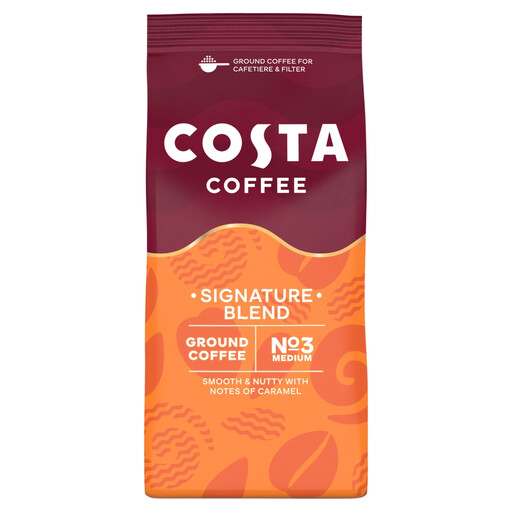 Image unavailable
Consider this for a filter machine or cafetière when you want the smooth, nutty flavour described in the product information. The name specifies No. 3 Medium ground coffee in a 200 g pack; check the pack if caffeine content matters for an evening cup.
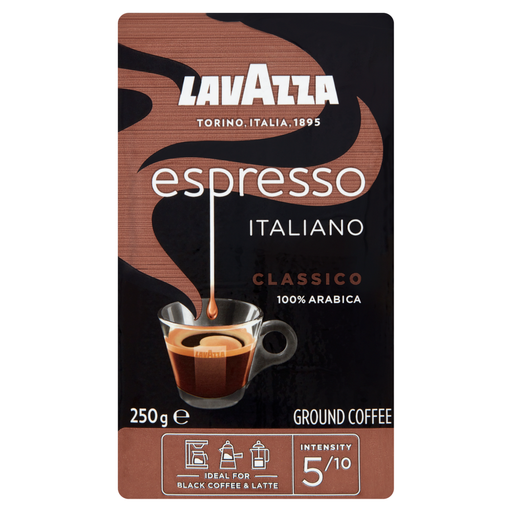 Image unavailable
Consider this blend if you prefer the floral profile Lavazza describes: the manufacturer lists the exact coffee for filter, moka and French press preparation. Check the current pack for its roast description rather than relying on a single roast classification.
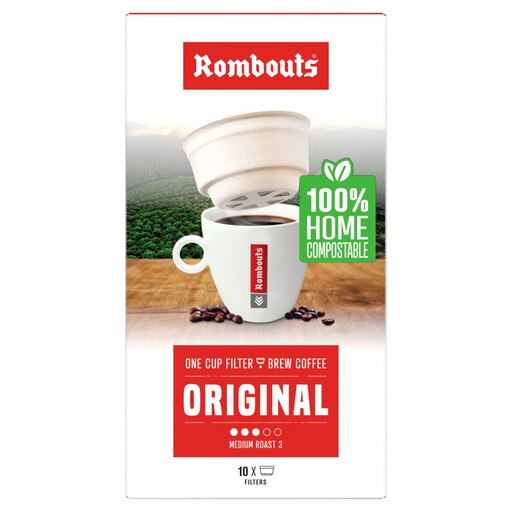 Image unavailable
The one-cup format is worth considering when you make a single coffee rather than a dinner pot. Check the pack's serving setup and disposal instructions before buying.
 Image unavailable
Consider this 200 g ground coffee if your after-dinner preference runs darker rather than gentle. The product information recommends filter and cafetière preparation and describes cocoa and brown-sugar notes; check the pack if you need a particular caffeine figure.
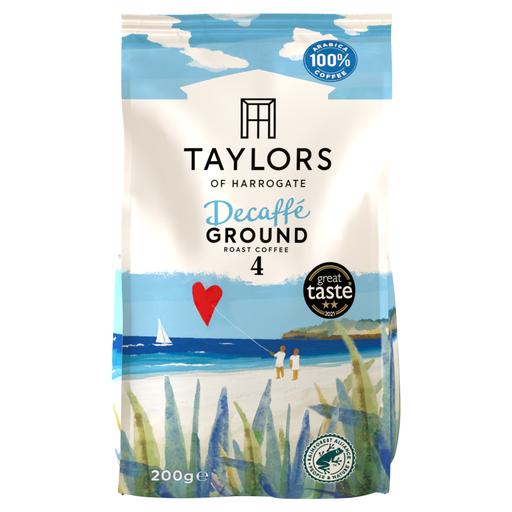 Image unavailable
This 200 g decaffeinated ground coffee is an option when reducing caffeine is part of your evening choice. Confirm suitability for your filter machine or cafetière on the pack; do not assume decaf means caffeine-free.
Yes, if the exact product lists filter preparation. Lavazza lists Espresso Italiano Classico for filter, moka and French press; do not assume every espresso-labelled ground coffee has the same guidance.
Follow the directions on the exact pack. Marks & Spencer advises storing its House Blend in an airtight container for up to two weeks in the fridge or four weeks in the freezer; those instructions are specific to that product.
Choose a decaffeinated option if reducing caffeine is important to your evening coffee choice. Check the particular product if you need a caffeine figure per prepared cup; neither a gentle flavour nor a roast name supplies one.
It is a more practical format when you brew frequently for a group. Douwe Egberts Real Filter Coffee comes as six 1 kg bags, so compare that quantity with how quickly you use coffee and follow its storage instructions.
Read the current pack's ingredients and allergen information. GOV.UK explains that regulated allergens must be declared when they are ingredients in food or drink; a previous pack or retailer description should not replace the label of the product you buy.