Shared-office coffee organisers
People choosing one grinder for colleagues who need a repeatable filter-coffee setting, a manageable routine at the brewer and someone responsible for maintenance.


Choose a burr grinder with a documented range for the office’s filter brewer and a workflow colleagues can keep tidy. A dedicated electric filter grinder makes sense when nobody needs espresso; a broader-range electric model offers more brewing options, while a manual grinder shifts the work to whoever makes each batch. Check batch size, cleaning responsibilities and, for electric models, suitability for the office’s electrical supply before buying.
People choosing one grinder for colleagues who need a repeatable filter-coffee setting, a manageable routine at the brewer and someone responsible for maintenance.
When several cups are brewed together, the amount a grinder can handle per fill and the ease of transferring grounds to the brewer matter alongside counter cleanup.
Colleagues who mainly make filter coffee but sometimes change brewing methods need an appropriate adjustment range and an agreed way to restore the usual setting.
Start with the brewer the office actually uses and its largest routine batch. Then decide whether easy shared cleanup or the flexibility to change brew methods matters more than keeping the grinder simple.
| Concern | What to check | Who this matters to |
|---|---|---|
| Filter grind range | Check that the exact model covers the office’s brewing method. If colleagues change methods, consider how they will record and restore the usual setting. | If our team mainly makes pour-over or batch filter coffee, I want a setting that suits that brewer rather than adjustment options we never use. Around 40% of consumers put filter-method fit first. |
| Shared-counter cleanup | Look at the grounds container, transfer into the brewer and cleaning instructions; agree who empties the container after use. | I do not want loose grounds left for the next colleague in our shared kitchen. Keeping the counter manageable comes first for around 30% of consumers. |
| Batch handling | Compare the largest normal dose with the bean and grounds capacities, and check any manufacturer operating limits for repeated use. | When several colleagues want coffee together, repeatedly filling the grinder would interrupt the batch. Around 20% of consumers make batch handling their primary concern. |
| Simple setup | Confirm the adjustment range and decide whether colleagues will use a hand grinder or need electric operation for the usual workload. | For occasional small portions, I may accept hand grinding rather than set up another electric appliance. Around 10% of consumers prioritise this simpler arrangement. |
Extra adjustment range does not resolve the office’s main task if everyone makes brewed coffee. Fellow states that its Ode Brew Grinder Gen 2 is intended for brewed methods, not espresso.
List the office’s brewers before comparing models. If espresso is required, confirm that the exact grinder covers it; otherwise, assess its documented filter range first.
A hopper size or burr diameter alone does not establish whether a domestic grinder can handle intensive use throughout a workday.
Work out how often the office grinds during its busiest period, then check the manufacturer’s operating limits, maintenance instructions and warranty scope.
Even a grinder with grounds-handling features still needs its container emptied and its cleaning instructions followed. This matters when several people share one counter.
Choose a grounds-transfer arrangement colleagues can use easily, and assign a routine for emptying and cleaning the grinder.
For a UK workplace, the Health and Safety Executive says electrical equipment must be suitable for its use and maintained to prevent danger.
Follow the employer’s electrical-maintenance process, check the grinder’s condition and confirm that the purchased variant suits the office’s supply and plug arrangement.
These product lines illustrate different approaches to shared-office filter grinding; brand inclusion does not indicate availability on Joybuy.
The Ode Brew Grinder Gen 2 is an electric option focused on brewed coffee rather than espresso.
The Uniform range is relevant to teams that mainly brew filter coffee but want adjustment for other methods.
The Encore is another electric burr-grinder option to assess against the office’s filter brewer and shared routine.
These manual grinders are options for colleagues willing to grind each portion by hand. For a shared filter station, consider that effort alongside the size of the office’s usual batch.
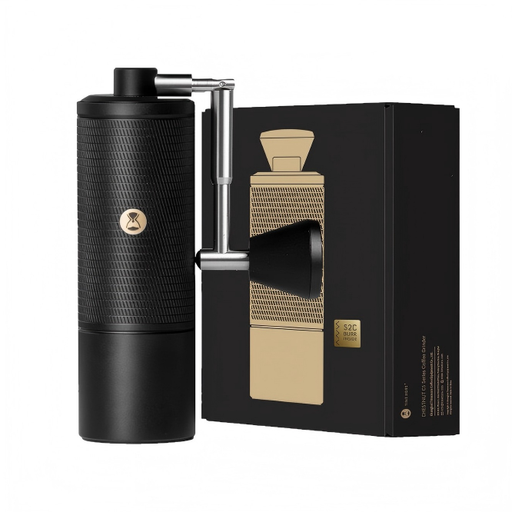 No image available
Consider this manual grinder when colleagues are willing to grind their own portions; for group batches, allow for the time and effort of hand grinding.
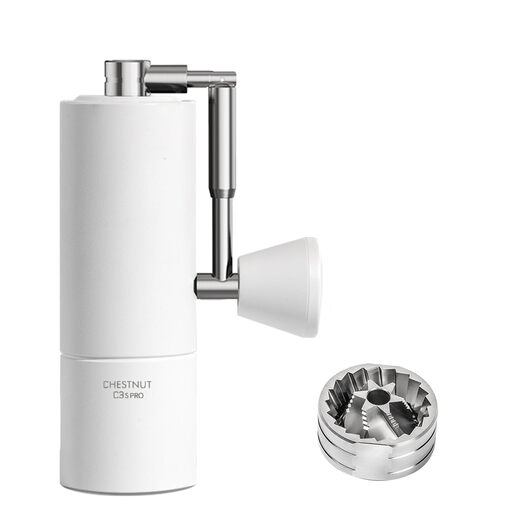 No image available
Consider this hand-operated option for portions colleagues are prepared to grind themselves; larger shared batches may make manual work less convenient.
The product name specifies stainless-steel S2C conical burrs, a foldable handle and adjustment from espresso to French press. Check which setting suits the office’s filter brewer.
Not automatically. The Health and Safety Executive’s guidance for portable electrical equipment in low-risk environments says annual portable appliance testing is not a blanket requirement for every office appliance. The employer still needs to maintain equipment to prevent danger and decide what inspection or testing is appropriate for its use.
Confirm that the purchased grinder suits the intended work and the office’s electrical supply. The Health and Safety Executive advises keeping electrical equipment in good condition and suitable for its use; check the model’s plug and supply requirements, and include it in the employer’s maintenance process.
No, not if the office only makes brewed coffee. Fellow states that its Ode Brew Grinder Gen 2 covers brewed methods but is not intended for espresso; if colleagues do want espresso, check that any alternative covers both the espresso and filter methods they will actually use.
Choose a grounds container that transfers coffee conveniently to the office brewer, then empty it and follow the model’s cleaning instructions. Fellow describes anti-static grounds handling on the Ode Brew Grinder Gen 2, but that feature does not replace a shared cleaning routine.