Households brewing filter coffee regularly
If a filter machine is part of your daily routine, check brewing suitability and choose a pack size that fits how quickly your household uses ground coffee.


Start with ground coffee labelled for your filter machine, then choose a pack size you can use while its flavour remains enjoyable. A house blend, an Italian-style blend and an origin-led coffee offer different stated flavour profiles; packet strength is a guide to roast intensity and flavour, not caffeine content.
If a filter machine is part of your daily routine, check brewing suitability and choose a pack size that fits how quickly your household uses ground coffee.
If you are deciding between a milder house blend and a more pronounced Italian-style or café blend, compare the stated strength and flavour notes. As Which? explains, strength broadly describes roast intensity and flavour profile rather than caffeine content.
A larger pack may be practical when several people use a filter machine. Make sure there is room to keep opened coffee airtight in a cool, dry place, in line with JDE Professional’s storage guidance.
Check the brewing method first, then narrow the choice by flavour and the amount you are likely to use after opening.
| Priority | What to check | Your needs |
|---|---|---|
| Brewing method | Look for filter-machine suitability on the exact pack or product page. Follow your brewer’s preparation instructions. | I use a filter machine, so I want ground coffee labelled for that method rather than choosing by the blend name alone. |
| Flavour intensity | Compare stated strength, roast and flavour notes. Which? says strength broadly reflects roast intensity and flavour profile, not caffeine content. | A milder house blend appeals to me for an everyday cup; if I prefer a more pronounced taste, I will look at Italian-style or café blends. |
| Blend description | Read flavour notes as the seller’s description of the exact coffee. Check whether an origin-led product offers notes you want to try. | I would choose distinctive stated notes because I enjoy that profile, not assume an origin-led label guarantees I will prefer the cup. |
| Pack size | Check the quantity in grams and how soon you expect to use it. Plan airtight, cool and dry storage after opening. | For occasional brewing, a smaller pack fits my routine; a larger pack makes more sense when coffee is used frequently. |
| Caffeine | Do not use the strength number as a caffeine measure. If caffeine matters to your choice, check whether the exact product is decaffeinated. | I want to distinguish the flavour I prefer from the amount of caffeine in what I drink. |
A lower packet strength number does not establish that a coffee contains less caffeine. Which? describes strength as broadly indicating roast intensity and flavour profile.
Choose strength for the flavour profile you want. Check a product’s decaffeinated labelling separately if caffeine is relevant to your decision.
A blend name does not tell you whether the ground coffee is intended for your brewing method.
Check the exact pack or product page for filter-machine suitability and follow the brewer’s instructions.
A bulk format is most practical when the coffee will be used regularly. Opened ground coffee needs appropriate storage to help preserve its flavour.
Match the quantity to your usage and keep opened coffee airtight in a cool, dry place, as JDE Professional advises.
These ranges illustrate different ground-coffee formats and blend descriptions; a brand name alone does not establish which coffee suits your brewer or taste.
Its ground-coffee range includes house-blend and Italian-style choices.
Tesco Finest includes Café Blend and Peruvian ground-coffee options.
JDE Professional lists Real Filter Coffee in a 6 × 1 kg case designed for filter-style machines.
Lavazza describes Qualità Rossa as a medium-roast Arabica and Robusta blend with fruity and chocolate notes.
Its ground-coffee choices include Rich Italian Roast and Lazy Sunday Roast in different pack formats.
The M&S ground-coffee range includes light and dark roasts, decaf products and coffee bags.
These options cover ground coffee for filter brewing, a one-cup filter format and larger quantities for frequent use. Choose by the brewing method and pack size that fit your routine.
 No image available
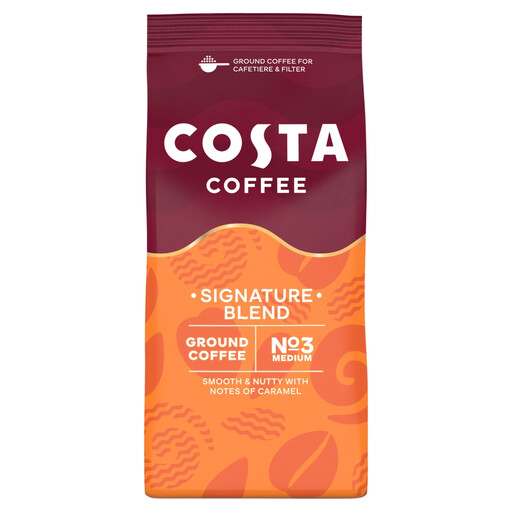
For shoppers using a filter machine or cafetière, the product name states both brewing methods. This is a 200 g ground-coffee pack labelled No. 3 Medium; choose the quantity with your usage rate in mind.
 No image available
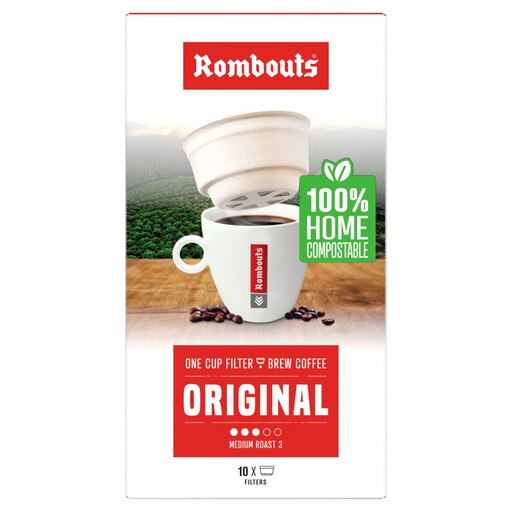
The one-cup filter format suits someone preparing an individual cup rather than a pot in a filter machine. The pack is labelled 70 g; check its serving instructions and local collection rules before relying on the compostable description for disposal.
 No image available
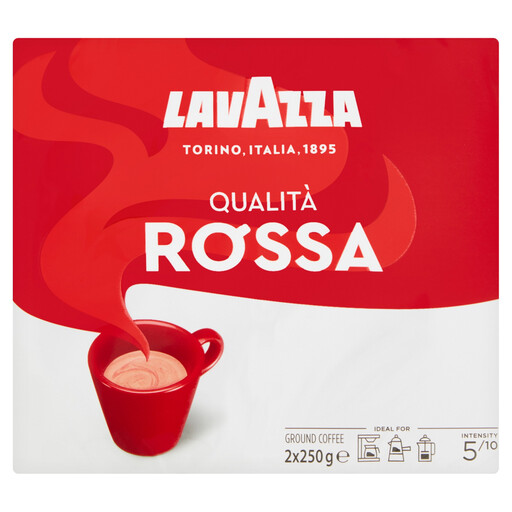
This ground-coffee pack is an option for regular brewing if 500 g fits your household’s usage. Check the preparation directions on this pack for your filter machine rather than applying directions from Qualità Rossa coffee beans.
 No image available
Consider this 200 g ground-coffee pack if you want to explore the After Dark blend. Check the pack’s roast description and filter-machine preparation directions to see whether they match your preferred cup and brewer.
 No image available
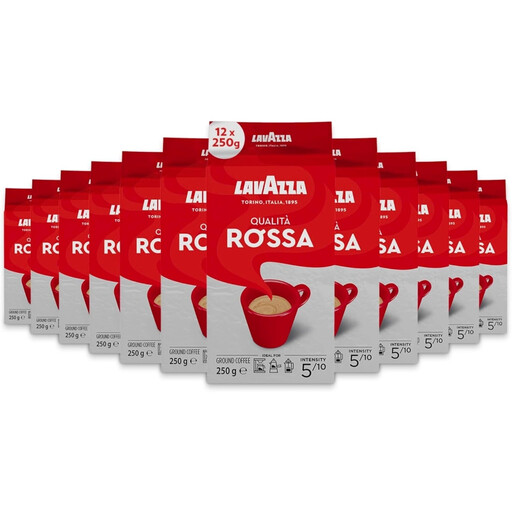
The 12 × 250 g ground-coffee case is a format to consider for frequent use or a shared kitchen. Before choosing it, check your brewer’s preparation instructions and whether you have space to store the packs appropriately.
No. Which? says coffee strength broadly reflects roast intensity and flavour profile rather than caffeine content. Use the number to compare stated taste profiles, not to gauge caffeine intake.
Look for filter-machine or filter-style brewing on the exact pack or product page, then follow your brewer’s instructions. Tesco states that its Peruvian ground coffee suits filter machines, while JDE Professional describes its Real Filter Coffee as designed for filter-style machines.
Keep it airtight in a cool, dry place, following any more specific directions on the pack. This is the storage approach JDE Professional gives for its filter coffee and is especially worth planning when choosing a large quantity.
Do not rely on roast strength to indicate caffeine content. The NHS advises people who are pregnant to have no more than 200 mg of caffeine a day from all sources; check the coffee you choose and account for other foods and drinks containing caffeine.