Buyers using batch filter machines
Check that the coffee is intended for the installed brewer. A pack size that suits daily demand also makes it easier for different staff shifts to follow the same preparation routine.


For a workplace canteen with a batch filter machine, start with ground coffee labelled for filter use, then choose a blend whose flavour suits the people drinking it. Try a smaller pack before committing to a larger format, match replenishment to lunch-service volume, and label any half-caff or decaffeinated option separately.
Check that the coffee is intended for the installed brewer. A pack size that suits daily demand also makes it easier for different staff shifts to follow the same preparation routine.
Roast, bean composition and the maker’s flavour description can help narrow the choice, but they cannot establish what everyone will enjoy. A small trial gives staff a chance to compare a smoother style with a fuller one.
Keep an alternative clearly identified at the serving point. Half-caff contains regular as well as decaffeinated coffee, so it must not be labelled as caffeine-free.
Confirm the brewer fit first; then consider flavour, a clearly labelled caffeine alternative and how quickly the canteen uses an opened pack.
| Priority | What to check | Your needs |
|---|---|---|
| Brewer fit | Look for filter-machine suitability or filter preparation directions on the pack. Follow the installed brewer’s instructions for making a batch. | I need a coffee that staff can prepare consistently in our filter machine during lunch service. |
| Flavour | Compare roast, bean composition and stated flavour notes. Treat strength numbers as product descriptors, not a common measure of caffeine or quality. | A shared lunchtime coffee should suit our usual drinkers; I would trial a smaller pack before buying a case. |
| Caffeine choice | Check whether an alternative is labelled half-caff or decaffeinated. Sainsbury’s describes its Half Caff as 50% coffee and 50% decaffeinated coffee. | Some colleagues may want another option, and I need to identify it accurately at the serving point. |
| Pack and storage | Compare pack size with the amount used between openings. Read the particular pack’s storage directions and record when it was opened. | I want an opened pack to fit our lunch-service routine without leaving more coffee open than we are likely to use promptly. |
Grinding and preparation directions vary between products. A label that only says “ground coffee” does not establish how it should be used in the canteen’s brewer.
Check the pack for filter-machine use and the machine instructions before ordering a larger quantity.
A mismatched preparation routine can mean discarded batches and extra work during service.
A roast or strength description tells staff about the intended taste style, not how much caffeine a served cup contains.
Use a clearly labelled half-caff or decaffeinated product when offering a different caffeine choice. Do not describe half-caff as caffeine-free.
Post-opening directions differ by product. For example, M&S gives specific airtight-storage and time instructions for its Single Origin Nicaraguan ground coffee; those instructions should not be applied to other packs.
Mark the opening date, follow the chosen pack’s directions and select a size that fits actual usage.
Milk, creamers, syrups and toppings need to be considered alongside the coffee when providing ingredient information. The Food Standards Agency says UK food businesses must provide information about the presence of 14 regulated allergenic ingredients in food.
Keep ingredient information current for the products actually served and follow Food Standards Agency guidance for the canteen’s service format.
These brand examples show different blend and pack approaches; check the individual product rather than assuming every coffee in a range suits a filter machine.
Lavazza describes Il Filtro Classico as a fuller Arabica-Robusta filter blend and lists Qualità Oro Dark Roast for filter, French press and moka preparation.
Taylors describes Rich Italian ground coffee as rich and smooth; its 200 g format offers a smaller quantity to trial.
Coffee Supplies Direct lists Professional Filter Blend as finely ground for filter machines in a 6 × 1 kg case.
Tesco labels its 227 g Finest Café Blend as suitable for filter machines as well as several other brewing methods.
Sainsbury’s lists everyday ground-coffee choices alongside Half Caff and provides filter-machine directions for its Moments of Calm coffee.
M&S lists ground coffees spanning different roasts and decaffeinated options, including a Single Origin Nicaraguan product with post-opening storage directions.
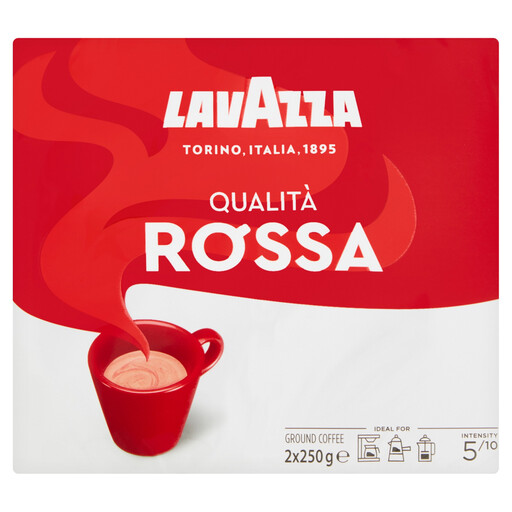
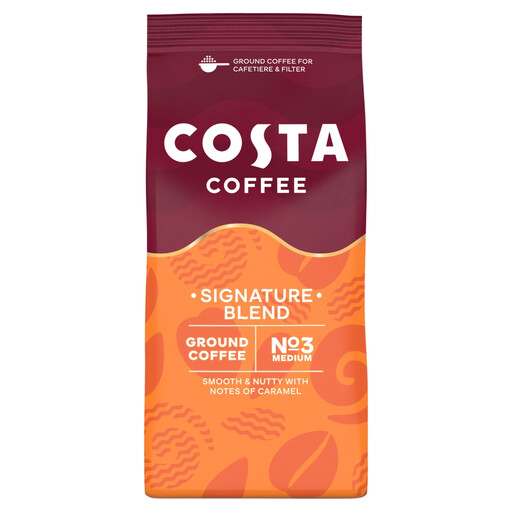
These two ground-coffee packs offer different sizes for a workplace considering filter preparation. Check the directions on the pack against the canteen’s machine and expected lunch-service volume.
 No image available
The 500 g pack is worth considering if that quantity fits the canteen’s usage between openings. Confirm the filter preparation directions suit the installed brewer and follow the pack’s storage instructions.
 No image available
The title identifies a 200 g ground coffee for cafetière and filter use, with a No. 3 Medium profile. Consider whether that pack size fits the number of cups served at lunch, and check the preparation directions for the canteen’s machine.
Choose coffee that states filter-machine suitability or gives filter preparation directions. Then follow the installed machine’s instructions; “ground coffee” alone does not establish the right preparation method.
Do not use a retailer’s flavour-strength number as a caffeine measurement. Check the product’s description for its intended taste, and look for a clearly labelled half-caff or decaffeinated option if caffeine choice matters to the service.
No. Sainsbury’s lists its Half Caff as 50% coffee and 50% decaffeinated coffee. Label a half-caff serving separately from both regular and decaffeinated coffee.
Follow the chosen pack’s post-opening storage instructions and record its opening date for staff. Select a pack size that fits the amount the canteen is likely to use promptly; directions for one product should not be assumed to apply to another.
Yes. The Food Standards Agency says UK food businesses must provide information about the presence of 14 regulated allergenic ingredients in food. Keep information current for the milk, creamers, syrups, toppings and other components actually used in served drinks.