What should you check first?
Settle the caffeine question, then match the coffee to the brewer. Flavour and pack size are useful choices once those requirements are clear.
| Priority | What to check | Your needs |
|---|
| Caffeine |
Check whether the coffee is labelled decaffeinated. Account for caffeine from other foods and drinks as well as coffee; ask for product-specific information if you need to follow an individual limit. |
I’m choosing for someone who is pregnant or breastfeeding, so caffeine matters more than the blend’s intensity number. The NHS says not to have more than 200mg of caffeine a day during pregnancy and recommends no more than 200mg a day while breastfeeding. |
| Brewing method |
Look for your actual method—such as filter machine, filter or cafetière—in the preparation directions. Check grind guidance for that method rather than assuming every ground coffee works the same way. |
Our household already has a brewer, and I want coffee intended for that method. Lavazza’s brewing guidance notes that grind size matters for filter coffee. |
| Flavour |
Compare the stated roast and tasting notes after checking caffeine status and brewing suitability. Treat intensity as a description of aroma and body, not caffeine content or a quality ranking. |
Once the practical checks are settled, I can choose the flavour we prefer. Lavazza describes its intensity scale in terms of aroma and body. |
| Pack and storage |
Compare pack sizes with how often the coffee will be used. Read the exact pack’s instructions for storage after opening. |
If we make coffee irregularly, I’d rather choose a pack we expect to use and can store as directed than select a larger one on size alone. |
Which brand ranges are relevant?
These brand and retailer examples help distinguish ground decaf, regular coffee and instant coffee; inclusion here does not indicate that a particular product is among the Joybuy options below.
Lavazza
Lavazza lists both decaffeinated and regular ground coffees with stated preparation methods.
- Its Decaf and Espresso Italiano Classico listings both name filter preparation.
- Lavazza defines intensity in terms of aroma and body; its intensity number should not be read as a caffeine figure.
Taylors of Harrogate
Taylors offers Decaffé as decaffeinated ground coffee rather than instant coffee.
- Taylors describes its 200g Decaffé with caramel and malt flavour notes and says it uses the Pure Water Process.
- For a particular brewer or an individual caffeine limit, check the product’s preparation directions and request the relevant caffeine information.
Tesco
Tesco’s Finest Decaffeinated Colombian is an own-label ground-coffee example with stated brewer suitability.
- Tesco lists cafetières, filter machines, moka pots and percolators among its suitable preparations.
- Check the current pack label for preparation and storage directions when buying.
Sainsbury’s
Sainsbury’s grocery listings include both decaffeinated and regular ground-coffee options.
- Its listings give shoppers separate decaf and regular ground-coffee formats to compare.
- A listed strength number is not a caffeine measurement; confirm the caffeine status and brewing method on the chosen product.
M&S
M&S lists a Single Origin Colombian Decaf Ground Coffee for shoppers considering a decaffeinated flavour profile.
- M&S describes this product as decaffeinated, 100% Arabica and medium roast, with caramel and blackcurrant notes.
- Check the exact pack’s preparation and storage directions before choosing it for a particular brewer.
Douwe Egberts
Douwe Egberts Pure Decaffeinated is an instant-coffee example, not a ground filter-coffee alternative.
- Tesco identifies Pure Decaffeinated as freeze-dried instant coffee for a preparation that does not require a filter brewer.
- Do not buy this instant format expecting to use it as ground coffee in a filter machine.
Joybuy filter coffee options
These options cover ground coffee labelled for filter or cafetière use, other ground-coffee blends to check against your brewer, and a one-cup filter format. Check decaffeinated status separately if managing caffeine.
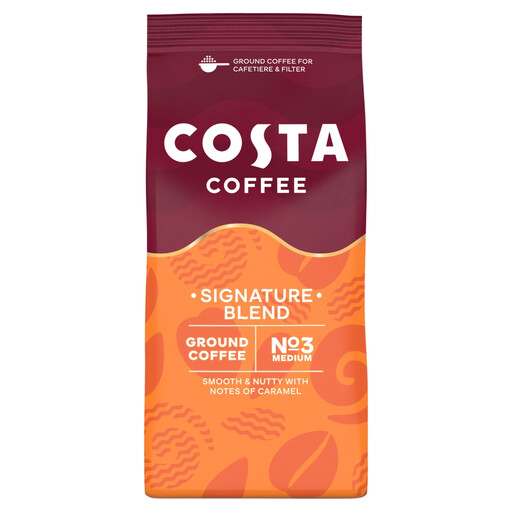 Image unavailable
Costa Coffee Mocha Italia Signature Blend, Cafetière & Filter No. 3, 200g
The named cafetière and filter preparations make this a starting point if either is your household method. No. 3 Medium and the 200g pack size distinguish this variant; check the pack’s caffeine status if you need to manage intake.
View on Joybuy
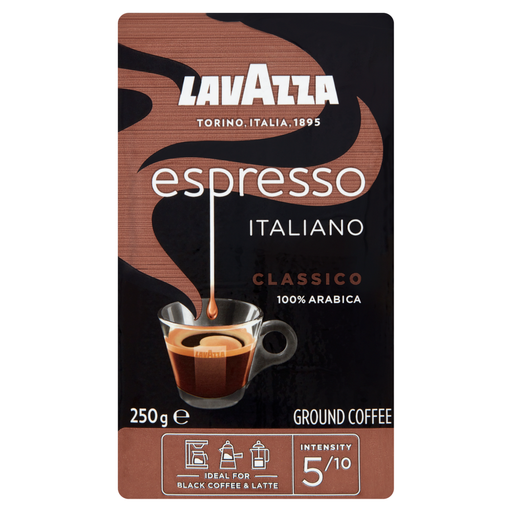 Image unavailable
Lavazza Espresso Italiano Classico Ground Coffee, 250g
Lavazza lists filter preparation for Espresso Italiano Classico, so it is worth considering if that matches your brewer. Its intensity description is a flavour cue, not a caffeine measure; check the pack’s caffeine status if that matters for the drinker.
View on Joybuy
 Image unavailable
Taylors of Harrogate After Dark Ground Coffee, 200g
If you prefer the described cocoa and brown-sugar flavour notes, check the pack’s directions against your filter machine or cafetière before choosing it. This 200g ground-coffee variant should not be confused with Taylors Decaffé; confirm caffeine status when relevant.
View on Joybuy
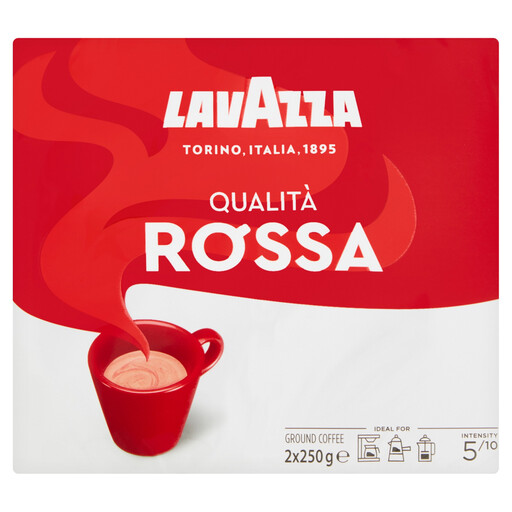 Image unavailable
Lavazza Qualità Rossa Ground Coffee, 500g
Check the preparation directions for your filter brewer before choosing this ground-coffee blend. Its 500g pack is also worth comparing with how quickly your household expects to use opened coffee; confirm caffeine status separately if needed.
View on Joybuy
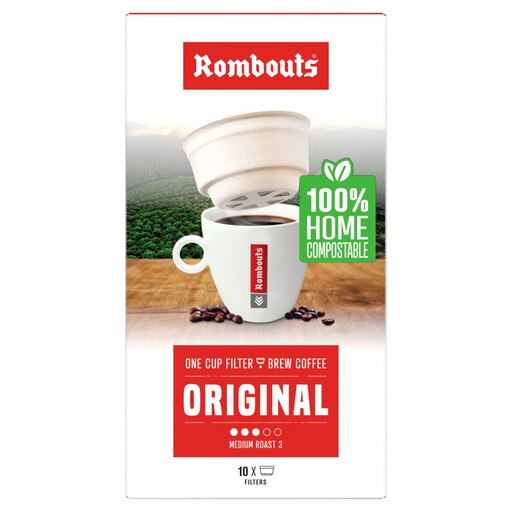 Image unavailable
Rombouts Original Compostable One Cup Filter Coffee, 70g
This is a one-cup filter format rather than a pack of loose ground coffee for a reusable brewer. Check its preparation directions against how you intend to make coffee, and confirm caffeine status if you are managing intake.
View on Joybuy
Common questions
Should I choose decaf filter coffee during pregnancy?
Decaffeinated ground coffee is a way to reduce caffeine from coffee while retaining a filter-brewing option. The NHS says not to have more than 200mg of caffeine a day during pregnancy and notes that filter coffee can contain more caffeine than its instant-coffee example, so account for caffeine from other sources too.
Can a breastfeeding parent choose regular filter coffee?
Use total caffeine intake, rather than roast or intensity, to assess regular coffee. The NHS recommends no more than 200mg of caffeine a day while breastfeeding; follow any individual advice you have been given by a healthcare professional.
Does a lower intensity number mean less caffeine?
No caffeine amount follows from an intensity number alone. Lavazza describes coffee intensity in terms of aroma and body, so check decaffeinated status and product-specific information instead when caffeine matters.
How do I check whether ground coffee suits my filter machine?
Read the preparation directions for the exact product and look for filter-machine or filter suitability. Tesco names filter machines for its Finest Decaffeinated Colombian ground coffee, while Lavazza names filter preparation for Espresso Italiano Classico; neither example establishes suitability for every ground coffee.
How should I store ground coffee after opening?
Follow the storage instructions on the exact pack and close it as directed after use. If your household makes coffee irregularly, consider expected use when choosing a pack size.


