Shops serving an everyday coffee
If the shop wants one caffeinated ground coffee for routine filter-machine service, compare stated brewing suitability and flavour descriptions before choosing a main blend.


For a retirement shop serving filter coffee regularly, start with a ground blend whose exact pack confirms filter-machine suitability and whose described flavour suits the shop’s everyday offer. A 1 kg filter blend is worth considering when demand is predictable; smaller packs give more flexibility when turnover is uncertain. Keep decaf as a separate choice for customers who want it, rather than assuming everyone needs it.
If the shop wants one caffeinated ground coffee for routine filter-machine service, compare stated brewing suitability and flavour descriptions before choosing a main blend.
A shared kitchen or counter with predictable turnover can consider a larger filter-specific pack, provided opened coffee can be stored and used according to its label.
Customers who prefer to reduce caffeine need a clearly identified decaf option alongside the main coffee. Check its brewing directions separately; being ground coffee alone does not establish filter-machine compatibility.
Decide how the coffee will be prepared and how quickly a pack will be used, then compare flavour descriptions and whether a separate decaf choice is needed.
| Priority | What to check | Your needs |
|---|---|---|
| Everyday flavour | Compare the exact blend’s roast or body description and its stated tasting notes. Treat words such as smooth, nutty or chocolatey as product descriptions, not a guarantee that everyone will like it. | I want a main coffee that staff can describe clearly and serve consistently. |
| Brewing method | Check the exact pack for filter-machine instructions, then follow the machine manufacturer’s directions. A ground-coffee label by itself does not confirm suitability for the equipment. | Our coffee needs to work with the filter machine we actually use. |
| Pack size and storage | Compare the pack size with expected turnover. Check the label’s storage and post-opening instructions before committing to a larger format. | If demand varies, I would rather choose a pack size we can use within its stated storage guidance. |
| Decaf choice | Confirm that the separate product is decaffeinated, check its filter-brewing directions and use the current label for any specific caffeine-content statement. | Some customers may ask for decaf, but that does not make it the right default for everyone. |
| Allergen information | Check the ingredients and allergen information for the finished drink, including milk and other additions. The information required depends on how the shop supplies the food or drink. | I need staff to be able to answer questions about what is in the drink being served, not just the ground coffee. |
Ground coffees can have different preparation directions. Tesco House Roast explicitly lists filter machines, while a roast description alone does not establish compatibility for another pack.
Check the exact product’s brewing instructions and the machine manufacturer’s guidance before ordering for regular service.
A request to reduce caffeine is individual, not a reason to replace the shop’s entire caffeinated offer. Decaf should not automatically be described as completely caffeine-free: Sainsbury’s states less than 0.1% caffeine by weight for its Fairtrade Colombian Decaff.
Offer decaf as a clearly labelled choice and refer to the current pack for product-specific caffeine information.
Tesco notes that exposure to air affects the flavour and aroma of its Original Blend. Storage directions and post-opening periods must be checked for the particular coffee purchased.
Match pack size to turnover and follow the pack’s instructions for closing and storing it.
Milk and other additions can change the allergen information relevant to a served drink. Food Standards Agency guidance covers businesses in England, Wales and Northern Ireland; Food Standards Scotland provides guidance for Scotland.
Keep current information for the ingredients used and check the requirements that apply to the shop’s nation and way of supplying drinks or food.
Taylors describes its Rich Italian ground coffee as rich and smooth.
Lavazza lists Canal Grande Filter as a medium-light roast made with 100% Arabica coffee.
Staples UK lists Douwe Egberts Filter Blend as a 1 kg roast-and-ground coffee for filter use.
Tesco lists its 227 g House Roast ground coffee as suitable for filter machines.
Sainsbury’s describes its Fairtrade House Blend as smooth and nutty, and lists a separate Fairtrade Colombian Decaff ground coffee.
The M&S ground-coffee range lists house blend, decaf and half-caff products.
These options cover a ground blend labelled for filter use, a one-cup filter format and a ground decaf choice. Check the preparation method against the shop’s equipment, particularly for the one-cup and decaf products.
 No image available
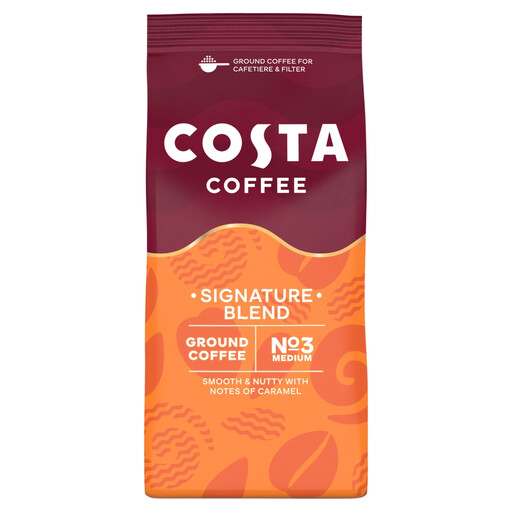
For a main coffee prepared in a filter machine, this ground blend is labelled for both filter and cafetière use. Compare its 200 g pack size with the shop’s turnover and follow the pack’s storage directions after opening.
 No image available
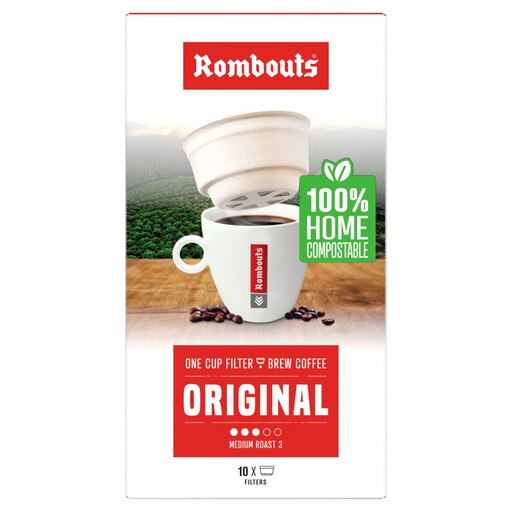
This 70 g one-cup filter format is an option where individual preparation fits the shop’s service. Check how its filter is used before buying: a one-cup format should not be assumed to work in the shop’s filter machine.
 No image available
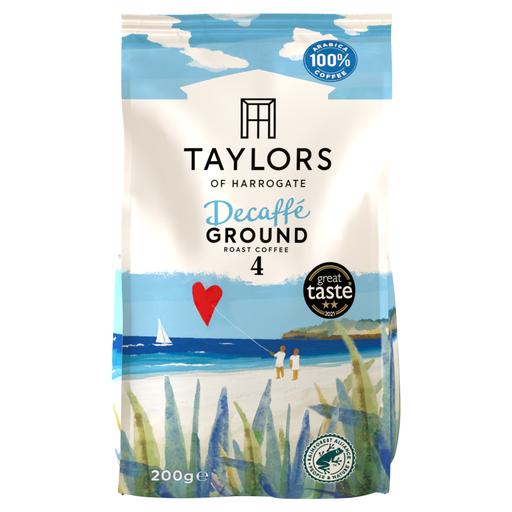
This 200 g ground decaf offers a separate choice for customers seeking to reduce caffeine. Check the exact pack’s brewing directions before using it in the shop’s filter machine, and use its current label for any caffeine-content information.
Start with a ground coffee whose exact pack confirms filter-machine suitability, then compare its stated flavour with what the shop wants to serve. Tesco House Roast, for example, lists filter machines among its suitable brewing methods. A smooth flavour description on a different product does not replace a brewing-compatibility check.
No: offer decaf as a choice for customers who prefer to reduce caffeine rather than making an assumption based on age. Check the particular decaf product’s brewing directions and label; Sainsbury’s states less than 0.1% caffeine by weight for its Fairtrade Colombian Decaff, not zero.
Check the finished drink, including milk or other additions, rather than relying on the ground-coffee label alone. Food Standards Agency guidance covers allergen information for food businesses in England, Wales and Northern Ireland, while Food Standards Scotland provides guidance for Scotland. The applicable way to provide information depends on what the shop supplies and how it supplies it.
Follow the storage and post-opening directions on the exact pack, and choose a size the shop can use accordingly. Tesco notes that contact with air affects the flavour and aroma of its Original Blend; another coffee may have different storage instructions.