Everyday filter-machine households
If you brew at home regularly, a small pack lets you choose between lighter and more pronounced profiles without committing to a bulk format.


For a small top-up, start with a 200–250g ground coffee that explicitly names filter preparation, then choose a roast and flavour description that appeals to you. A larger bag makes more sense if you use coffee frequently and can follow its storage instructions after opening; a strength number alone cannot tell you how another brand will taste.
If you brew at home regularly, a small pack lets you choose between lighter and more pronounced profiles without committing to a bulk format.
When comparing own-label and branded ground coffee, check the pack size, stated roast or strength, and brewing instructions rather than choosing by brand alone.
If several people use the filter machine, a larger format may be practical. Consider how quickly each opened pack will be used and what storage it requires.
Check the intended brewing method first. Then compare the descriptions of blends you could use, before deciding how much coffee to buy.
| Priority | What to check | Your needs |
|---|---|---|
| Brewing method | Look for an explicit filter-machine or filter-preparation statement. Check the pack instructions for your brewer. | I use a filter machine and want grounds intended for that method, not just a bag labelled ground coffee. |
| Roast and flavour | Compare the stated roast, bean blend and flavour notes. Read strength or intensity numbers within the relevant product range, not as a common scale across brands. | For coffee I usually drink black, I might try a lighter description; if I want a more pronounced cup, I can look at the stronger-style blends. |
| Pack size | Compare the net weight with how often you brew. Small 200–250g packs and larger household or professional formats involve different storage commitments. | I want enough for a top-up without keeping a large pack open longer than I expect to use it. |
| Storage and label | Read the current pack for storage and preparation instructions, ingredients and any food information relevant to you. Follow its guidance after opening. | Before I buy, I want to confirm the details on the pack I will actually use. |
Ground coffees can name different intended preparations, so the words ground coffee do not settle whether a product suits your brewer.
Look for filter-machine or filter-preparation guidance on the product and check its pack instructions.
A large opened pack needs storage as well as enough regular use to justify its size. JDE Professional recommends keeping its Douwe Egberts filter coffee in an airtight container in a cool, dry place after opening.
Choose a pack size you expect to use and follow the storage directions for that product.
Tesco calls its Café Blend strength 4, while Lavazza gives Espresso Italiano Classico an intensity of 5/10. Those labels do not establish a shared caffeine or quality scale.
Use each number alongside that product’s roast, blend and flavour description.
Tesco advises shoppers that food products can be reformulated. The details that matter for preparation or storage should be checked on the current pack.
Read its ingredients and relevant food information, as well as the preparation and storage instructions, before use.
These ranges illustrate different pack sizes and brewing instructions; check the particular coffee rather than assuming every product from a brand has the same preparation guidance.
Ground-coffee options with product-specific guidance for different home brewing methods.
Ground coffees including lighter and richer roast choices in small packs.
A filter-machine-focused professional format for kitchens using coffee frequently.
Own-label ground coffee with individual product descriptions to compare.
Own-label ground coffees with different stated strengths and pack sizes.
Ground-coffee choices spanning house blends, Italian-style coffee and other roast styles.
These options include small packs of ground coffee and a portioned one-cup filter format. If you use a filter-machine basket, distinguish loose grounds from individual filters before choosing.
 No image available
A 200g ground-coffee pack for a small top-up. Check the pack’s filter preparation instructions and stated roast if those details determine your choice.
 No image available
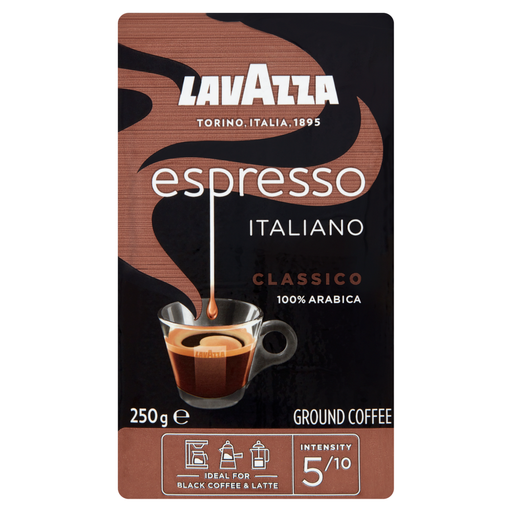
For a 250g top-up when you use more than one brewer, Lavazza lists filter, moka and French press preparations for Espresso Italiano Classico. It states 100% Arabica and intensity 5/10; check the current pack’s identity and instructions before use.
 No image available
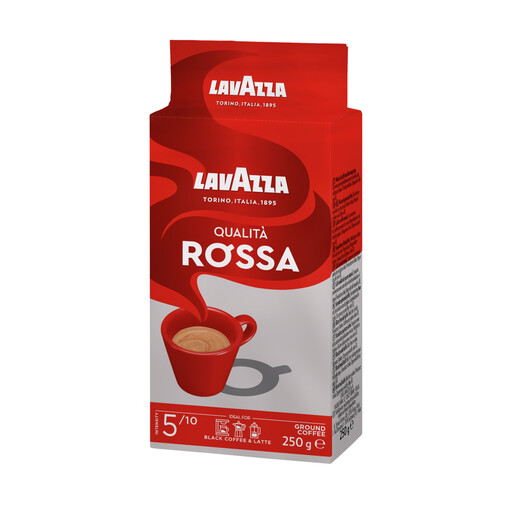
A 250g ground-coffee option for a small top-up. If you plan to use it in a filter machine or moka pot, confirm the preparation directions on this pack rather than assuming every Qualità Rossa size has identical instructions.
 No image available
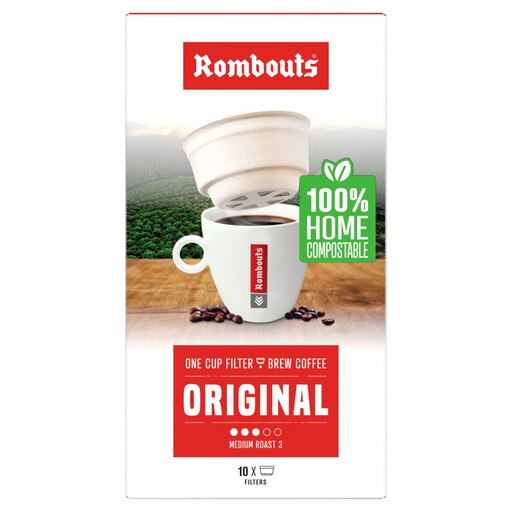
This 70g one-cup filter format is distinct from loose grounds for a filter-machine basket. Check how the individual filters are prepared and follow the pack’s disposal instructions for your local facilities.
No image available
A 200g top-up labelled for cafetière and filter brewing, with No. 3 Medium stated in its name. Check the current pack if its flavour description is important to your choice.
Look for an explicit filter-machine or filter-preparation statement and check the pack instructions. Tesco names filter machines for its Café Blend, Lavazza lists filter preparation for Espresso Italiano Classico, and JDE Professional describes Douwe Egberts Real Filter Coffee as designed for filter-style machines.
A 200–250g pack involves less commitment if you brew occasionally or are trying a blend. Consider a larger format if you use coffee frequently and can follow its storage instructions; JDE Professional recommends an airtight container in a cool, dry place after opening its filter coffee.
Do not treat them as a shared caffeine or quality scale. Tesco labels its Café Blend strength 4, while Lavazza lists Espresso Italiano Classico at intensity 5/10; read each number alongside that product’s roast and blend description.
Check the preparation and storage directions, ingredients and any food information relevant to you on the current pack. Tesco warns that food products can be reformulated, so an older product description should not replace the label you receive.