Filter and cafetière brewers
If you make coffee with a filter brewer or cafetière, check the exact product’s preparation directions before narrowing your choice by roast or flavour notes.


For an online grocery order, start with a ground coffee that explicitly names your filter brewer or cafetière as a suitable preparation method. Then choose by the exact pack’s roast and stated flavour notes, and check substitution settings if a different blend would not meet your needs.
If you make coffee with a filter brewer or cafetière, check the exact product’s preparation directions before narrowing your choice by roast or flavour notes.
If coffee is part of a recurring order, consider whether the pack size suits how quickly you use ground coffee and review the selected item when you finalise the basket.
If decaf status, certification, roast or flavour matters to you, review substitution settings and check what arrives. Tesco and Sainsbury’s both describe circumstances in which an unavailable item may be substituted.
Confirm the brewing method first; a familiar brand name or strength number does not identify every detail of the blend in your basket.
| Priority | What to check | Your needs |
|---|---|---|
| Brewing method | Look for filter, cafetière or French press on the exact product page or pack. Check the preparation directions for the brewer you use. | I use a filter brewer or cafetière and want the ground coffee to name that method explicitly. |
| Roast and flavour | Read the exact pack’s roast description and stated flavour notes. Use its strength rating within the scale shown on that product, rather than treating different brands’ numbers as equivalent. | Floral notes appeal to me more than nutty ones, or I would rather choose a clearly labelled Italian-style blend. |
| Pack size | Check the quantity and the opened-pack storage instructions. Consider how quickly you will use the coffee after opening. | A smaller pack suits my occasional brewing; for a regular routine, I want to check whether a larger pack is practical to store and finish. |
| Delivery substitutions | Review the retailer’s substitution setting and the delivered item. Tesco says an unwanted substitute can be handed back to its driver or Click+Collect colleague; Sainsbury’s says substitutions appear on delivery paperwork. | When a particular roast, decaf product or certification matters, I do not want a close alternative without checking it. |
| After delivery | Follow the storage directions on the exact pack and read its current ingredients and allergen information where relevant. | I want to store an opened pack as directed and check the label of the coffee that actually arrives. |
A strength label does not tell you whether the exact coffee is presented for your brewer or which flavour notes its maker describes.
Check preparation suitability first, then read the roast and flavour description on the same product listing or pack.
A replacement chosen for a delivery order could differ in roast, decaf status, pack size or certification.
Review substitution preferences when ordering. Tesco says you can hand an unwanted substitute back to its driver or Click+Collect colleague for a refund; check the delivered item against your original choice.
The item you receive, particularly a substitute, is the one whose ingredients and allergen information you need to assess. The Food Standards Agency says food businesses must provide allergen information for prepacked food and drink.
Read the physical pack when its ingredients, allergens or certification matter to your choice.
These are reference points for comparing named blends, not a promise that every product can be added to a particular delivery order.
Lavazza lists ground coffees for several preparation methods, so check the individual blend rather than relying on the brand name.
Tesco’s ground-coffee listings include named Taylors blends such as Rich Italian Roast and Lazy Sunday Roast.
Tesco lists Douwe Egberts Filter Blend Ground Coffee in a 2 × 250 g format.
Tesco’s own-label listings include House Roast, Italian Inspired Blend and Finest coffees identified by origin.
Sainsbury’s lists own-label house, Italian-style, decaf and origin-labelled ground coffees.
The M&S ground-coffee catalogue includes House Blend, Italian-Style and M&S Collection single-origin products.
These options include ground coffee for cafetière or filter preparation and a separate one-cup filter format. Check the format and preparation directions against the equipment you use.
 No image available
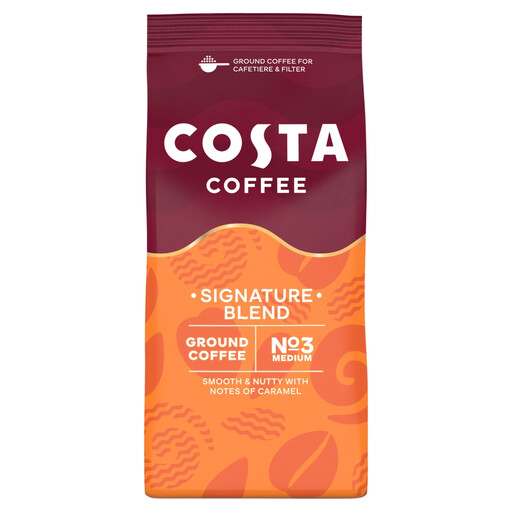
The name explicitly identifies cafetière and filter use, making this a starting point for either brewer. It is labelled No. 3 Medium in a 200 g pack; follow the opened-pack storage directions.
 No image available
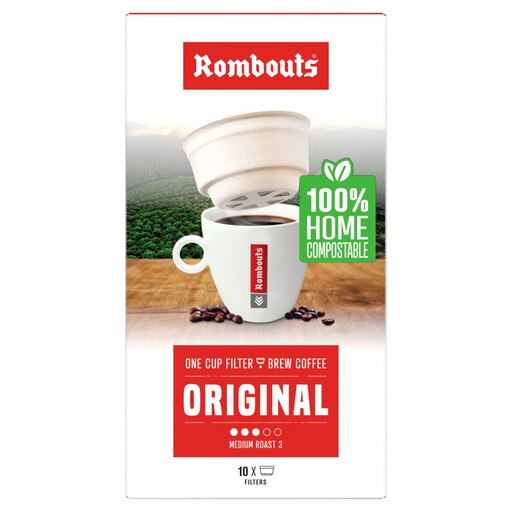
This is a one-cup filter format rather than a conventional bag of loose ground coffee for a cafetière. Check its preparation instructions and whether the format suits your usual brewing routine.
 No image available
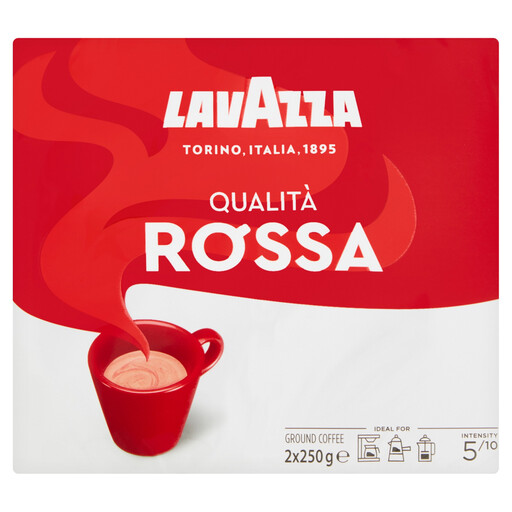
For a regular filter-coffee order, check the preparation directions on this 500 g pack against your brewer. Its stated flavour can vary with preparation, so the blend name alone does not establish one fixed filter-cup profile.
 No image available
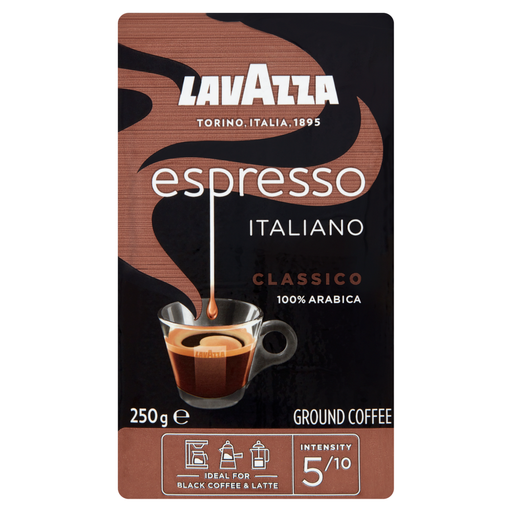
Lavazza identifies Espresso Italiano Classico as suitable for filter, French press and moka preparation. If you are choosing it for a particular roast or flavour, check the current 250 g pack: the supplied product descriptions conflict on those details.
Allow one only if you are willing to check and accept a different coffee. Tesco says an unwanted substitute can be handed back to its driver or Click+Collect colleague for a refund; Sainsbury’s says its substitutions are recorded on delivery paperwork. Review the roast, preparation method and any decaf or certification requirement on the item offered.
Use each number with its own labelled scale and the exact product description, rather than treating unlike scales as interchangeable. For example, the Sainsbury’s listing labels Costa Mocha Italia strength 3/6 and medium roast, while Lavazza labels Espresso Italiano Classico intensity 5/10 and light roast on its UK product page.
Follow the instructions on the pack you receive. Tesco’s Douwe Egberts Filter Blend listing recommends an airtight container in a cool, dry place; the Sainsbury’s listing for Costa Mocha Italia gives different, product-specific opened-pack instructions, including refrigeration.
Yes: check the ingredients and allergen information on the coffee that actually arrives, especially if it is a substitute. The Food Standards Agency says food businesses must provide allergen information for prepacked food and drink.