Before ordering a “box of 240”, check whether 240 refers to cups, coffee portions or filter papers: those counts are not interchangeable. For 240 preparations using 250 ml of water each, M&S Food’s starting ratio of 15 g of ground coffee per 250 ml suggests about 3.6 kg of coffee. Loose ground coffee allows flexible dosing, batch sachets reduce measuring, and smaller packs make more sense when turnover is lower; each route still needs to fit the brewer and the shop’s usage rate.
Who is buying for?
Shops serving coffee throughout the day
If several staff members prepare coffee, decide whether they can follow a measured recipe or need pre-portioned batches. Coffee Supplies Direct lists 1 kg ground-coffee packs, while Vending Superstore lists measured catering sachets; the useful distinction is how each format fits your service routine.
Buyers planning around 240 cups
Start with cup size and the amount of water used for each preparation, then work out the coffee weight. Using M&S Food’s starting ratio of 15 g per 250 ml of water, 240 preparations call for about 3.6 kg; a different recipe changes that quantity.
Lower-turnover shops trying a blend
Smaller sealed packs let you open coffee gradually while checking whether customers like the blend and whether its stated brewing method suits your equipment. Coffee Supplies Direct lists Taylors of Harrogate ground coffee in 200 g and 400 g formats, and Lavazza UK lists 250 g and 500 g variants of Espresso Italiano Classico.
What should you check before ordering?
Loose ground coffee
Choose it when: You have a compatible filter brewer and staff can measure each batch to a consistent recipe.
Trade-off: Larger bags mean fewer packs to handle, but opened coffee needs suitable storage and stock rotation.
Catering sachets
Choose them when: Several people prepare coffee and a measured portion for each compatible batch would simplify the routine.
Trade-off: A sachet may make a whole jug rather than one cup, so its stated batch size must match your brewer.
Smaller ground-coffee packs
Choose them when: Turnover is modest or you want to try a blend before committing to a larger quantity.
Trade-off: Supplying a busy coffee point this way means opening and replacing more packs.
| Priority |
What to check |
Your needs |
| Quantity and yield |
Identify whether a count means cups, coffee portions or papers. Check coffee weight, water per preparation and the recipe; M&S Food gives 15 g per 250 ml of water as a starting point. |
“I need enough coffee for roughly 240 preparations, not simply a carton with 240 items.” At that starting ratio and water quantity, the coffee plan is about 3.6 kg. |
| Batch routine |
Check each sachet’s weight and stated batch size against the brewer’s jug capacity. For loose coffee, decide how staff will measure a repeatable dose; check whether sachet boxes include papers. |
“Different colleagues make the coffee during busy periods, so the batch instructions need to be easy to follow.” Vending Superstore describes 60 g sachets measured for a 3-pint jug, not individual cups. |
| Brewer fit |
Compare the pack’s stated preparation methods with the machine instructions. Check the filter basket and paper size before ordering coffee or papers in quantity. |
“My filter machine and its papers need to work with the coffee I order.” Lavazza UK says its blends are ground for specified brewing methods rather than every method interchangeably. |
| Stock rotation |
Compare pack size with the amount used before opening more coffee. Follow the storage and opened-pack directions on the product you buy. |
“If demand is occasional, I would rather open smaller packs gradually than leave a large quantity open.” Storage directions can differ between products. |
What ordering mistakes should you avoid?
-
Reading “240” as 240 servings
The count might describe filter papers rather than coffee, while a catering sachet can be measured for a multi-cup jug. The same number on two cartons does not establish the same brewed yield.
Specify the intended cups, water per preparation, coffee weight, brewer batch size and number of compatible papers before choosing a carton.
-
Choosing a large case before checking turnover
Coffee Supplies Direct lists a 6 × 1 kg Douwe Egberts case. That is more coffee than the illustrative 3.6 kg plan for 240 preparations using 250 ml of water and 15 g of coffee each; whether the remaining bags are useful depends on ongoing demand.
Check how quickly the shop uses coffee, then choose a pack size that fits its storage space and the product’s own opening and storage directions.
-
Assuming any ground coffee fits the brewer
Lavazza UK identifies intended brewing methods for its ground coffees. A pack intended for another method should not be treated as interchangeable with coffee specified for your filter setup.
Check the coffee pack’s preparation methods, the brewer manual and the required paper-filter size before ordering in quantity.
Which brands offer relevant formats?
These brand examples illustrate pack and brewing formats; the right choice depends on the quantity and equipment you have established.
Douwe Egberts
Coffee Supplies Direct lists Filter Blend in 1 kg and 6 × 1 kg formats, offering two quantities to consider for a regularly used coffee point.
- The multi-pack groups several 1 kg bags for replenishment.
- Check turnover, storage and brewer requirements before choosing a 6 kg case.
Taylors of Harrogate
Coffee Supplies Direct lists Lazy Sunday ground coffee in 400 g and 6 × 200 g formats, which allow a shop to consider individual smaller packs or a case of them.
- Separate 200 g packs can be opened in stages.
- Check the chosen blend’s brewing instructions and how many packs your coffee plan requires.
Lavazza
Lavazza UK lists Espresso Italiano Classico ground coffee in 250 g and 500 g variants and identifies filter preparation among its stated methods.
- The stated preparation methods help distinguish this product from coffee intended for other brewing setups.
- Confirm the selected variant’s pack size and the total quantity needed for a larger service plan.
M&S
M&S lists Italian-style ground coffee cup filters. This single-cup format needs a different count and yield check from loose coffee or jug-sized catering sachets.
- The cup-filter format identifies how each filter is intended to be prepared.
- Check the number of filters and follow this product’s specific opened-pack storage directions.
Joybuy coffee options
These options cover single-cup filters, smaller packs of ground coffee and a whole-bean case for shops able to grind on site. A whole-bean case is not a ready-ground substitute, and a pack’s weight alone does not establish its serving count.
 No image available
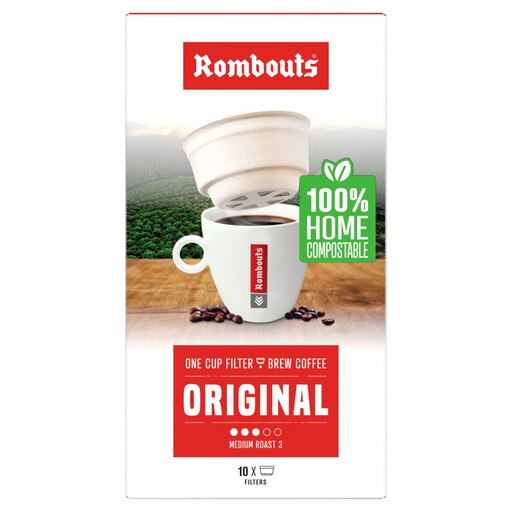
Rombouts Original Compostable One Cup Filter Coffee 70 g
A one-cup filter format to consider for individual preparations rather than a jug-sized batch. The listed pack is 70 g; check its filter count and preparation instructions before working out how many packs a 240-cup plan needs.
View on Joybuy
 No image available
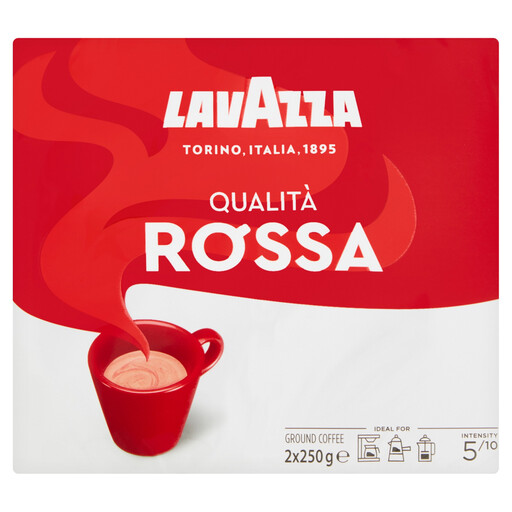
Lavazza Qualità Rossa Ground Coffee 500 g
A 500 g ground-coffee pack described for filter brewing, suitable for considering when coffee is opened in smaller quantities. Staff still need to measure each batch; use the shop’s recipe to calculate the number of packs required.
View on Joybuy
 No image available
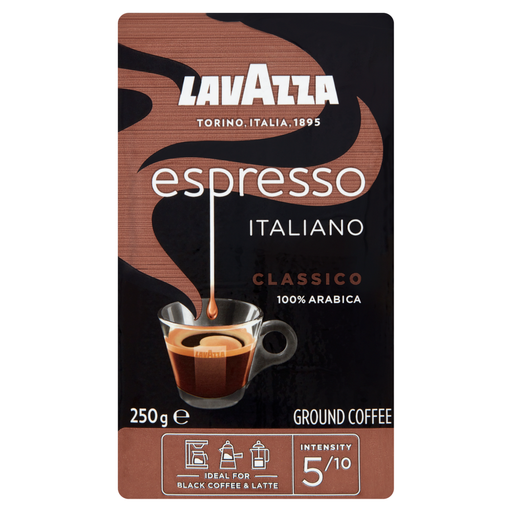
Lavazza Espresso Italiano Classico Ground Coffee 250 g
A 250 g ground-coffee pack for trying a blend or opening coffee gradually. Lavazza UK identifies filter preparation for Espresso Italiano Classico; calculate the total pack quantity from the recipe rather than treating one pack as a set number of cups.
View on Joybuy
 No image available
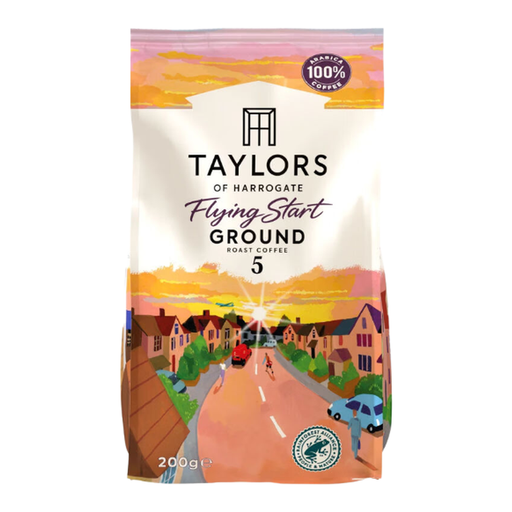
Taylors of Harrogate Flying Start Ground Coffee 200 g
A 200 g ground-coffee pack to consider for a blend trial or slower stock rotation. The product information identifies classic filter preparation; a larger service target calls for a separate quantity calculation and a dosing routine.
View on Joybuy
 No image available
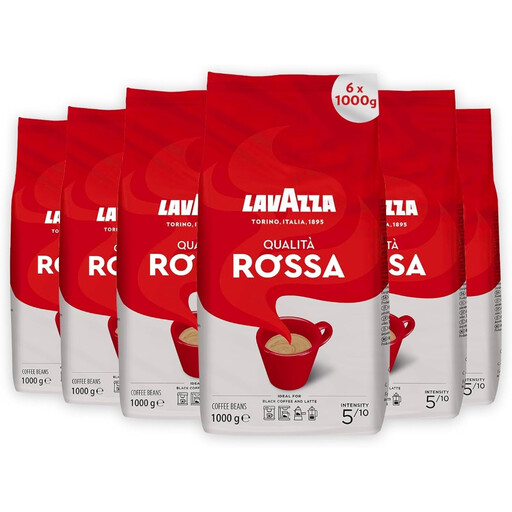
Lavazza Qualità Rossa Coffee Beans Case, 6 × 1 kg
A 6 × 1 kg whole-bean case for a shop equipped to grind coffee for filter brewing. It is not ready-ground: allow for a suitable grinder, repeatable grind and dose, and storage for the case. Compare its 6 kg quantity with the shop’s expected use before ordering.
View on Joybuy
Frequently asked questions
How much coffee should I plan for 240 cups?
For 240 preparations using 250 ml of water each, M&S Food’s starting ratio of 15 g of ground coffee per 250 ml gives about 3.6 kg. Adjust the plan if your water quantity, recipe or machine instructions differ.
Does a carton marked “240” make 240 cups?
Not necessarily: 240 may count papers, coffee portions or another item rather than brewed cups. Vending Superstore lists measured sachets for a 3-pint jug, illustrating why you should check net coffee weight, stated batch yield and whether suitable papers are included.
Should a busy shop choose loose coffee or sachets?
Choose loose ground coffee if staff can measure consistent batches and the shop uses enough to rotate opened packs. Consider pre-portioned sachets if several people prepare coffee and measured batches simplify the routine, but check each sachet against the brewer’s capacity and paper requirements.
How should opened ground coffee be stored?
Follow the directions on the particular pack. Lavazza UK advises keeping its ground coffee in a cool, dry place and resealing it carefully; the identified M&S cup-filter product instead specifies an airtight container for two weeks after opening, preferably refrigerated. Do not apply one product’s opened-pack directions to every coffee.


