
24/7 全天候客户支持

免费退货

当日/次日达

品质保障

开启新人专享福利: 全场免邮 | 低至 2 折 | 免费试用 30 天 JoyPlus 会员
下载 Joybuy
Whether you are organising lecture notes, planning a weekly spread, illustrating a card or filling a colouring book, the right fineliner and fibre-tip pens can make the work cleaner and more enjoyable. The challenge is knowing which specifications matter when product packaging often focuses on colour counts and broad creative claims.
This guide explains the common buying traps, the technical details worth checking and which pen styles suit different users in the UK.
A large set may look good value, but unused shades do not compensate for poor tip control or colours that look too similar on paper. Consider how you will use the pens first. Students may need a compact selection for highlighting and note-taking, while illustrators and journal users may benefit from assorted colour pen sets with more tonal variety.
“Fibre-tip” covers a wide range of tip sizes. A 0.4mm fineliner is designed for precise outlines and small writing, whereas a fibre tip around 1mm produces stronger marks for headings, hatching and general colouring. A broad 3mm tip is more suitable for covering larger areas than for detailed lettering.
Water-based fibre-tip pens can feel smooth and produce bright colour, but their resistance to water varies. Washable ink may be useful for children’s craft sessions, although “washable” does not mean every stain will disappear from every fabric. Conversely, water-based ink may reactivate when brushed with water, which is useful for watercolour-style effects but unsuitable for work that must remain water-resistant.
For technical writing, planners and detailed drawing, look for a fine line width such as 0.4mm. A metal-encased or metal-framed tip can be useful when working with rulers and stencils because it helps the tip maintain contact with an edge without becoming misshapen as quickly.
Medium fibre tips, commonly around 1mm, are more versatile for lettering, outlining and colouring. For broad fills and decorative work, an XL tip of approximately 3mm can reduce the number of strokes needed.
Check whether the set uses water-based, pigment or dye-based ink. Water-based ink is common in art and colouring pens and may offer a smooth flow with relatively simple clean-up. Pigment ink can be preferable for users looking for water and fade resistance, but always check the product description and try a sample on the paper you intend to use.
Paper weight also matters. Thin notebook pages may show ghosting or bleed-through, even when a pen is marketed as suitable for writing. Test a colour on the back page before using it in a finished journal or worksheet.
A barrel should feel secure without forcing your fingers into an awkward position. Hexagonal barrels can offer control and help prevent pens rolling off a desk, while triangular grip zones may support a more stable tripod hold.
Caps should be replaced firmly after use. Some designs offer additional drying protection, but no fibre tip should be left open unnecessarily. Store pens horizontally where the product instructions recommend it, and keep them away from excessive heat and direct sunlight.
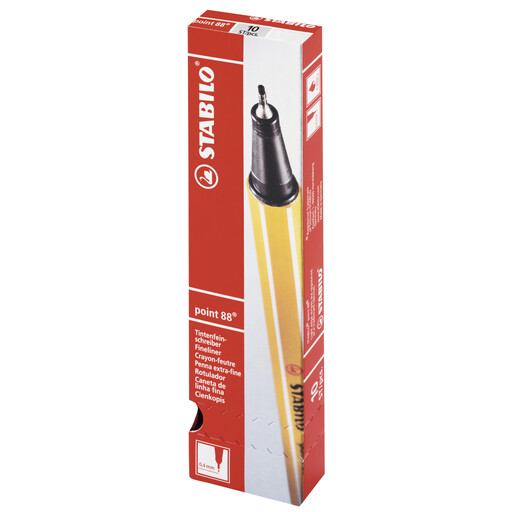
Why This Fits Their Persona: A focused pack of red pens suits students, teachers and home users who need consistent colour for marking, underlining or repeated project work without buying a large assorted set.
The 0.4mm line width is clearly specified, so it is intended for precision rather than broad colouring. The metal-encased tip is also suitable for rulers and stencils.
Hexagonal barrel for control; 10 matching red pens; fine tip for writing, sketching and detailed colouring.
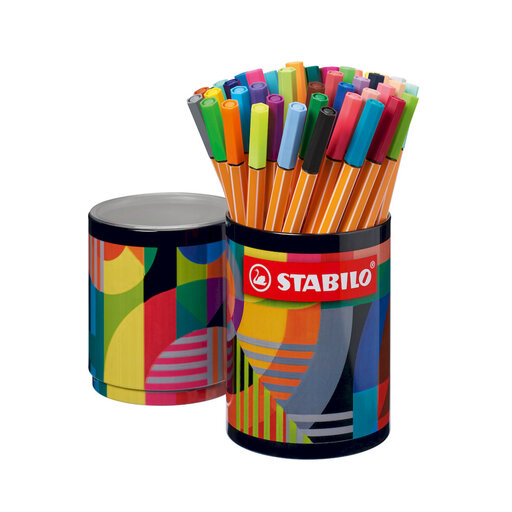
Why This Fits Their Persona: Designers, illustrators and journal users who move between precise outlines, patterns and colour-coded planning may value a wider selection in a reusable tin.
The stated 0.4mm line width avoids uncertainty around precision, while the metal-cased tip is designed for use with rulers and stencils.
45 assorted colours; water-based ink; metal-cased tip and a design specified for detailed creations.
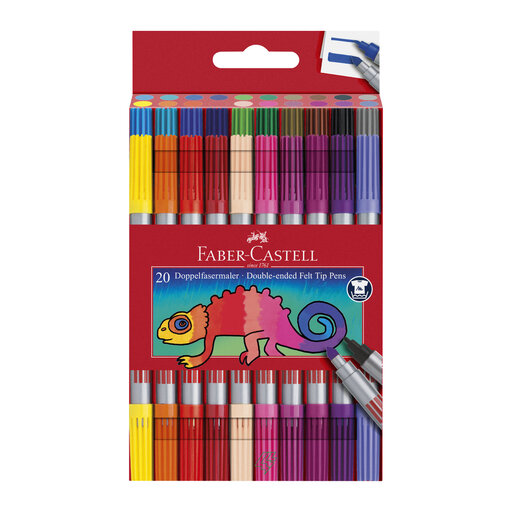
Why This Fits Their Persona: One set can cover fine details and broader fills, making it practical for illustration, colouring books, school craft work and family creative sessions.
The dual-ended format makes the tip roles clear, rather than presenting a large colour count without explaining how the pens handle different tasks.
20 pens with fine and broad tips; water-based ink; washable from most fabrics according to the product information.
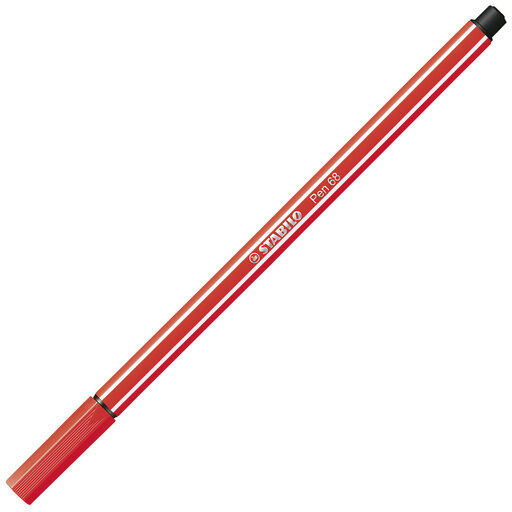
Why This Fits Their Persona: Artists, teachers and creative hobbyists working on larger colouring areas may prefer a broad colour range and a fibre tip designed for strong, even application.
The approximately 1mm M-tip is specified for thick lines, hatching and larger areas, so it is not being selected solely on its colour count.
65 assorted colours; water-based ink; supports brush-and-water effects on suitable watercolour paper.
We have compiled a complete, real-time list of products that fully satisfy these strict selection criteria and UK safety regulations.
Yes. A 0.4mm tip is suitable for small handwriting, underlining, diagrams and detailed planner layouts. It may be less suitable for filling large shapes or writing bold headings, where a medium fibre tip will cover more area.
Lifespan depends on writing pressure, frequency of use, paper texture and whether caps are replaced promptly. Frequent drawing on rough paper can wear a tip faster. A metal-encased tip may offer additional protection, but it does not make the pen immune to drying or wear.
They can, particularly on thin paper or when a colour is layered repeatedly. Test the pen on a spare page first. For journalling and planners, look for paper described as suitable for markers and check both ghosting and bleed-through rather than relying only on the ink description.