
24/7 Customer Support

Free returns

Same-day & Next-day Delivery

Quality Guaranteed

Unlock Your Welcome Offers: FREE Delivery | Up to 80% OFF | Free 30-day JoyPlus trial
Download the APP
Finger snacks cover a wide range of shopping needs, from first foods for babies to chocolate biscuits, multipacks for the cupboard and cook-at-home beef rib fingers. The right choice depends less on attractive packaging and more on age suitability, ingredients, portion format and preparation requirements.
A product described as a “finger” is not automatically suitable for a baby. Chocolate biscuits, sponge fingers and crisp snacks may be too hard, crumbly or sugary for young children. Always check the minimum age guidance, texture and serving instructions.
For baby finger foods, look for products designed to soften or dissolve easily, and follow the packaging guidance about sitting upright and adult supervision.
Labels such as gluten-free, dairy-free or organic can be helpful, but they do not replace reading the full allergen statement. A product may be free from one ingredient while containing another relevant allergen. Recipes and manufacturing details can also change, so check the packaging before serving.
For example, some gluten-free baby snacks may still include warnings for milk or soya, while products containing wheat and egg are unsuitable for people with the relevant allergies.
Large KitKat multipacks and Cadbury Fingers can work well for family cupboards, sharing or packed lunches, but they may not suit someone seeking occasional portion control. Conversely, individually packed baby snacks can be convenient for outings but may offer less value if used daily at home.
Consider pack size, individual portions and storage life before comparing the shelf price alone.
For weaning snacks, check whether the product is marked for 6+, 7+, 9+ or 12+ months. Age guidance reflects the intended texture and stage of eating, but every child develops differently. Babies and toddlers should be seated upright and supervised while eating.
Do not use adult chocolate finger biscuits or ordinary sponge fingers as a substitute for age-specific baby finger foods.
Check the ingredients list for wheat, gluten, milk, egg, soya, nuts and oats, as applicable to your household. A product labelled vegetarian or vegan does not necessarily mean it is free from gluten or common allergens.
Morrisons Sponge Fingers, for example, contain wheat and egg. They are suitable for vegetarians and contain no artificial colours or flavours, but they are not suitable for people avoiding gluten or egg.
For organic toddler biscuits, check both the certification and the ingredient profile. Organix Cocoa & Vanilla Gruffalo Biscuits are described as made with organic ingredients and are suitable for children aged 12+ months, but they contain wheat and oats.
A small pack can make serving easier, but it does not automatically make a product nutritionally suitable for frequent consumption. Compare the per-serving information with the per-100g panel.
For occasional treats, Cadbury Fingers and KitKat bars provide familiar chocolate-and-biscuit formats. For everyday family planning, individual wrappers or small bags can help manage portions and preserve freshness. For beef rib fingers, check whether the product is frozen, the net weight and the cooking method required.
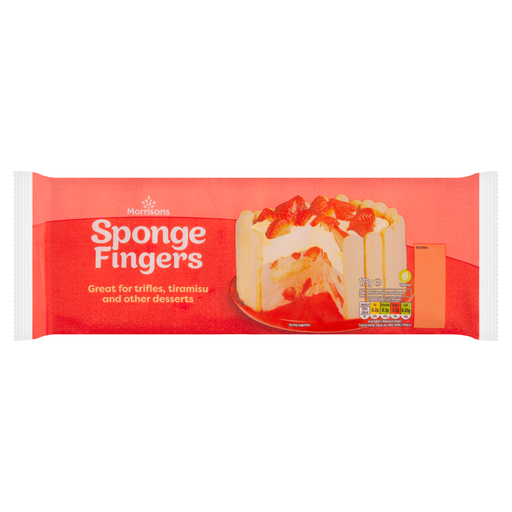
Why This Fits Their Persona: A practical cupboard option for dessert making, afternoon snacks or assembling tiramisu without buying several specialist ingredients.
The 175g pack gives a clear quantity, while the ingredient information identifies wheat and egg rather than leaving allergen checks to guesswork.
Vegetarian-friendly; no artificial colours or flavours; suitable for desserts and light snacking.
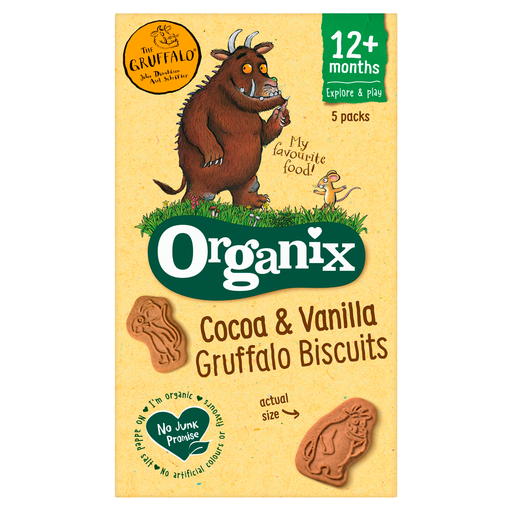
Why This Fits Their Persona: Parents seeking an organic toddler biscuit with individual portions for nursery bags, park trips and supervised snack breaks.
The pack states 12+ months and provides five 20g bags, making age guidance and portioning easier to follow.
Organic ingredients; no added salt; no artificial colours or flavours; suitable for vegetarians and vegans.
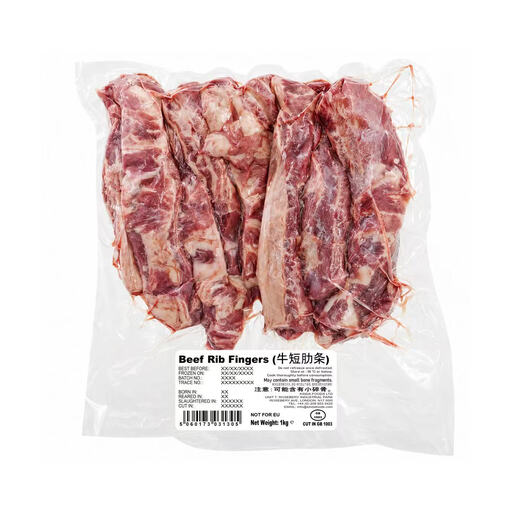
Why This Fits Their Persona: Suitable for home cooks planning Korean-style BBQ, stews, braises or several family meals from one frozen pack.
The listing states 1kg net quantity, boneless beef and frozen storage at -18°C or below, helping shoppers plan cooking and freezer space.
100% beef; no listed additives or preservatives; works with grilling, roasting, braising and slow cooking.
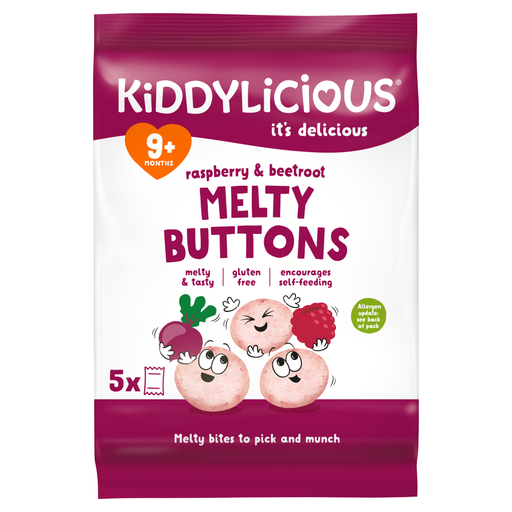
Why This Fits Their Persona: A portable choice for families looking for individually packed weaning snacks with a dissolving texture.
The product is marked 9+ months and gives clear instructions for upright seating and adult supervision.
Gluten-free and dairy-free; five individual 6g packs; no artificial colours, flavours or preservatives.
We have compiled a complete, real-time list of products that fully satisfy these strict selection criteria and UK safety regulations.
For chocolate biscuit lovers, options include Cadbury Fingers, Cadbury White Chocolate Fingers and Cadbury Salted Caramel Fingers. KitKat 2 Finger and 4 Finger packs provide individually wrapped wafer bars for lunchboxes or sharing. Check the stated allergens, sugar content and pack size before purchasing.
For younger children, Kiddylicious Blueberry Wafers marked 6+ months, Ella’s Kitchen Sweetcorn & Carrot Melty Sticks marked 7+ months and Kiddylicious Veggie Straws marked 9+ months provide different textures and flavours. They should be offered only in line with the product guidance.
Some are, but ordinary biscuits and chocolate products are not automatically suitable. Choose age-labelled baby finger foods, check the texture and supervise your child while seated upright. Always read the current packaging before serving.
Age-labelled toddler snacks, such as organic toddler biscuits or fruit-based snacks for 12+ months, can be convenient between meals. Look at portion size, sugar content, allergens and whether the texture matches your child’s ability.
Frozen beef rib fingers should generally be kept at -18°C or below, following the pack instructions. Thaw completely before cooking, do not refreeze after thawing, and use within the stated refrigerated time. Slow cooking, braising, grilling and BBQ-style preparation are common options; cook thoroughly according to the product guidance.