
24/7 Customer Support

Free returns

Same-day & Next-day Delivery

Quality Guaranteed

Unlock Your Welcome Offers: FREE Delivery | Up to 80% OFF | Free 30-day JoyPlus trial
Download the APP
Navigating the world of baby products can feel overwhelming, especially when it comes to choosing a first infant milk. With shelves full of different brands, formats and claims, it's easy to feel lost. As a new parent, you want to make a sound choice for your baby without falling into common purchasing traps that can lead to wasted money and unnecessary stress. This guide is designed to help you understand the essentials and make a confident decision for your family.
Before we look at recommendations, let's address the most common pitfalls new parents in the UK encounter:
To choose wisely, focus on these three core parameters. They cut through the marketing clutter and centre on what truly matters for your newborn milk.
The vast majority of infant formulas are based on cow's milk, which is modified to be nutritionally suitable for babies.
This choice is all about balancing cost and convenience.
UK and EU legislation mandates that all infant formulas contain specific nutrients to support healthy development.
Instead of a one-size-fits-all approach, we've matched different formulas to specific parental needs and lifestyles.
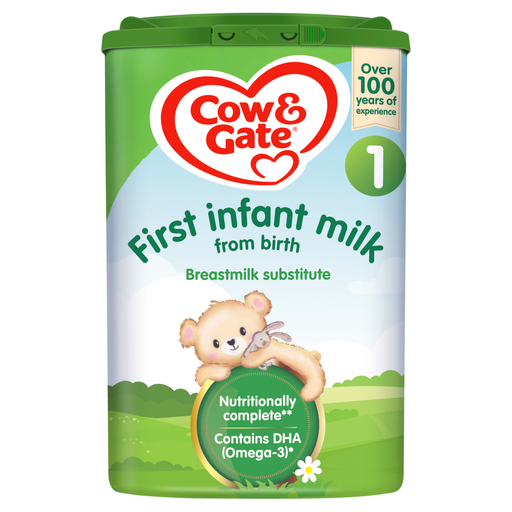
Why This Fits Their Persona: This parent seeks a reliable, no-fuss formula that meets all nutritional requirements without the premium price tag. It's a trusted choice for UK families who prioritise affordability and quality.
It proves you don't need to overspend. This formula is nutritionally complete as per UK law, avoiding the "premium" marketing trap while delivering everything your baby needs.
Cost-effective for daily use. Contains DHA (Omega-3) as required by law and is palm oil-free.
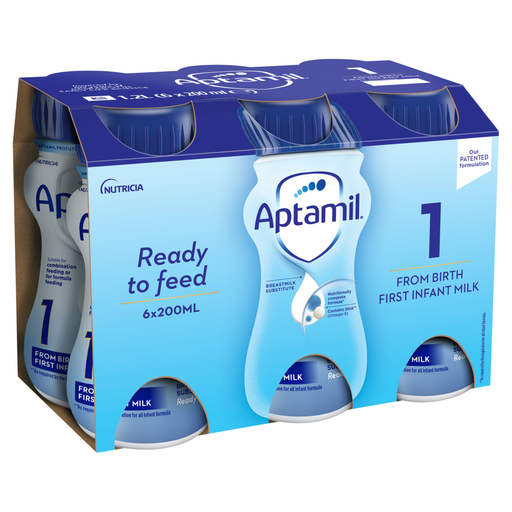
Why This Fits Their Persona: For the parent who is always on the move, juggling multiple tasks or simply wants to make night feeds as simple as possible. This format removes all preparation steps.
It directly solves the format-lifestyle mismatch. By opting for ready-to-feed, parents with a busy lifestyle invest in convenience where it matters most, reducing stress and saving time.
No preparation needed; UHT sterilised for safety. The 200ml bottles are perfect for travel or single feeds.
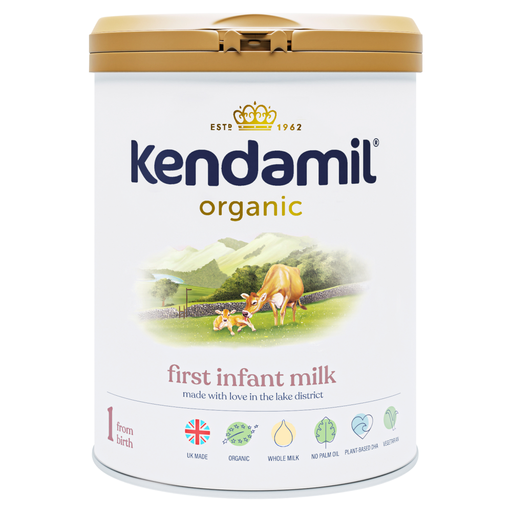
Why This Fits Their Persona: This parent prioritises organic sourcing and specific ingredients. They value a "closer to nature" approach, with a focus on whole milk fats and vegetarian-friendly components.
This is a deliberate choice, not a reaction to trends. It avoids the trap of choosing a speciality formula without reason by offering clear, tangible benefits like organic certification and a unique formulation.
Certified organic with full cream whole milk as a natural fat source. It is also vegetarian-friendly as it uses plant-based DHA and contains no fish oil.

Why This Fits Their Persona: This isn't a formula, but an essential tool for any parent using bottles. It streamlines the feeding process, ensuring milk is warmed quickly, safely and to the perfect temperature every time.
It prevents the common mistake of using a microwave, which creates dangerous hot spots or the slow, inconsistent method of using a jug of hot water. It's a one-off purchase for long-term safety and convenience.
Gentle water-bath heating preserves nutrients. Features a night light for night feeds and an automatic keep-warm function.
We have compiled a complete, real-time list of products that fully satisfy these strict selection criteria and UK safety regulations.
Yes, in general you can switch between brands. As all first infant milk sold in the UK is strictly regulated to ensure it is nutritionally complete, they are very similar in composition. However, some babies have more sensitive digestive systems, so it can be a good idea to introduce a new formula gradually over a few days. If you have any concerns, it is always best to speak with your health visitor or GP.
This depends entirely on your baby's age, weight and appetite. As a very rough estimate, an 800g tin of formula typically makes around 5.9 litres (or about 10 pints) of prepared milk. For a newborn, this might last between one and two weeks, but this duration will shorten as they grow and their feeding demands increase. Always follow the feeding guide on the packaging for your baby's age.