
24/7 Customer Support

Free returns

Same-day & Next-day Delivery

Quality Guaranteed

Unlock Your Welcome Offers: FREE Delivery | Up to 80% OFF | Free 30-day JoyPlus trial
Download the APP
Navigating the world of baby products can be overwhelming, especially when it comes to choosing a first infant milk. The shelves are lined with tins promising advanced formulations and unique benefits, making it difficult to know what truly matters for your newborn. As new or expectant parents, you want to make a sound choice without falling into common purchasing traps.
This guide cuts through the marketing clutter to focus on what is essential. We will highlight the key factors to consider, helping you select a suitable breast milk substitute for your baby, whether for exclusive bottle-feeding or baby formula for combination feeding.
Before you buy, be aware of these common pitfalls:
To make an informed decision, focus on these two fundamental parameters. Understanding them will empower you to see past the marketing and choose based on facts.
In the United Kingdom, the composition of infant formula is strictly regulated. Any product labelled as "first infant milk" or "Stage 1" is legally required to be a nutritionally complete infant milk. This means it can be used as the sole source of nutrition for your baby from birth up to six months.
This regulation ensures a level playing field, guaranteeing that every Stage 1 formula, regardless of brand or price, provides the essential foundation of proteins, fats, carbohydrates, vitamins and minerals your baby needs for healthy development.
While the core nutritional base is standardised, brands differentiate their products through specific ingredients and formulations. Here are the key ones to look for:
Based on these practical considerations, we have matched a few standout products to different parental needs.
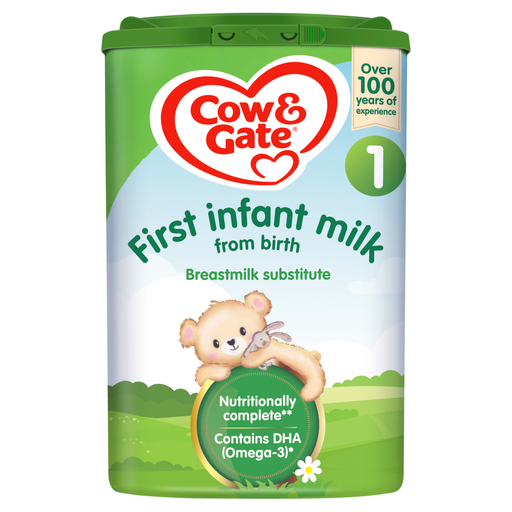
Why This Fits Their Persona: This formula is a trusted household name in the UK, offering complete nutrition that meets all regulatory standards without a premium price. It is a straightforward, reliable choice for parents who want quality and value.
It delivers exactly what is required by law—a nutritionally complete formula—without the confusing "premium" marketing, proving that a higher price does not always mean better for your baby.
This formula is palm oil-free and contains the legally required DHA (Omega-3). It is widely available and consistently one of the more affordable options on the market.
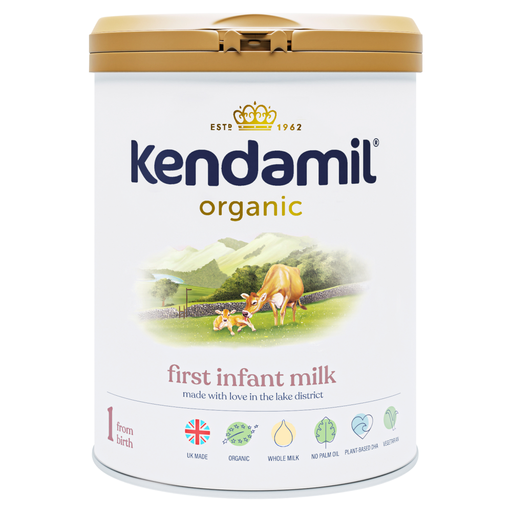
Why This Fits Their Persona: For parents who prioritise organic sourcing and natural ingredients, this British-made formula is an excellent fit. It is certified organic and uses whole milk as a source of fat, appealing to those seeking a less processed option.
Its value is based on verifiable credentials: EU Organic certification, British-sourced whole milk and a palm oil-free recipe. You are paying for specific, transparent production standards, not vague marketing terms.
It is uniquely vegetarian-friendly as it uses plant-based DHA from marine algae instead of fish oil. It is also made without palm oil, using organic whole milk fats.
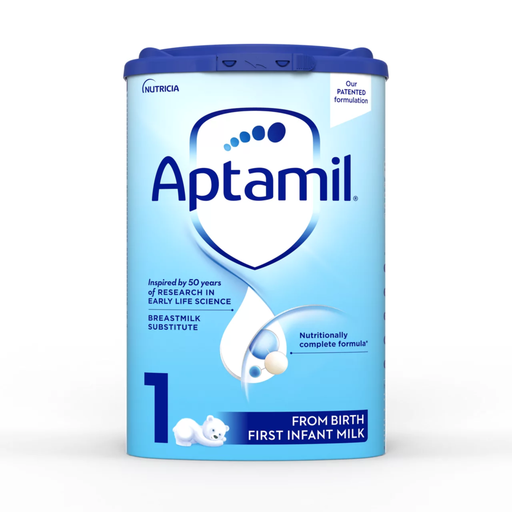
Why This Fits Their Persona: Parents who value brand reputation and ease of use will appreciate this option. According to the manufacturer, it is backed by 50 years of breast milk research, offering peace of mind. The packaging is also designed for practicality.
While positioned as a leading choice, its tangible benefits lie in the brand's extensive research history and the thoughtful packaging, which includes a secure lid and a built-in scoop leveller for accurate, hygienic preparation.
The formula contains a blend of GOS/FOS prebiotics. The 800g tin is designed for user convenience, helping to ensure every feed is prepared precisely and hygienically.
We have compiled a complete, real-time list of products that fully satisfy these strict selection criteria and UK safety regulations.
1. What is the difference between Stage 1 and Stage 2 formula? Stage 1 first infant milk is suitable from birth and is nutritionally complete, meaning it can be your baby's sole food source for the first six months. Stage 2, or follow-on milk, is only suitable for babies from six months onwards and is designed to complement a weaning diet. It has different levels of some nutrients, like iron, and should not be given to newborns.
2. Is it safe to switch between different brands of first infant milk? Yes, it is generally safe to switch between different brands of first infant milk. All Stage 1 formulas sold in the UK must meet the same strict nutritional standards. However, your baby may notice a slight difference in taste or consistency, and it can sometimes take a few days for their digestive system to adjust. If you have any concerns, it is always best to speak with your health visitor or GP.
3. Can all first infant milk be used for combination feeding? Yes. Any Stage 1 baby formula is suitable for baby formula for combination feeding alongside breastfeeding. It provides the same complete nutrition whether it is used for every feed or just some of them.
Disclaimer: Breastfeeding is the recommended method for feeding infants. First infant milk should only be used on the advice of a doctor, midwife, health visitor or other qualified professional responsible for maternal and child care.