
24/7 Customer Support

Free returns

Same-day & Next-day Delivery

Quality Guaranteed

Unlock Your Welcome Offers: FREE Delivery | Up to 80% OFF | Free 30-day JoyPlus trial
Download the APP
Choosing the right nutrition for your newborn is one of the most significant decisions you'll make as a new parent. The shelves are filled with options, and understanding the differences between them can feel overwhelming. Whether you are planning to combination feed or use formula exclusively, finding a safe and nutritionally complete first infant milk is paramount.
This guide is designed to cut through the marketing jargon, providing clear, objective information on what to look for in an infant formula from birth. We will explore the key types of formula available in the UK and highlight some recommended options to help you make an informed choice for your baby.
Important Notice: This information is for guidance only. Health authorities agree that breastfeeding provides the best nutrition for babies. First infant milk should only be used on the advice of a doctor, midwife, health visitor or other professional responsible for maternal and child care.
In the UK, all baby formulas are subject to strict regulations to ensure they are nutritionally adequate for a baby's first months. While this provides peace of mind, there are still key differences to consider.
All stage 1 baby formula is designed to be a suitable breast milk substitute and must legally contain specific nutrients. A key component is DHA (Docosahexaenoic acid), an Omega-3 fatty acid that is essential for the normal development of your baby's brain and eyes. Beyond the mandatory ingredients, you may notice other additions:
The vast majority of newborn baby milk is based on modified cow's milk. However, alternatives are becoming increasingly popular.
Here are a few carefully selected options that cater to different needs and preferences, all of which are nutritionally complete for babies from birth.
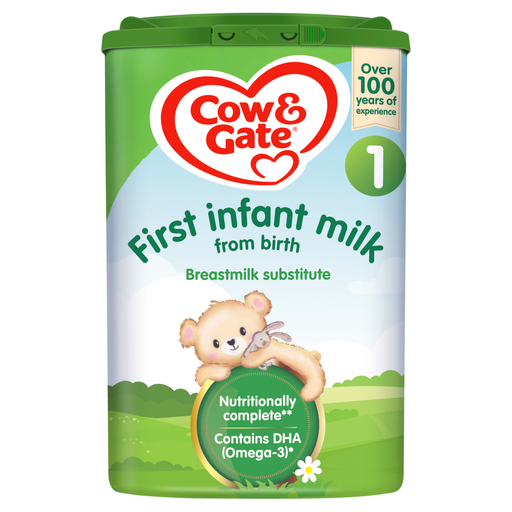
Why It Stands Out: As a long-established name in the UK, Cow and Gate first milk is a trusted choice for many parents. This formulation is nutritionally complete, designed to be the sole source of nutrition from birth. It is also made without palm oil, using a blend of other vegetable oils instead.
Pros:
Who is it for: Parents looking for a reliable, widely available and affordable cow's milk-based formula that offers flexibility for feeding at home or on the go.
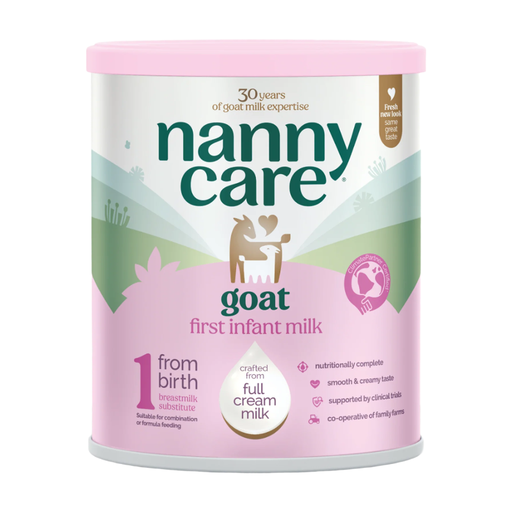
Why It Stands Out: Nannycare offers a goat milk baby formula as an alternative to conventional cow's milk options. Made with high-quality milk from New Zealand goats, it is a gentle, nutritionally complete formula that can be used from birth, either for exclusive formula feeding or combination feeding.
Pros:
Who is it for: Parents who are interested in exploring a goat's milk-based formula as an alternative to standard cow's milk preparations.

Why It Stands Out:Hipp Organic stage 1 is a popular choice for parents seeking an organic baby formula. Produced to high organic standards, this gentle formula uses the finest organic ingredients. According to the brand, it is backed by over 60 years of organic research to provide the essential nutrients your baby needs.
Pros:
Who is it for: Parents who prioritise organic ingredients and sustainable farming practices when choosing their baby's nutrition.
While powdered formula is often more economical for daily use, ready-to-use liquid formulas offer unmatched convenience for night feeds, travel or busy days out. If you need a quick and simple feeding solution, there are many pre-prepared options available.
Explore our full range of convenient, ready-to-use formulas to find the perfect fit for your lifestyle.
Discover Pre-prepared Baby Milk
Stage 1 baby formula, also known as first infant milk, is suitable from birth. Its composition is designed to be the sole source of food for a baby up to 6 months of age. Stage 2, or follow-on milk, is formulated for babies from 6 months onwards and should only be used as part of a varied weaning diet. It has a different nutritional profile, typically containing more iron to meet the needs of a growing baby.
While all UK formulas meet the same strict nutritional standards, it is generally a good idea to stick with one brand if it suits your baby well. The composition, taste and texture can vary slightly between brands, and frequent switching may cause minor digestive upset for some babies. If you need to switch, it is often recommended to do so gradually.
Both cow's milk and goat's milk-based formulas are nutritionally complete and safe for your baby. Goat milk baby formula has a different protein structure which some parents believe is gentler, but this is not a universal experience and is not a suitable alternative for a diagnosed cow's milk protein allergy. The choice between them often comes down to personal preference and how an individual baby gets on with the formula. Always consult a health professional for personalised advice.