
24/7 Customer Support

Free returns

Same-day & Next-day Delivery

Quality Guaranteed

Unlock Your Welcome Offers: FREE Delivery | Up to 80% OFF | Free 30-day JoyPlus trial
Download the APP
Navigating the world of baby products can feel overwhelming, and choosing the right first infant milk is one of the most important decisions for new parents. The shelves are filled with options, each with its own set of claims. As a Joybuy Product Recommendation Officer, my role is to help you see past the marketing jargon and focus on what truly matters for you and your baby. This guide will highlight common purchasing pitfalls and break down the essential factors to consider.
Important Note: Breastfeeding provides the ideal nutrition for babies. Infant formula is intended to replace breast milk when mothers do not breastfeed. First infant milk should only be used on the advice of a doctor, midwife, health visitor or other professional responsible for maternal and child care.
Before you make a choice, it's useful to be aware of a few common traps that can lead to confusion or unnecessary expense.
To make an informed decision, focus on these three key parameters. They will help you narrow down the options to what's most suitable for your baby's needs and your lifestyle.
This is the most practical decision you will make.
The vast majority of newborn milk is based on cow's milk, but there are other options.
While all formulas are nutritionally complete, some parents have preferences regarding certain ingredients.
Based on these practical considerations, here are a few standout options matched to different parental needs.
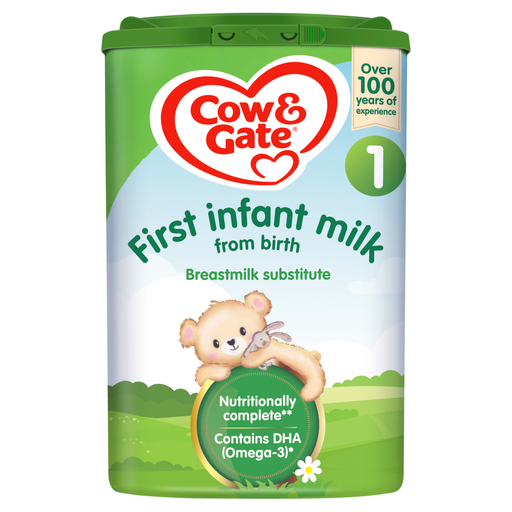
Why This Fits Their Persona: This parent wants a reliable, no-fuss and affordable formula for everyday feeding. They prioritise proven nutrition and value over premium branding.
It provides complete nutrition without the "advanced" price tag. As a widely available powder, it's one of the most economical choices for full-time bottle feeding.
Nutritionally complete and palm oil-free. A trusted, widely used brand in the UK offering excellent value.
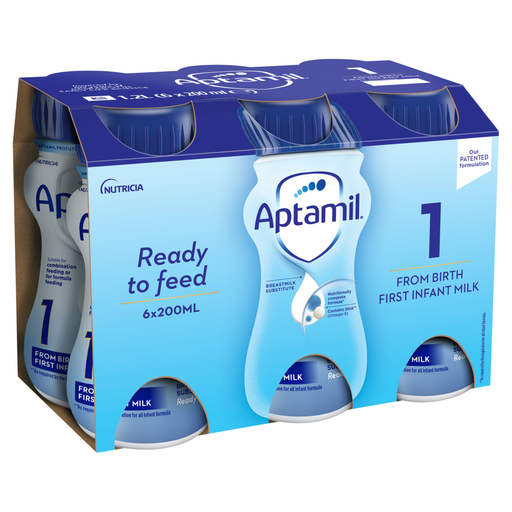
Why This Fits Their Persona: Perfect for parents who are combination feeding, need a quick option for night feeds or are frequently out and about. Convenience is their top priority.
This product embraces the convenience factor head-on. It solves the problem of powder preparation, making it a deliberate, practical choice for specific situations rather than an everyday expense.
UHT sterilised and ready to pour. The 200ml bottles are perfectly sized for a single feed, minimising waste when on the move.
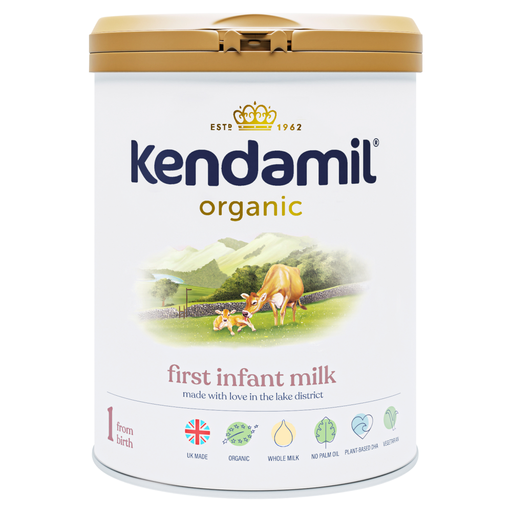
Why This Fits Their Persona: This parent prioritises organic ingredients, sustainability and British sourcing. They are willing to invest in a product that aligns with their values.
This isn't just marketing. It offers clear, verifiable differentiators: it's certified organic, uses whole milk (not just skimmed) and avoids palm oil and fish oil, directly addressing this parent's key concerns.
Made in the UK with organic whole milk. It is also vegetarian-friendly as it uses plant-based DHA.
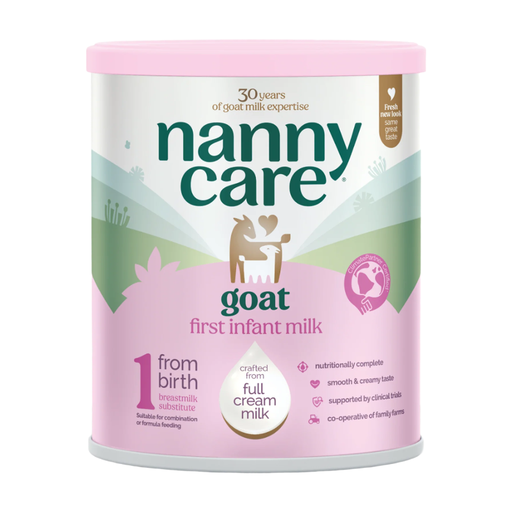
Why This Fits Their Persona: This parent is looking for an alternative to cow's milk-based formulas, often on the advice of a health professional, to see if it suits their baby better.
This is a specific product for a specific purpose. It avoids the vague "comfort" trap by being clearly defined as a goat milk formula, a distinct category of infant milk.
Based on high-quality New Zealand goat milk, which has a different protein composition to cow's milk. It is nutritionally complete for use from birth.
We have compiled a complete, real-time list of products that fully satisfy these strict selection criteria and UK safety regulations.
1. Can I switch between different brands of first infant milk? Yes, all first infant milks sold in the UK are nutritionally complete, so it is generally safe to switch between brands if you wish. However, it is often recommended to introduce a new formula gradually, perhaps by alternating feeds, to allow your baby's digestive system to adjust. If you have any concerns, it is always best to consult your health visitor.
2. How long can I keep prepared formula? For safety, a freshly prepared feed should be used within two hours. If it is not used, it must be discarded. You should never reheat a partially used feed. For ready-to-use liquid formulas, once the main container is opened, it can typically be stored in the fridge for up to 24 hours, but always check the specific product's instructions.
3. Is organic baby formula a better choice? "Better" is subjective and depends on your priorities. Organic formulas are certified to have been produced to high standards of animal welfare and without the use of certain pesticides. Nutritionally, they must meet the same legal requirements as non-organic formulas. For many parents, choosing organic is a lifestyle choice that aligns with their values on sustainability and farming practices.