
24/7 Customer Support

Free returns

Same-day & Next-day Delivery

Quality Guaranteed

Unlock Your Welcome Offers: FREE Delivery | Up to 80% OFF | Free 30-day JoyPlus trial
Download the APP
Choosing the right first infant milk for your newborn can feel like a monumental decision. The shelves are filled with options, each with its own list of ingredients and promises. Whether you are planning to formula-feed exclusively or are looking for a combination feeding formula, the goal is the same: to provide safe and complete nutrition for your baby.
As the Joybuy Product Recommendation Officer, my role is to help you navigate this complex market. This guide cuts through the marketing jargon, offering clear, objective information on what to look for in a newborn baby milk and highlighting some standout options available in the UK.
Important Note: Breastfeeding is widely recommended for infant nutrition. First infant milk should only be used on the advice of a doctor, midwife, health visitor or other qualified professional responsible for maternal and child care.
Before we look at specific products, let's cover a few key points that can help you make a more informed choice. All formulas sold in the UK are subject to strict regulations to ensure they are nutritionally complete and safe for your baby.
Any formula labelled as 'Stage 1' or 'First Infant Milk' is designed to be a sole source of nutrition for babies from birth up to 12 months. UK law mandates that all these formulas contain key nutrients, including DHA (an omega-3 fatty acid), to support normal development. You do not need any other formula for the first six months of your baby's life.
The base ingredient is one of the biggest differentiators between formulas:
Beyond the milk base, you may want to look at other ingredients. For instance, many parents now actively seek a palm oil free formula due to environmental concerns or personal preference. For families following a specific diet, a vegetarian baby formula that uses plant-based sources for its omega-3s (from algae instead of fish oil) is an important consideration.
Here are a few recommendations that cater to different needs and preferences, based on their formulation and features.
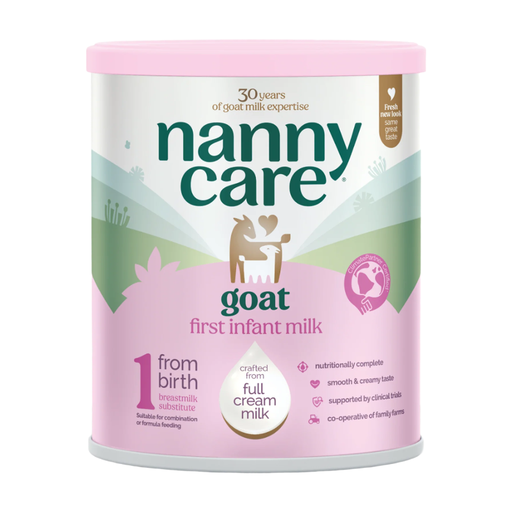
Why It Stands Out: Nannycare Stage 1 is a leading goat milk formula in the UK. It is made with whole goat milk from New Zealand and is designed to be a gentle option. The formulation uses a less processed approach to preserve more of the natural nutrients found in the milk.
Pros:
Who is it for? Parents seeking a cow's milk alternative or those who are interested in the unique properties of goat milk for their baby's first formula.
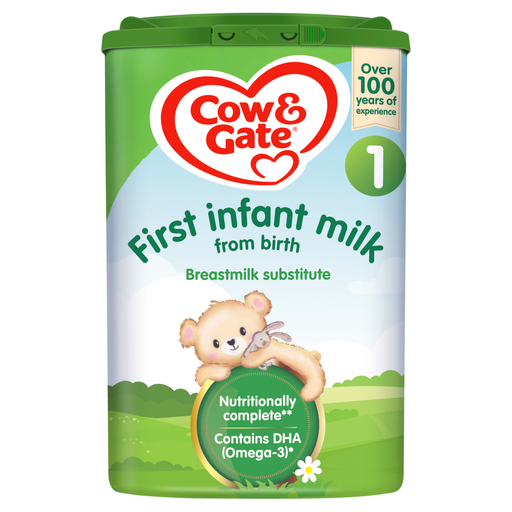
Why It Stands Out: Cow & Gate is a long-standing, trusted name in UK baby nutrition. This stage 1 formula is nutritionally complete and notable for being a palm oil free formula. Its availability in multiple formats, including ready-to-use liquids, offers excellent convenience for busy parents.
Pros:
Who is it for? Parents looking for a reliable and accessible cow's milk-based formula that is also palm oil-free and offers the flexibility of different preparation formats.
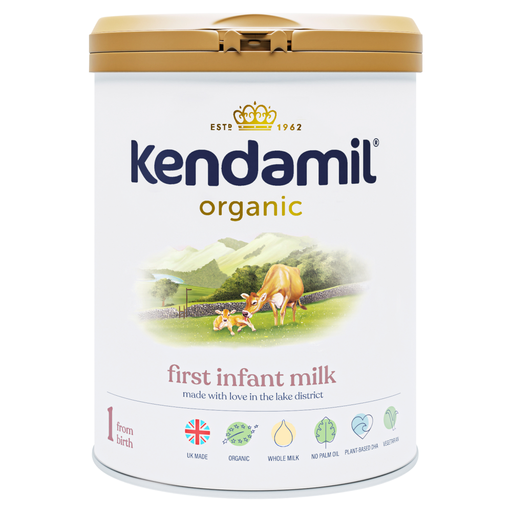
Why It Stands Out: Kendamil stands out for its commitment to British sourcing and organic ingredients. This organic baby formula uses full-cream whole milk from local, organic farms. It is also a vegetarian baby formula, as it uses plant-based DHA from microalgae instead of fish oil.
Pros:
Who is it for? Parents who prioritise organic ingredients, support British farming or require a vegetarian-friendly formula for their baby.
Every baby is different, and the right choice depends on your family's unique needs and your baby's specific requirements. The products highlighted here are just a starting point. If you'd like to compare more brands and types, you can explore our full range of newborn infant formula to find the perfect fit for your little one.
Stage 1 formula, or first infant milk, is suitable from birth and is designed to be the sole source of food your baby needs for the first six months. Stage 2, or follow-on milk, is formulated for babies from 6 months onwards and is intended to complement a weaning diet. It has a different nutritional profile, including higher levels of iron, to support a growing baby who is also eating solid foods.
All infant formulas sold in the UK, whether organic or not, must meet strict legal standards for nutrition and safety. Choosing an organic baby formula is a personal preference. Parents who opt for organic often do so because they value ingredients sourced from farming systems that avoid synthetic pesticides and fertilisers and adhere to high animal welfare standards.
Since all Stage 1 formulas are nutritionally complete, it is generally acceptable to switch between brands. However, each formula has a slightly different composition, so it is often recommended to introduce a new formula gradually over several days to give your baby's digestive system time to adjust. If you have any concerns, it is always best to speak with your health visitor or GP.