
24/7 Customer Support

Free returns

Same-day & Next-day Delivery

Quality Guaranteed

Unlock Your Welcome Offers: FREE Delivery | Up to 80% OFF | Free 30-day JoyPlus trial
Download the APP
Choosing first infant milk formula from birth can feel confusing when tins, ready-to-feed bottles and specialist products all use similar language. The right choice depends less on impressive-sounding claims and more on your baby’s age, feeding pattern, dietary requirements and your preparation routine.
Breastfeeding is best for babies, but first infant formula can be used when babies are not breastfed, or alongside breastfeeding for combination feeding. Always follow the label and ask a midwife, health visitor, pharmacist, GP or paediatric dietitian if you are unsure.
All legally marketed first infant formula products in the UK must meet compositional requirements. A more expensive baby milk formula may offer features such as organic certification, a particular milk source or a convenient format, but this does not automatically make it more suitable for your baby.
Compare the practical details instead: age suitability, ingredients, pack size, preparation method and cost per feed.
Products described as lactose-free baby formula, anti-reflux baby formula or comfort milk for colic and constipation are not general alternatives to standard formula. They are often foods for special medical purposes and may contain altered carbohydrates, thickeners or hydrolysed proteins.
For example, Aptamil Lactose Free states that it should be used under medical supervision. Specialist formula should be selected with appropriate healthcare guidance rather than solely because a baby is unsettled or spits up occasionally.
Infant milk powder usually offers a practical option for regular home feeding, but it must be measured and prepared safely for every feed. Ready-to-feed baby milk requires no mixing, which can be useful for hospital bags, travel, night feeds or occasional top-ups, but opened liquid must be handled and stored according to the label.
A convenient bottle is not automatically cheaper. Compare pack volume with how much your baby actually drinks and check the use-by or best-before information before buying multiples.
Look for wording such as “from birth”, “first infant milk” or “stage 1 infant formula”. Standard first milk is generally suitable from birth and can be used as part of weaning from around six months, subject to professional advice and the product label.
Do not confuse first infant milk with follow-on milk. Moving to a later stage is not required simply because a baby reaches a particular age; discuss feeding changes with a healthcare professional.
Most standard formulas contain cow’s milk ingredients and may include fish oil or soya lecithin. Read the full ingredient list if your family needs a vegetarian, Halal, organic or fish-oil-free option.
For example, selected Kendamil products use algae-derived DHA rather than fish oil, while SMA Extra Hungry lists DHA from microalgae and is described as Halal certified. These are objective dietary features, but suitability still depends on your baby’s individual needs.
For powdered bottle-feeding formula, wash hands and sterilise equipment according to the manufacturer’s instructions. Use freshly run tap water, boil it and allow it to cool for the time stated on the pack. Measure water first, then add level scoops using the supplied scoop. Never guess the ratio or add extra powder.
Powdered formula is not sterile. Prepared feeds should generally be made as needed, cooled safely and discarded within the timeframe on the label. Opened powder commonly needs to be used within four weeks and stored in a cool, dry place rather than the refrigerator.
Thickened products, such as anti-reflux formulas, may require a fast-flow teat. Do not combine them with other thickeners or antacids unless instructed by a healthcare professional.
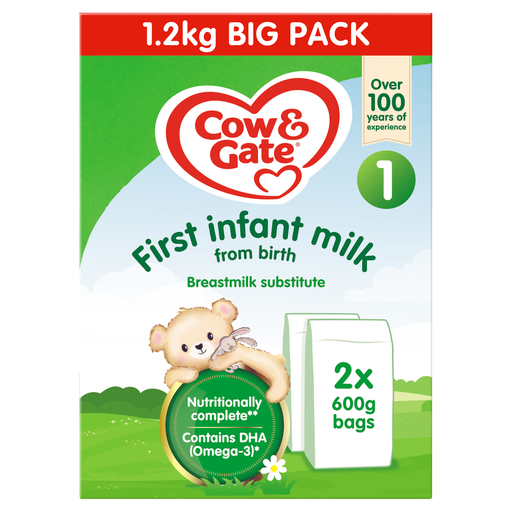
Why This Fits Their Persona: A twin-pack format suits families establishing a regular powder-feeding routine and comparing value by total weight.
It is clearly labelled as nutritionally complete from birth, avoiding confusion with a later-stage product.
2 x 600g format; contains GOS and FOS; suitable from birth to 12 months according to the product description.
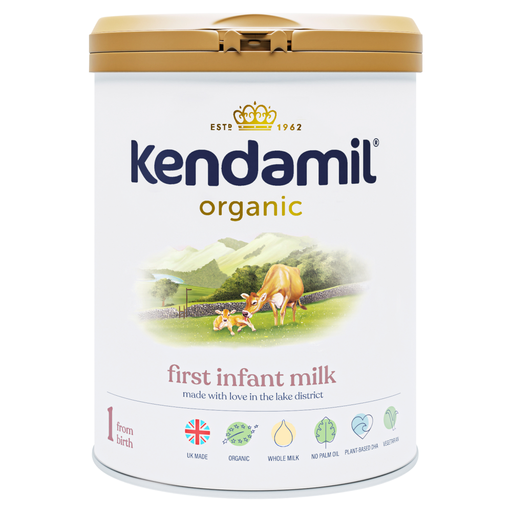
Why This Fits Their Persona: Suitable for parents prioritising organic certification and a vegetarian-friendly ingredient profile.
The organic status and from-birth stage are stated directly, so shoppers can check both rather than rely on premium packaging.
800g tin; organic whole milk; plant-based DHA from algae; no palm oil or fish oil listed.
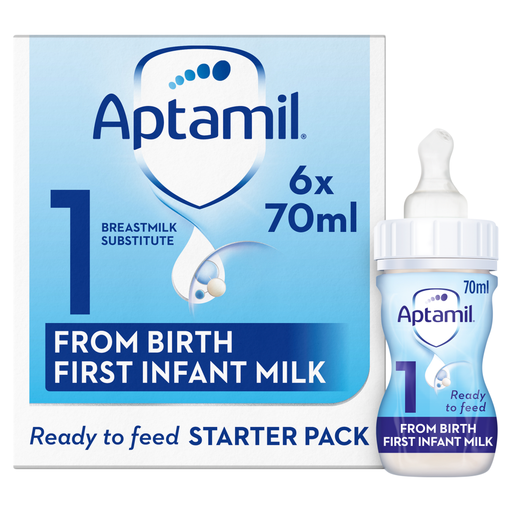
Why This Fits Their Persona: Small ready-to-feed bottles are practical for a hospital bag, short trips and occasional night feeds.
It avoids measuring errors because the liquid is pre-prepared; unopened bottles still need correct storage.
Six 70ml UHT-sterilised bottles; supplied with six teats; suitable from birth.

Why This Fits Their Persona: A specialist option for families who have been advised to use thickened formula for frequent regurgitation.
It is clearly presented as a food for special medical purposes, rather than an everyday upgrade for every newborn.
800g powder; contains potato starch; partially hydrolysed whey protein; use under professional guidance.
We have compiled a complete, real-time list of products that fully satisfy these strict selection criteria and UK safety regulations.
First infant milk is generally suitable from birth and may remain the main milk during the first year, including alongside weaning from around six months. Check the specific product label and ask a healthcare professional before changing formula or introducing specialist milk.
Ready-to-feed formula often costs more per 100ml because it is prepared and packaged for convenience. Powder can be more economical for frequent feeds, while liquid bottles may reduce waste and preparation time for occasional use. Compare the total volume, not only the pack price.
Sterilise feeding equipment, use freshly boiled water cooled according to the pack instructions, measure water before powder and use level scoops only. Prepare feeds as required and discard unfinished milk within the stated timeframe. Never microwave a feed, as hot spots can cause scalding.