
24/7 Customer Support

Free returns

Same-day & Next-day Delivery

Quality Guaranteed

Unlock Your Welcome Offers: FREE Delivery | Up to 80% OFF | Free 30-day JoyPlus trial
Download the APP
As a pet owner in the UK, navigating the world of pet food can feel overwhelming. Labels are often filled with appealing images and bold claims, but the reality of what’s inside the bag can be confusing. When it comes to fish based pet food, the promises of shiny coats and healthy joints are particularly common. But how do you separate genuine nutritional value from clever marketing?
My role as a Joybuy Product Recommendation Officer is to help you see past the hype. Let's look at the common pitfalls many shoppers fall into and how you can make a more informed choice for your furry or finned family member.
To avoid these traps, focus on a few core parameters when you check the packaging. This will give you a much clearer picture of the product's quality.
The ingredient list is your most powerful tool. Ingredients are listed by weight, so what you see first is what the food contains most of.
This is a critical distinction for your pet's health.
For specific health needs, look for targeted ingredients. If you're buying a hypoallergenic dog food, a single, novel protein source like white fish can be beneficial. For joint support, look for added glucosamine or green-lipped mussel. For skin health, check that the omega-3 is from a specified fish oil source.
Instead of a one-size-fits-all approach, the right food depends on your pet's unique needs. Here are a few options matched to different types of UK pet owners.
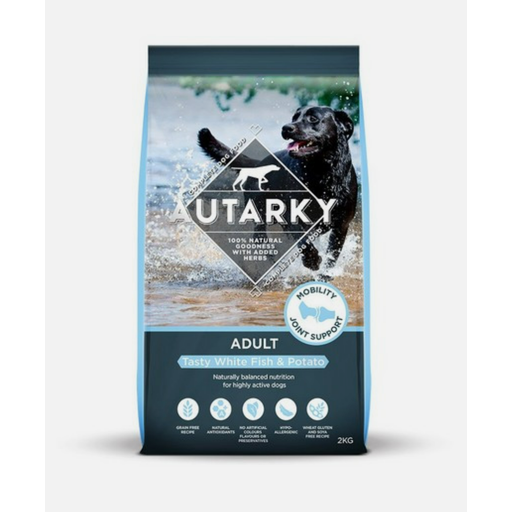
Why This Fits Their Persona: This owner actively seeks out hypoallergenic and grain-free options to manage their dog's sensitivities. They prioritise joint health for their active dog and appreciate natural ingredients without artificial additives.
It avoids the "vague fish" trap by using named white fish meal and freshly prepared fish as its primary protein. It also sidesteps the "grain-free filler" issue by using nutritious alternatives like sweet potato and peas, rather than just empty starch.
Includes a joint care package with glucosamine and green-lipped mussel. The formula is hypoallergenic, free from common allergens like wheat-gluten and soya.
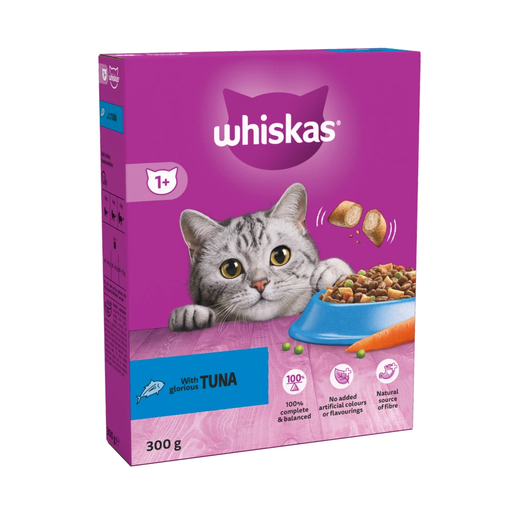
Why This Fits Their Persona: This owner needs a reliable, affordable and nutritionally complete food for their adult cat. They value trusted brands and look for formulations that support common feline health concerns, like urinary tract health, without needing specialist diets.
It is clearly labelled as a 100% complete and balanced food, removing any confusion between a main meal and a treat. While it uses derivatives, it specifies "4% Tuna in the Brown Kibbles", providing a degree of transparency for the price point.
Formulated with balanced minerals to support lower urinary tract health. Contains added Vitamin A for vision and Zinc for a healthy skin and coat, offering clear functional benefits.
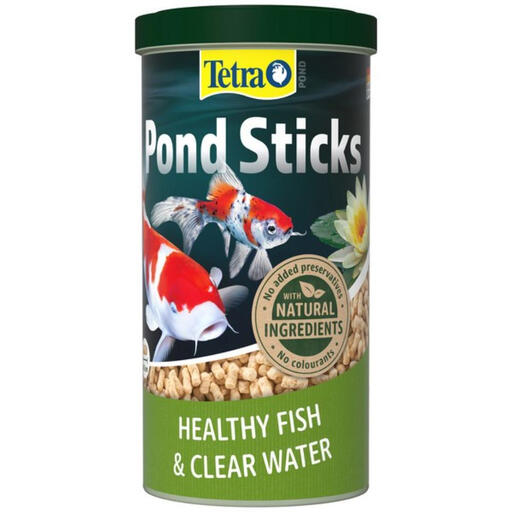
Why This Fits Their Persona: This person is focused on the overall health of their pond ecosystem, not just the fish. They need a food that is easy for fish to eat and digest, as uneaten or poorly digested food can pollute the water and cause algae blooms.
It directly addresses a key pond-keeper pain point: water clarity. The formula is designed to be "highly digestible", which helps reduce fish waste and keep the pond water cleaner, a factor often overlooked in basic fish food marketing.
These pond fish food sticks soften quickly for easy consumption. The formula is a complete, balanced diet containing all essential nutrients, vitamins and trace elements for pond fish.
We have compiled a complete, real-time list of products that fully satisfy these strict selection criteria and UK safety regulations.
The key is a gradual transition to avoid digestive upset. Over 7-10 days, slowly mix the new food with their old food. Start with a ratio of 25% new food to 75% old food. Every couple of days, increase the proportion of the new food until you have fully switched over.
Yes, but it is vital to choose a formula specifically designed for their life stage. Puppies and kittens have different nutritional requirements for growth and development, including higher levels of protein, fat and specific minerals like calcium. Always look for a product labelled "puppy", "kitten" or "all life stages".
Not necessarily. While strong-smelling food can have a temporary effect, persistent bad breath in pets is more often linked to poor dental hygiene and plaque build-up. High-quality, digestible fish-based foods shouldn't cause long-term issues. If you are concerned, regular tooth brushing and dental check-ups are the most effective solution.