
24/7 Customer Support

Free returns

Same-day & Next-day Delivery

Quality Guaranteed

Unlock Your Welcome Offers: FREE Delivery | Up to 80% OFF | Free 30-day JoyPlus trial
Download the APP
Finding the right food for your feline companion can be a challenge, especially if they have a discerning palate or specific dietary needs. Many UK cat owners are turning to fish cat food for its high palatability and nutritional benefits. Fish is a fantastic source of protein and Omega fatty acids, which can contribute to a healthy skin and a glossy coat.
This guide is designed to help you navigate the options, from wet cat food pouches to high protein cat food kibbles. We will look at key factors to consider when shopping and highlight a few popular choices to help you make an informed decision for your cat's mealtimes.
Before you fill your basket, here are a few practical points to consider. Understanding these will help you read labels and choose a food that genuinely meets your cat's needs.
When you pick up a cat food pouch or tin, you will see it labelled as either 'complete' or 'complementary'.
The quality of a cat food is largely determined by its ingredients. As obligate carnivores, cats thrive on diets rich in animal protein. When looking at natural cat food, check the composition list for:
The choice between wet cat food and dry cat food often comes down to your cat's preference and health requirements.
Many owners find that a mixed-feeding approach, offering both wet and dry food, provides a good balance of hydration, dental benefits and variety.
Here are a few different types of fish-based cat food that cater to various needs and preferences.
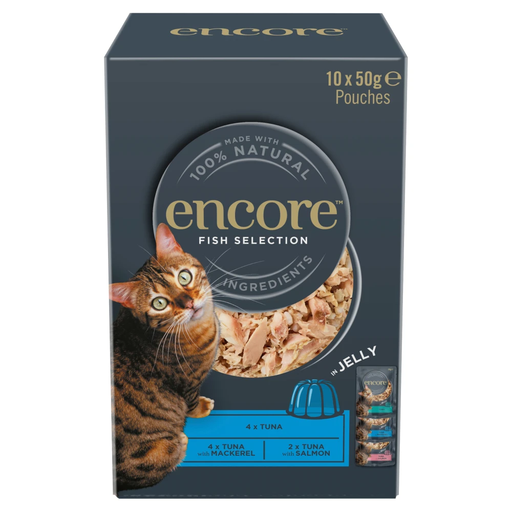
Why It Stands Out: This complementary food is defined by its exceptionally high fish content. With recipes containing up to 60% real fish, it offers a significant protein boost. The simple, natural ingredient list—primarily fish, rice flour and a gelling agent—makes it a clean and straightforward choice for supplementing your cat's diet.
Pros:
Who is it for: Cat owners who want to enhance their cat's regular complete dry food with a high-quality, protein-rich wet food topper.
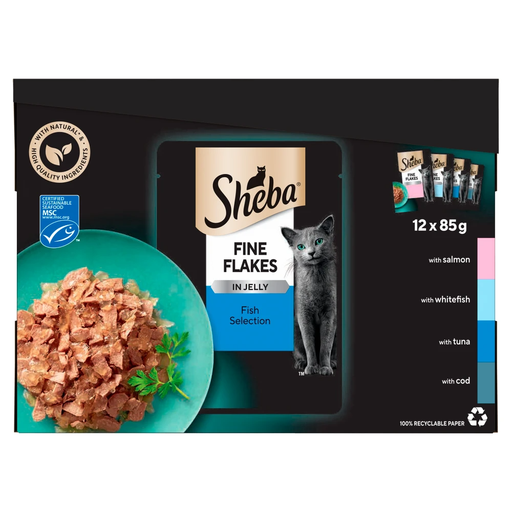
Why It Stands Out: This is a complete and balanced wet cat food, meaning it can be served as your cat's main meal. The fine flakes in jelly are designed for a delicate texture that appeals to even particular eaters. This multipack cat food offers four different fish varieties (Salmon, Whitefish, Tuna and Cod), providing welcome variety to keep mealtimes interesting.
Pros:
Who is it for: Owners looking for a convenient, complete cat food pouch solution that offers variety and is formulated to please cats with refined tastes.
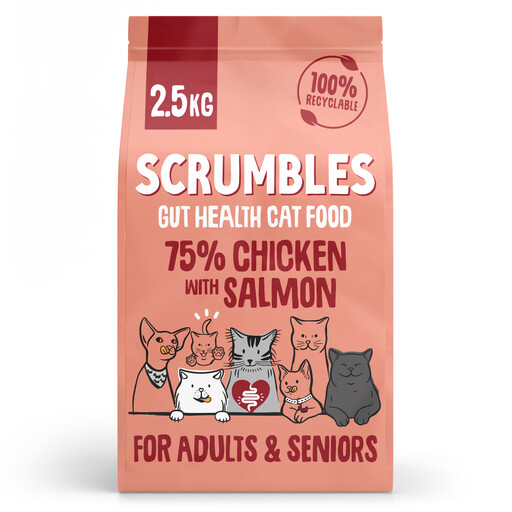
Why It Stands Out: This dry cat food is a great option for those prioritising digestive health. It combines a high protein content from 75% chicken and salmon with added probiotics to support a healthy gut. The formula is also free from common allergens like gluten, soy and dairy, making it a strong candidate for cat food for sensitive stomachs.
Pros:
Who is it for: Owners seeking a premium, high-protein salmon cat food kibble that actively supports digestive health, suitable for cats from kitten to senior age.
The products highlighted here are just a snapshot of what is available. Every cat is an individual, and finding their perfect match might require exploring different textures, flavours and formulas.
If you would like to see more choices, from different fish combinations to specialised diets, you can browse our full range.
Explore Our Complete Fish Mix Cat Food Collection
Yes, provided it is a 'complete' food. Complete fish-based diets are formulated with all the necessary vitamins, minerals and nutrients, like taurine, that a cat needs daily. Complementary fish foods, while high in protein, are not balanced for everyday feeding and should be given as part of a varied diet alongside a complete food.
For many cats, yes. Fish is a highly digestible protein. A cat food for sensitive stomachs will often use a single, high-quality protein source like salmon and avoid common irritants such as wheat, soy and dairy. Look for formulas that also include prebiotics or probiotics, as these can further support gut health and improve digestion.
'Salmon cat food' indicates that salmon is a key ingredient, which is a specific, named protein source. This transparency is often a mark of a higher-quality food. 'Fish and fish derivatives' is a legally permitted term for a mix of fish parts that can vary between batches. While not necessarily bad, it does not offer the same level of clarity about what your cat is eating.