Carers planning repeat dinners
Countable fish fingers can make it easier to take out portions for several meals. Check the pack’s storage and cooking directions, and inspect each cooked serving for bones.


Choose countable fish fingers if quick, repeatable portions matter most and the current ingredients suit your household. Choose plain frozen fillets if you want to decide how to prepare and portion the fish, allowing for any thawing the pack requires. With either format, follow its cooking instructions, check the cooked serving for bones and let it cool before serving.
Countable fish fingers can make it easier to take out portions for several meals. Check the pack’s storage and cooking directions, and inspect each cooked serving for bones.
Compare the ingredients on the exact pack, especially when switching recipes or pack sizes. Breaded fish may contain wheat as well as fish; the Food Standards Agency says allergens in UK prepacked food must be emphasised in the ingredients list.
Plain fillets leave the coating, seasoning and serving size to the cook. Check the fish species and preparation directions rather than assuming every fillet can be cooked straight from frozen.
Choose when: You want pieces that are straightforward to portion for repeat dinners and have room to store the pack frozen.
Bear in mind: Coatings add recipe-specific ingredients, and a fish-finger shape does not rule out occasional bones.
Choose when: You want to prepare your own coating, seasoning or portion from the fish.
Bear in mind: Portioning takes more work, and the exact pack may require thawing before cooking.
Start with the format you would use regularly, then check the exact pack for the conditions that affect preparation and serving.
| Priority | What to check | Your needs |
|---|---|---|
| Cooking method | Read whether the exact pack calls for cooking from frozen or thawing first. Follow its method and check that the fish is thoroughly cooked. | On a busy evening, I need preparation steps that fit the time I have. A fillet needing refrigerator thawing would call for more planning. |
| Bones and portions | Look for a bone warning even on a boneless-labelled product. Inspect and break up the cooked fish into manageable pieces before serving. | I want to check the portion myself rather than rely on a fish-finger shape or a boneless description. |
| Ingredients | Check the current ingredients list for fish and any other relevant allergens. Coatings and sauces vary; a plain-looking format does not replace a label check. | When a recipe changes, I need to know what is in this particular pack, not just what I bought from the same brand before. |
| Freezer fit | Compare piece count or fillet size with net weight, available freezer space and the pack’s storage instructions. Check any direction about refreezing after defrosting. | A larger pack only helps if it fits my freezer and I can use its portions while keeping the rest stored as directed. |
Sainsbury’s and Birds Eye both warn on their cod fish-finger product information that some bones may remain despite removal efforts.
Inspect and flake or cut each cooked toddler serving before giving it to the child.
Fish and wheat appear in the cited breaded cod examples, but ingredients depend on the exact recipe. The Food Standards Agency says allergens in UK prepacked food must be emphasised in its ingredients list.
Read the current pack when changing product or pack size; do not judge suitability from a brand name or photograph.
A pack needs enough freezer space and a storage routine that follows its directions. Birds Eye’s cod fish-finger instructions specify storage at −18°C or cooler and say not to refreeze after defrosting.
Compare net weight, count and likely meal use, then follow the storage directions on the pack you buy.
Cod is a white fish. NHS guidance says to try to give young children at least one portion of oily fish, such as salmon, mackerel or sardines, each week; cod fish fingers do not fulfil that oily-fish description.
Check the species on the pack when planning different fish meals.
These examples show how pack formats and recipes can differ; assess the current product label rather than the brand alone.
Its UK range includes cod fish fingers and larger packs listed by Tesco.
Young’s lists natural frozen fish fillets as well as prepared seafood products.
Tesco’s frozen fish-finger and fish-cake listing includes own-label and branded products.
Its Cod Fish Fingers x30, 900g is a specifically listed large-pack example.
M&S lists cod, haddock, jumbo and Made Without Wheat fish-finger varieties.
These options include plain fish pieces for preparing your own portions and countable coated fish products. The coated fillets are a separate prepared format, not plain fillets; compare each pack’s ingredients and cooking directions with the dinner you plan to make.
 No image available
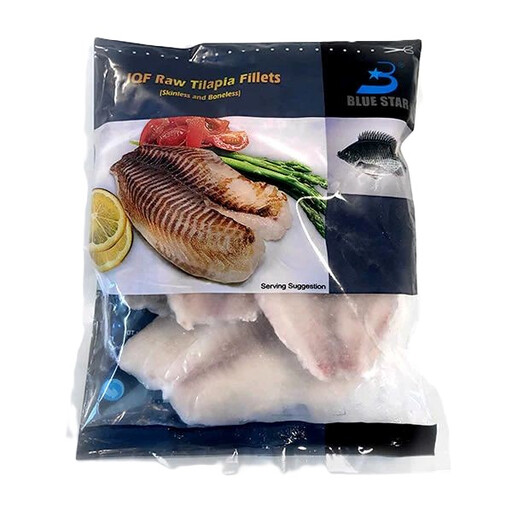
Individually quick-frozen fillets offer separate pieces for preparing a portion. The listing describes skinless and boneless raw tilapia with a stabiliser, in a 720g net pack. Cook thoroughly and inspect the cooked fish: the product information warns that bones may remain. Check the pack for its cooking method before use.
 No image available
These skinless and boneless frozen fillets provide a plain fish base in a 1kg total pack containing 800g net fish. The listed instructions call for thawing in the refrigerator before cooking, so plan ahead rather than assuming a from-frozen method. Check the current pack directions and inspect the cooked portion for bones.
 No image available
The ten-piece pack offers countable portions, though its 280g size is distinct from the larger fish-finger packs discussed above. The description identifies Alaska pollock, a breadcrumb coating, and fish and wheat allergens. Follow this pack’s cooking directions until piping hot, then check the cooked serving for bones.
 No image available
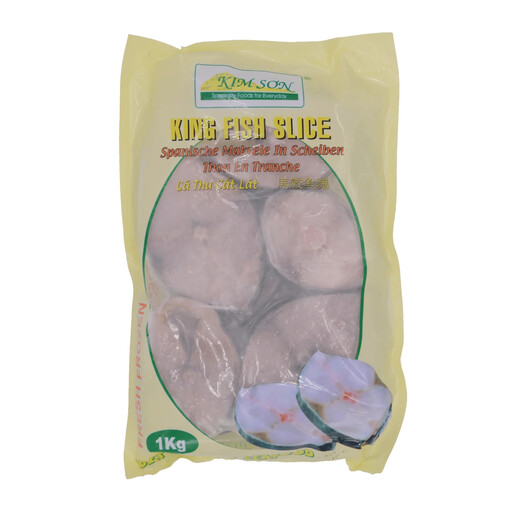
Pre-sliced raw fish offers pieces to prepare for different meals rather than a breaded portion. The listed ingredient is king fish, and the product description says small bones may be present. Cook thoroughly using the pack directions and inspect each cooked toddler serving.
 No image available
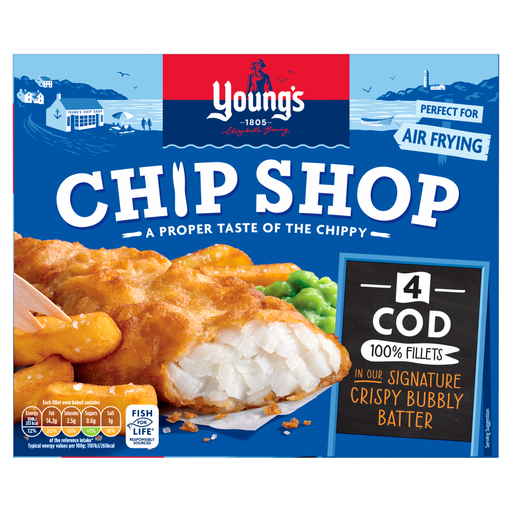
Four battered fillets provide countable portions, but this is a prepared recipe rather than a plain-fillet option. The description gives from-frozen oven directions and lists fish, wheat and mustard among the allergens; follow the current pack and inspect the cooked fish for bones. Its listed nutrition table gives 1g salt per oven-baked fillet, which can be considered alongside the rest of the meal.
Fish fingers can be an option if the exact product fits the child’s dietary needs. Follow its pack instructions until the fish is thoroughly cooked, let it cool, break it into manageable pieces and check for bones; Sainsbury’s and Birds Eye both give bone warnings for their cited cod fish fingers.
No: cod is a white fish. NHS guidance says to try to give young children at least one oily-fish portion a week and names fish such as salmon, mackerel and sardines. Check the species on any fish product rather than judging by its coating or shape.
Check the exact product for fish and for recipe-dependent ingredients such as wheat in a coating. The Food Standards Agency says UK prepacked food must have an ingredients list with allergens present emphasised in it. Read the current label against the child’s relevant dietary restrictions.
Follow the directions on the exact pack. Birds Eye says not to refreeze its cited cod fish fingers after defrosting and specifies freezer storage at −18°C or cooler; do not assume another product has identical instructions.
Choose plain fillets when you want to decide how to season, coat and portion the fish yourself. Check whether that pack requires thawing, follow its cooking directions and inspect the cooked portion for bones. Fish fingers may suit evenings when countable pieces and the pack’s preparation method fit your routine.