Owners replacing a missing or unreliable oven
The choice starts with the kitchen: can it accommodate a permanent installation, or does it need a countertop appliance that can be placed without altering the cabinets?


Choose a countertop oven if the cottage needs a flexible cooking setup and your fish-pie dish fits its usable tray and cavity. A model with hotplates can provide a separate place to prepare sides, while a larger two-level countertop oven suits meals needing another tray if there is enough worktop space and a suitable electrical supply. Choose a built-in oven for a permanent kitchen installation only after checking the exact cabinet and electrical requirements.
The choice starts with the kitchen: can it accommodate a permanent installation, or does it need a countertop appliance that can be placed without altering the cabinets?
They need to check the space available for the actual pie dish and decide whether a second cooking level or separate hotplates would help prepare the rest of the meal.
Understandable controls and practical cleaning matter when different people use the kitchen. Hosts also need a way to check the centre of a thick pie before serving, rather than judging it by the topping alone.
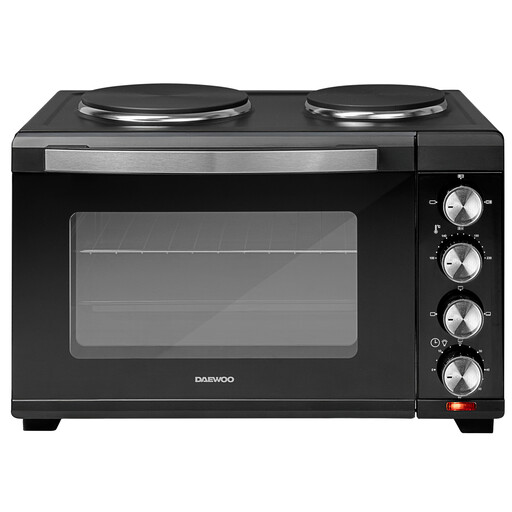
Choose when: The cottage needs an oven without a built-in installation, with separate hotplates for simple sides. Russell Hobbs positions its 22780 Mini Kitchen for use in a second home.
Allow for: The actual pie dish must fit, and using the oven and hotplates requires attention to the electrical supply.
Choose when: You regularly want to cook a pie and another tray in a kitchen that cannot take a built-in oven. SharkNinja lists two-level cooking for the Ninja DT200UK.
Allow for: The DT200UK is listed at H33.5 × W43.5 × D50.5 cm and 2400 W; check its placement and electrical requirements before choosing it.
Choose when: An owner-managed cottage is getting a permanent kitchen installation rather than a movable appliance.
Allow for: The cabinet opening, ventilation and electrical connection must meet the exact model's installation instructions; a nominal size alone cannot establish fit.
| Concern | What to check | Who this matters to |
|---|---|---|
| Pie-dish and meal fit | Compare the dish's outside dimensions with usable tray and cavity space; check that the door can close. | I need the dish I actually use to fit before extra cooking functions matter. Around 36% of consumers choosing for this cottage meal put dish and meal fit first. |
| Flexible countertop setup | Check the footprint, clearances in the manual and the suitability of the socket and circuit. | If I cannot alter the kitchen cabinets, I need a workable place to bake and perhaps prepare sides. For around 29% of consumers, a flexible setup is the primary need. |
| Permanent kitchen fit | Match the exact appliance and cabinet dimensions, installation instructions and electrical connection. | I am refitting the cottage kitchen and need an oven that can be installed in the available housing. Permanent installation comes first for around 21% of consumers. |
| Cleaning and safe use | Review the controls and cleaning instructions, and follow the food's cooking or reheating guidance. | When different people use the cottage, I want straightforward cleanup and a reliable way to check the pie's centre before serving; around 14% of consumers prioritise this need. |
A wide ceramic dish may still be too large for the usable tray, rack position or door opening.
Measure the dish's outside width, depth and height, then compare them with the appliance's usable dimensions and placement instructions before ordering.
Built-in models have exact appliance and installation requirements; a category such as 60 cm does not establish compatibility with the cottage kitchen.
Check the model's installation instructions against the cabinet opening, ventilation provision and electrical setup. Arrange qualified electrical work where required.
An unsuitable opening or connection may require changes to the installation.
Electrical Safety First warns that ovens used with other large appliances can overload an extension lead and create a fire risk.
Check the oven's requirements and the available socket and circuit. Do not daisy-chain extension leads or exceed a lead's marked rating; ask a qualified electrician if suitability is uncertain.
The centre of a thick dish can need further cooking even when its surface looks done.
Follow the recipe or packet instructions and check the centre before serving. Use a clean food probe when a temperature check is appropriate.
Russell Hobbs positions its 22780 Mini Kitchen as a countertop option for a second home, caravan or boat.
SharkNinja presents the DT200UK as a multifunction countertop oven with two-level cooking.
Bosch's HHF133BS0B is an example of a built-in option for a permanent cottage kitchen installation.
These models cover countertop cooking with hotplates and permanent built-in installation. Choose the kitchen setup first, then check your pie dish against the usable oven space and the exact model's placement or installation requirements.
 No image available
For a cottage kitchen planned around a permanent built-in oven. Check the pie dish against usable shelf space and confirm that the cabinet and electrical installation meet this model's requirements.
 No image available
For a cottage needing countertop baking space and separate hotplates for sides. The title lists 3000 W; check the electrical supply and required placement clearances, and measure the pie dish against the usable tray and cavity.
 No image available
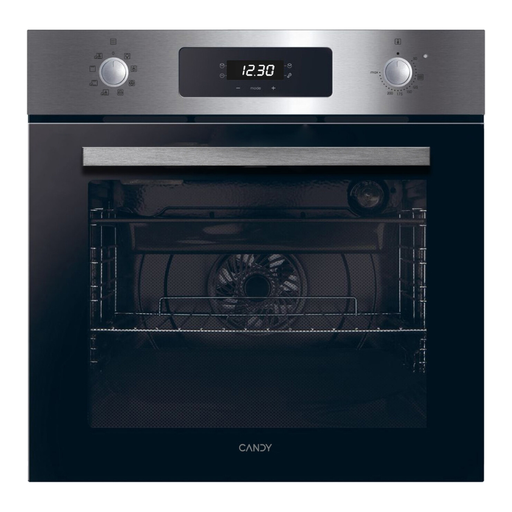
A permanent-installation option for a cottage kitchen refit. The 70 L capacity alone does not establish pie-dish fit; compare usable tray space and the exact cabinet and electrical requirements before choosing it.
 No image available
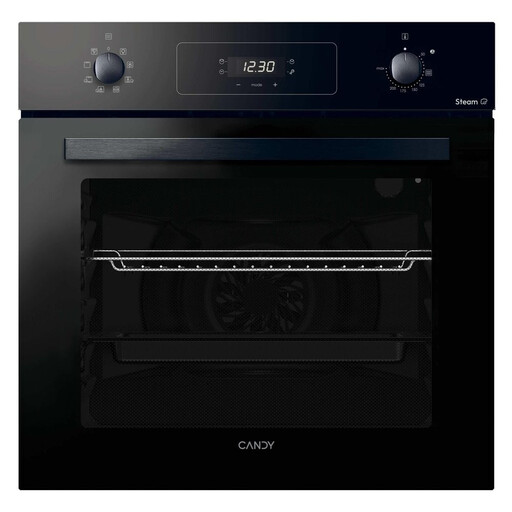
For a kitchen with a suitable permanent oven housing. Measure the usable space for the pie dish and confirm the exact cabinet fit and electrical connection requirements before arranging installation.
 No image available
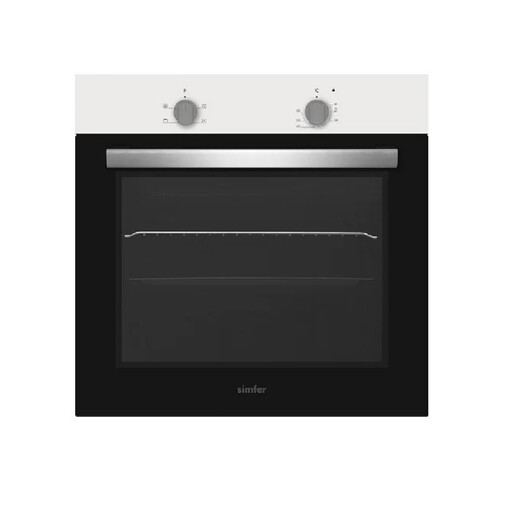
Another option when the cottage can accommodate a permanent built-in oven. Check the usable shelf space for your dish, then confirm the appliance dimensions, cabinet opening and electrical requirements for this model.
Yes, if the dish fits its usable tray and cavity and you follow the appliance and recipe instructions. Measure the outside of the dish rather than relying on the oven's litre capacity.
Follow the recipe or packet instructions and check the middle of the pie, not just its browned topping. GOV.UK's food-business guidance gives a core temperature of 70°C for two minutes as a standard cooking benchmark; use a clean food probe when a temperature check is appropriate.
Do not assume an extension lead is suitable. Electrical Safety First warns that an oven used alongside other large appliances can overload a lead; check the oven's requirements, the lead's marked rating and the available circuit, and seek advice from a qualified electrician if uncertain.
A built-in oven suits a planned permanent installation when the exact model fits the cabinet and its electrical requirements can be met. For a cottage that needs cooking space without cabinet alterations, consider a countertop route instead, provided there is suitable space and electrical provision.