
24/7 Customer Support

Free returns

Same-day & Next-day Delivery

Quality Guaranteed

Unlock Your Welcome Offers: FREE Delivery | Up to 80% OFF | Free 30-day JoyPlus trial
Download the APP
If you've ever tried to recreate an authentic East Asian hot pot or a comforting bowl of noodle soup at home, you've likely come across fish tofu. These soft, bouncy cubes are a staple in many dishes, known for their ability to soak up savoury broths. However, navigating the frozen aisle to find the right packet can be confusing. Many UK shoppers find themselves disappointed with the texture or flavour and it often comes down to a few common purchasing traps.
As a Joybuy Product Recommendation Officer, my role is to help you understand what to look for, so you can choose with confidence. Let's look at the frequent pitfalls and how to sidestep them.
To ensure you get a product that enhances your meal rather than detracts from it, focus on these key details on the packaging.
This is the single most important indicator of quality. Surimi is the base ingredient that gives fish tofu its characteristic flavour and texture. Look for the ingredients list, where the percentage of fish paste is often declared.
Always scan the full list of ingredients, not just the product name. This helps you understand exactly what you're eating and avoid potential allergens.
The composition of a surimi tofu product makes it better suited for certain cooking styles. A good product will provide clear instructions.
To make things easier, here are a few recommendations from our range, matched to different types of home cooks.
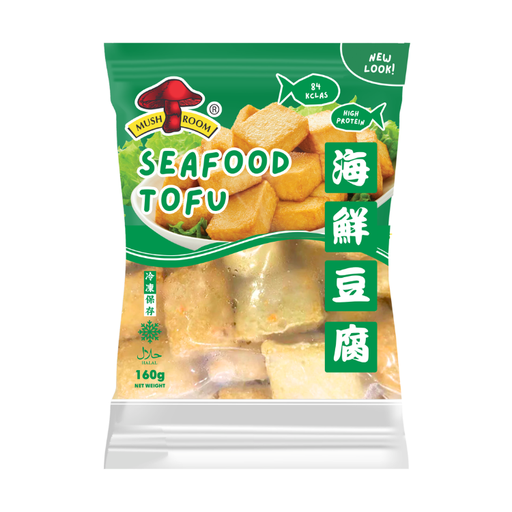
Why This Fits Their Persona: This is a classic, reliable choice for anyone hosting a Chinese hotpot night. Its primary purpose is to perform well in simmering broth, making it a dependable and crowd-pleasing addition to a shared meal.
It directly counters the "filler trap" by clearly stating its surimi content (40%), ensuring a good flavour base. The packaging also explicitly recommends it for hot pot, managing texture expectations perfectly.
Features a classic firm yet yielding bite that excels at absorbing the flavours of broths and sauces without falling apart.

Why This Fits Their Persona: For the home cook who enjoys fusion flavours and wants to add a surprising element to their dishes. The combination of fish paste and a creamy cheese centre offers a modern twist on a traditional ingredient.
This product avoids the "vague description" trap by clearly advertising its unique feature—the cheese filling. You know exactly what you are getting, which is a fusion product, not a traditional plain fish tofu.
Offers a unique triple-layer taste experience with a creamy, savoury centre that contrasts with the soft, bouncy exterior. It's also versatile enough for hot pot, pan-frying or soups.
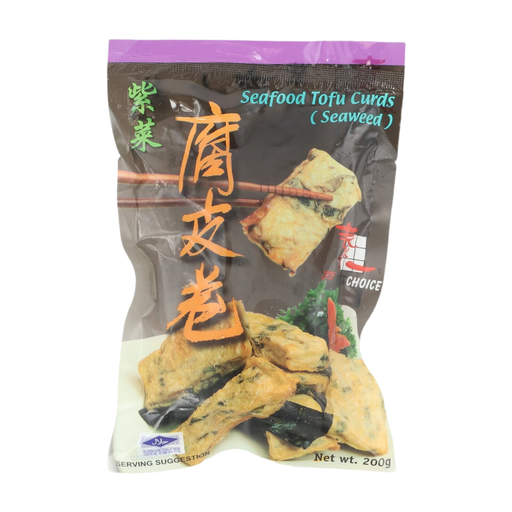
Why This Fits Their Persona: Ideal for someone who prioritises ingredient quality and flavour depth. The high fish content and addition of seaweed appeal to those looking for a more authentic and flavourful product.
This product is the antidote to the "low fish content" trap. It proudly declares a 65% fish paste content, assuring the buyer of a high-quality, flavour-forward experience. The specific name also prevents any ambiguity.
The very high fish content provides a superior, authentic seafood flavour and a higher protein value. The seaweed wrap adds an extra layer of umami and visual appeal.
We have compiled a complete, real-time list of products that fully satisfy these strict selection criteria and UK safety regulations.
No, it is not. This is a common point of confusion. Fish tofu is made from a fish paste called surimi. The "tofu" in its name refers only to its soft, smooth texture and appearance, not its ingredients. Always check the allergen information for fish.
The final texture is often determined by the product's quality and the cooking time. Firstly, choose a product with a higher fish content (over 40%) and less starch, as this generally results in a bouncier, more pleasant texture. Secondly, avoid overcooking. For hot pot ingredients, add them towards the end of your meal, as they typically only need 3-5 minutes to heat through.
Yes, for most applications like hot pot, noodle soups or stews, you can add the frozen fish cake directly to the simmering liquid. This is often the recommended method on the packaging. If you plan to pan-fry or deep-fry, thawing them slightly first can help ensure they cook more evenly and develop a better crust. Always refer to the specific instructions on the product you have purchased.