
24/7 Customer Support

Free returns

Same-day & Next-day Delivery

Quality Guaranteed

Unlock Your Welcome Offers: FREE Delivery | Up to 80% OFF | Free 30-day JoyPlus trial
Download the APP
Choosing among fishing reels can be confusing when product listings focus on dramatic casting distances, premium-sounding materials or impressive-looking designs. For UK anglers fishing canals, rivers, streams and lakes, the right reel depends less on marketing language and more on compatibility, handling and maintenance.
Whether you are comparing spinning reels, casting reels, baitcasting reels or spincast reels, a few checks can prevent an unsuitable purchase.
A reel may look suitable but still feel unbalanced when paired with your rod. Spinning reels are designed for spinning rods, while baitcasting and other casting reels generally require casting rods with the appropriate reel seat and guide arrangement.
Check:
For stream and lake fishing, a balanced setup is easier to control during repeated casts than an oversized reel attached to a light rod.
Casting distance depends on lure weight, line diameter, rod action, wind, spool design and casting technique. A product description that highlights distance does not guarantee the same result with every lure or line.
For lure casting, look for a reel with a spool and braking system suited to your intended lure weights. Beginners may find a straightforward spinning or spincast design easier to manage, while experienced anglers may prefer the direct control offered by baitcasting reels.
A lightweight fishing reel can reduce fatigue during a long session, but low weight alone does not indicate suitability. Materials, frame construction, spool capacity and internal components all affect how a reel feels in use.
UK anglers should also consider wet weather, muddy banks and occasional contact with grit. Rinsing the reel with fresh water after use, drying it thoroughly and following the manufacturer’s lubrication guidance can help maintain smooth operation.
Each format has a different handling profile:
A reel described as a lure casting reel should still be matched to the lure weight and rod recommended by the manufacturer.
The drag system controls how easily line is released when a fish pulls. A drag that adjusts in small increments gives you more control than a system with only broad settings. Product listings may state maximum drag, but this figure should not be treated as the only measure of suitability.
The gear ratio indicates how many times the spool or rotor turns during one handle rotation. A faster ratio can retrieve line quickly, while a slower ratio may provide more controlled winding for certain lure styles. For general freshwater fishing reels, choose a ratio that matches your normal lure speed and fishing technique.
Also check:
For smaller rivers and streams, compact and lightweight designs can make repeated casting more comfortable. For larger lakes or heavier lures, a stronger frame and greater line capacity may be more appropriate.
Aluminium is commonly used in reel construction because it offers a rigid feel without the weight of some heavier materials. However, a product name mentioning metal or aluminium does not by itself confirm the exact construction of every component. Check the detailed specification before buying.
Do not select a spool that is much larger than necessary. Excess capacity can add weight, while too little capacity may restrict your choice of line and fishing location.
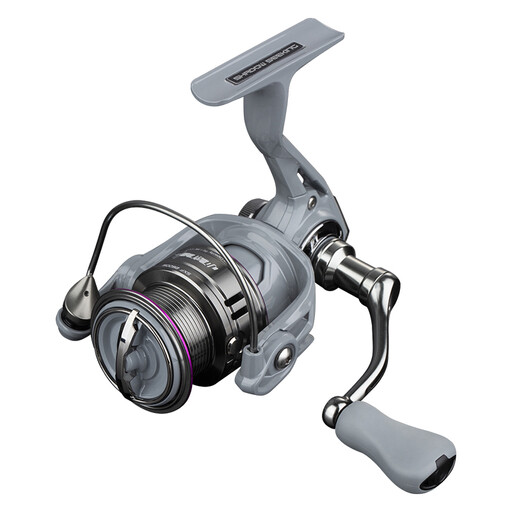
Why This Fits Their Persona: Its product title identifies it as a spincast reel for stream and lake lure casting, making it a practical option for casual freshwater anglers who want a simple format to learn.
A spincast format can reduce the learning curve associated with baitcasting. Confirm line capacity, retrieve side and lure compatibility before ordering.
The listing specifies spincast construction and stream and lake lure-casting use, providing a clear starting point for freshwater setup comparisons.
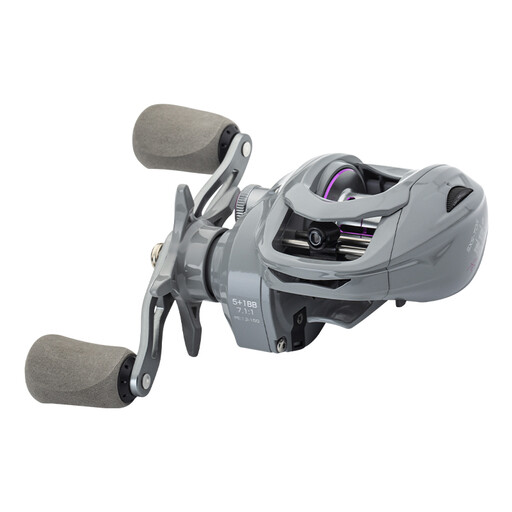
Why This Fits Their Persona: Anglers who value a metal or aluminium-oriented build description may wish to consider this casting and spinning reel for more demanding lure sessions.
The listing directly identifies metal and aluminium in the product name, but buyers should still verify the frame, spool, drag and corrosion-care details before purchase.
The product title specifies a metal aluminium design and identifies both casting and spinning use, which may suit anglers comparing construction styles.
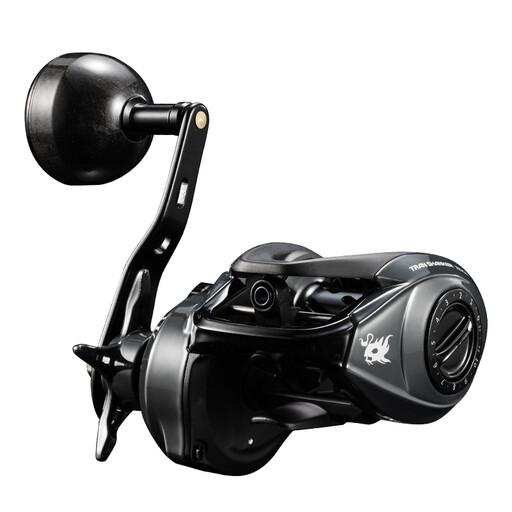
Why This Fits Their Persona: Anglers who cast repeatedly and want to limit tackle weight can investigate this lightweight casting reel for lure-focused freshwater sessions.
Its lightweight positioning addresses the risk of choosing a bulky reel for repeated casting. Check the exact weight, braking system and line capacity on the product page.
The product name identifies a lightweight casting format, making weight a clear comparison point for mobile anglers and long lure-casting sessions.
We have compiled a complete, real-time list of products that fully satisfy these strict selection criteria and UK safety regulations.
Before your first session, spool the reel according to the manufacturer’s instructions and avoid filling beyond the recommended level. An overfilled spool can increase line spill, while an underfilled spool may affect casting performance.
For freshwater fishing reels:
Anglers fishing in England, Wales or Scotland should also check local fishing permissions and rod-licence requirements where applicable. These requirements are separate from the reel itself.
Spinning reels are commonly chosen by beginners because they generally have a straightforward casting procedure and work with many freshwater rod and line combinations. A spincast reel may also suit someone prioritising simple operation. Always match the reel size and line capacity to the rod.
They can be suitable for lure casting in lakes and streams, particularly when accurate placement and spool control are important. They normally require more practice than spinning reels, and the lure weight must fall within the reel and rod’s recommended range.
Service life depends on construction, frequency of use, exposure to water and grit, storage conditions and maintenance. Rinsing away dirt, drying the reel and checking the drag and handle periodically can help reduce avoidable wear. Signs such as grinding, inconsistent drag or excessive play indicate that inspection or replacement may be needed.