
24/7 Customer Support

Free returns

Same-day & Next-day Delivery

Quality Guaranteed

Unlock Your Welcome Offers: FREE Delivery | Up to 80% OFF | Free 30-day JoyPlus trial
Download the APP
Choosing fishing rods can look straightforward until you compare casting weights, rod actions, materials and intended species. A rod suited to a small canal trout session may feel underpowered on the coast, while a heavy boat fishing rod can be tiring and awkward for lure work.
This guide focuses on practical buying decisions for UK anglers, including beginners, recreational sea anglers and anyone looking for a versatile carbon fishing rod.
“Multi-purpose” can mean different things. A rod designed for light freshwater lures may not have the strength or saltwater resistance needed for repeated shore or boat use. Similarly, a long-casting rod may offer extra casting distance but be less convenient on a crowded pier or in a small boat.
Before buying, decide whether you mainly need a:
Carbon fibre can help reduce weight and provide a responsive feel, but “carbon” alone does not explain the rod’s action, durability or suitability for a particular lure or line. Product descriptions should be read alongside the stated length, sections, casting range and guide design.
A rod with a two-piece construction may be easier to transport, but the ferrule needs to fit securely and should be checked regularly for grit, looseness or damage.
A smart finish or large number of guides does not automatically make a rod suitable for your reel and tackle. Check whether the rod is designed for the reel type you use, whether the handle is comfortable and whether its line and lure specifications match your normal set-up.
Longer rods can help with line control and casting from open banks, beaches or harbour walls. However, length can become a disadvantage in confined spaces, dense vegetation or a boat.
A two-piece fishing rod is a useful compromise for UK anglers who travel by car or public transport. Confirm the packed length before ordering, especially if storage space is limited. Also inspect the joining section before each session and make sure both sections are fully seated.
Rod action describes where the blank bends under pressure:
The casting range is equally important. A lure fishing rod should be matched to the weight of the lures you actually use. A rod rated well above your normal lure weight may feel unresponsive, while exceeding the stated range can place unnecessary strain on the blank.
For a long-casting boat rod or shore rod, compare the recommended casting weight, line rating and reel compatibility rather than relying on the word “long-cast” alone.
A carbon fishing rod is often selected for its combination of low weight and sensitivity, but the guide fittings also affect everyday use. The ECOODA Carbon Lure Rod specifically lists Fuji SIC guides and O-ring guide construction in its product title. These are objective design details to compare when selecting a lure rod.
For saltwater fishing, rinse the rod and guides with fresh water after use, dry them thoroughly and avoid storing the rod while damp. This maintenance routine helps remove salt residue, regardless of the guide material.
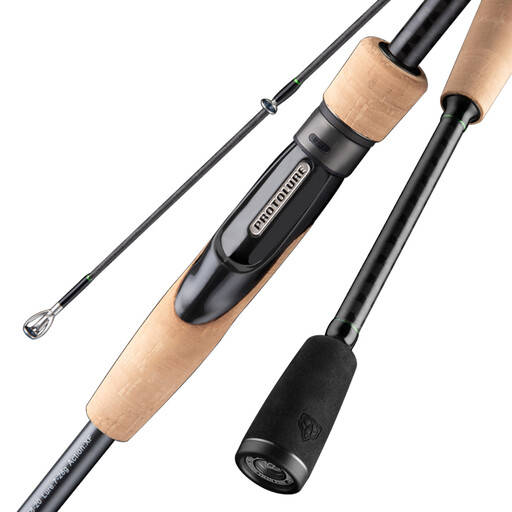
Why This Fits Their Persona: Its stated freshwater and saltwater use makes it a practical starting point for anglers who fish in more than one environment around the UK.
The product is presented for both freshwater and saltwater use rather than being limited to one named venue or species. Check its detailed casting specifications before purchase.
Two-section format; listed for both freshwater and saltwater fishing.
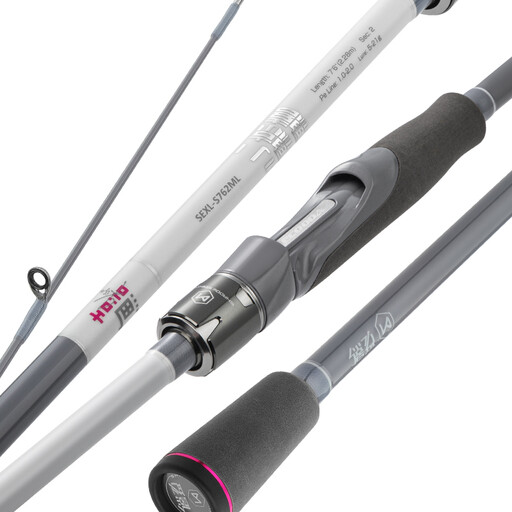
Why This Fits Their Persona: Suitable for anglers who want one named lure rod for bass, trout and carp applications, subject to checking the full specifications for each technique.
Its listing identifies the blank as carbon and specifies Fuji SIC guides and O-ring construction, giving you concrete features to compare instead of relying on vague performance language.
Carbon construction listed; Fuji SIC guides and O-ring guide design specified.
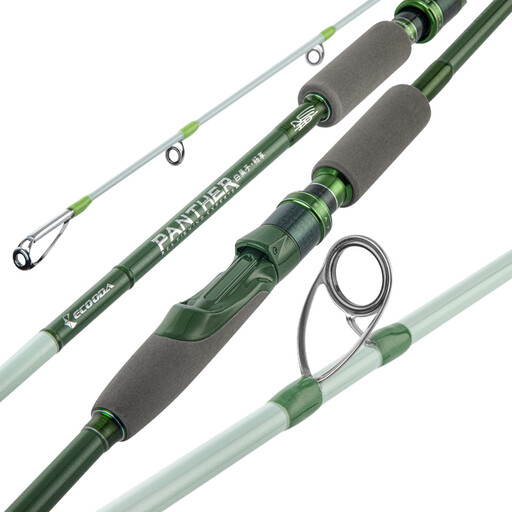
Why This Fits Their Persona: Designed for sea fishing and described as lightweight and long-casting, it suits anglers prioritising distance and reduced carrying weight.
The listing states its intended sea-fishing use, so it is less likely to be confused with a light freshwater or trout rod. Confirm casting and line limits before use.
Listed as lightweight; intended for long-casting sea fishing.
We have compiled a complete, real-time list of products that fully satisfy these strict selection criteria and UK safety regulations.
They can be suitable when the rod’s action, length and casting range match the intended fishing style. Carbon construction is only one part of the selection process. Beginners should prioritise a manageable length, comfortable grip and clear compatibility with their reel and tackle.
Some models are listed for both environments, such as the ECOODA Protolure CC sea bass models. However, freshwater-and-saltwater suitability does not remove the need for cleaning. Rinse the rod after coastal use and check the product’s detailed specifications before pairing it with heavier saltwater tackle.