
24/7 Customer Support

Free returns

Same-day & Next-day Delivery

Quality Guaranteed

Unlock Your Welcome Offers: FREE Delivery | Up to 80% OFF | Free 30-day JoyPlus trial
Download the APP
For any keen angler in the UK, selecting the right fishing tackle is a crucial step towards a successful day on the water. Yet, the market is flooded with options, and it's easy to be misled by marketing jargon and end up with gear that isn't fit for purpose. As the Joybuy Product Recommendation Officer, my role is to help you navigate these choices with clear, practical advice. This guide will highlight common purchasing pitfalls and focus on the key features that truly matter for UK fishing conditions.
Before you invest in new equipment, be aware of a few frequent traps that can lead to disappointment and wasted money:
To make an informed choice, focus on the functional aspects of the tackle rather than the marketing hype. Here are the core parameters to analyse.
The blank is the heart of any fishing rod. Most modern rods are made from carbon fibre, graphite and a composite. A quality carbon fibre rod offers an excellent combination of lightness and sensitivity, which is vital for lure fishing rods where feeling a subtle take is paramount.
A reel's longevity, especially in saltwater, depends on its materials and internal protection. Look for reels with bodies made from machined aluminium for rigidity or high-quality, reinforced graphite for a lightweight yet strong alternative.
The most critical feature for sea fishing rods and boat fishing gear is the drag system. A sealed drag uses gaskets to prevent water and grit from compromising the washers. This ensures your drag remains smooth and reliable when fighting a fish. For anglers using heavier lures, a baitcasting reel can offer superior winching power and casting control, though it requires more practice to master than a standard spinning reel.
The small parts of a rod make a big difference. The line guides are particularly important. Look for rods fitted with components from reputable manufacturers like Fuji. Their SIC (Silicon Carbide) guides are exceptionally smooth and hard-wearing, reducing line friction for longer casts and minimising wear on expensive braided lines. A secure, well-made reel seat is also essential to ensure your reel doesn't wobble or work loose during a long session.
Based on these practical criteria, here are a few options from the ECOODA fishing tackle range, matched to specific types of UK anglers.
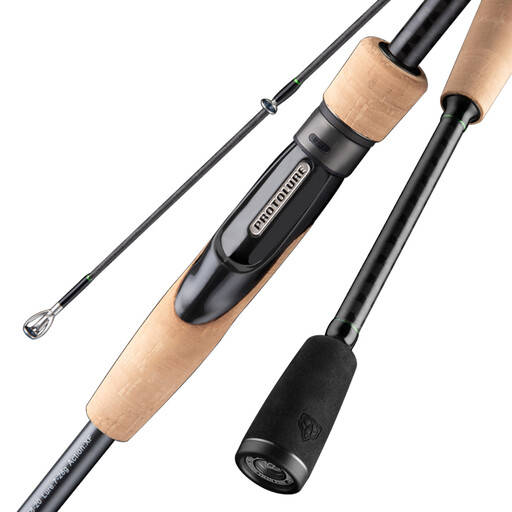
Why This Fits Their Persona: This angler focuses on lure fishing for sea bass from the shore or a boat. They need a sensitive, lightweight rod with the backbone to handle a powerful fish in a current. The two-piece construction makes it easy to transport to coastal marks.
It avoids the "one-size-fits-all" kit trap by being a purpose-built rod for a specific target species, ensuring its action and power are correctly calibrated for effective bass lure fishing.
Specialised design for sea bass provides excellent sensitivity for lure work. Its suitability for both freshwater and saltwater adds versatility.
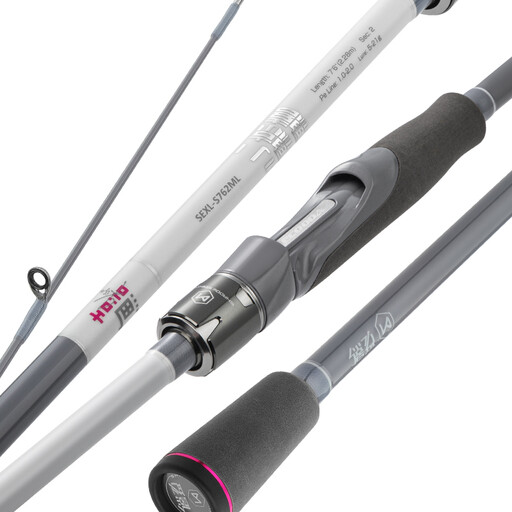
Why This Fits Their Persona: This angler enjoys targeting a variety of species like bass, trout and carp on lures. They value high-performance gear and understand that quality components lead to better results and longevity.
This rod sidesteps the pitfall of poor-quality components. The inclusion of genuine Fuji SIC guides is a clear indicator of quality, preventing the premature line wear and poor casting performance common with cheaper rods.
Premium components enhance casting distance and line management. Its versatile design makes it suitable for targeting multiple popular UK freshwater and saltwater species.
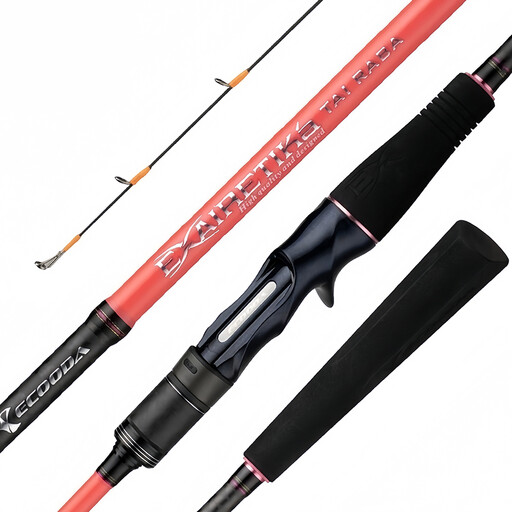
Why This Fits Their Persona: This angler uses modern lure techniques from a boat, such as vertical jigging with rubber or 'Tai-Kabura' style lures. They require a rod with a sensitive tip to detect bites on the drop and a powerful butt section to lift fish from the depths.
This is highly specialised boat fishing gear. It avoids the trap of using an unsuitable shore rod for boat work, providing the correct length, action and power for vertical fishing techniques, which improves bite detection and fish-fighting control.
Purpose-built for effective modern boat lure techniques like Tenya and rubber jigging. The specific action enhances lure presentation and bite sensitivity.
We have compiled a complete, real-time list of products that fully satisfy these strict selection criteria and UK safety regulations.
The lifespan of a carbon fibre rod depends heavily on its care. A well-maintained rod can last for many years. The most important maintenance steps are to rinse it thoroughly with fresh water after every use in the sea and to store it in a protective tube or case. Avoid "high-sticking" (lifting the rod past a 90-degree angle when fighting a fish) and protect it from impacts, as these are the most common causes of failure.
For most serious anglers, yes. High-quality guides, such as those made by Fuji, use superior materials like SIC (Silicon Carbide) or Alconite. These rings are smoother and more durable than the generic ceramic inserts found on cheaper rods. This reduces friction, allowing for longer casts and significantly reducing wear on your fishing line, especially when using abrasive braided lines. They are also mounted in frames with better corrosion resistance, a vital feature for any sea fishing rod.
A spinning reel (or fixed-spool reel) is generally more versatile and easier for beginners to use without getting line tangles (bird's nests). They are excellent for casting lighter lures. A baitcasting reel (or multiplier) sits on top of the rod and offers greater cranking power and precision, especially with heavier fishing lures UK anglers might use for pike or inshore boat fishing. While they have a steeper learning curve, many experienced anglers prefer them for their direct feel and control.