
24/7 Customer Support

Free returns

Same-day & Next-day Delivery

Quality Guaranteed

Unlock Your Welcome Offers: FREE Delivery | Up to 80% OFF | Free 30-day JoyPlus trial
Download the APP
Choosing a Fitbit fitness tracker and smartwatch is not simply a matter of picking a colour or the lowest price. The right model depends on whether you need phone-connected GPS, built-in GPS, detailed sleep information, frequent workout tracking or a lightweight design for wearing overnight.
For UK shoppers, a few marketing details can also be misleading. Battery figures may describe light usage rather than constant GPS or always-on display use, while “water-resistant” does not mean suitable for hot tubs or saunas. Before buying, compare the practical specifications that affect everyday use.
Some Fitbit models use your smartphone’s GPS connection. This is suitable for walks, runs and hikes when you normally carry your phone, but it will not independently record routes if you leave your mobile at home.
A smartwatch with built-in GPS, such as the Fitbit Versa 4, can record pace and distance outdoors without relying on your phone. This is a useful distinction for runners, cyclists and people who prefer phone-free workouts.
“Up to” battery life is measured under particular conditions. Frequent GPS use, notifications, an always-on display and repeated workouts can reduce the interval between charges. A compact tracker may offer up to 10 days in typical conditions, while a larger smartwatch may offer around six days with more features.
Consider how often you are willing to charge. If you want sleep tracking every night, a fitness tracker with long battery life may be more convenient than a feature-heavy device requiring regular charging.
A rating of 5 ATM or up to 50 metres generally indicates resistance suitable for swimming and everyday water exposure under specified conditions. It does not make a device suitable for hot water, saunas, steam rooms or high-pressure sprays.
Rinse the device with fresh water after exposure to chlorine or salt water, dry it fully before charging and follow the manufacturer’s care instructions. “Swimproof” should not be interpreted as “waterproof in every environment”.
For occasional walks or gym sessions, connected GPS may be sufficient. The Fitbit Inspire 3 supports connected GPS through a paired smartphone and includes 20+ exercise modes, covering activities such as swimming, weights and yoga.
If you run, cycle or hike regularly, built-in GPS is more practical. The Fitbit Versa 4 and Fitbit Charge 6 include built-in GPS, with the ability to record outdoor pace and distance without carrying a phone. The Versa 4 offers 40+ exercise modes, while the Charge 6 also supports more than 40 modes and selected compatible cardio-machine connections.
A fitness tracker is more likely to be worn consistently if it is comfortable during work, exercise and sleep. The Inspire 3 tracker unit weighs approximately 13.8g, making it a discreet option for overnight wear. Its OLED touchscreen is smaller and simpler than a smartwatch display.
The Versa 4 uses a larger AMOLED touchscreen and weighs approximately 38g, offering more room for notifications, workout information and on-wrist controls. Check included strap sizes and wrist measurements before ordering, particularly if you need a larger or smaller band.
Most models in this range provide heart rate, activity and sleep information through the Fitbit app. These features are for general fitness and wellness purposes, not for diagnosing or treating medical conditions.
The Inspire 3 provides 24/7 heart rate monitoring, sleep stages, Sleep Score, stress management tools and Active Zone Minutes. The Charge 6 adds features including built-in GPS, ECG functionality and Google services on selected versions. The Sense 2 includes health-focused functions such as ECG, SpO₂ tracking, stress management and sleep tools, although availability can depend on region, account settings and compatible software.

Why This Fits Their Persona: A straightforward starting point for UK adults building daily walking, sleep and activity habits without needing a large smartwatch.
Its connected GPS is clearly suited to phone-carrying users, while the stated battery life of up to 10 days reduces frequent charging.
24/7 heart rate monitoring, sleep tracking, 20+ exercise modes and 50m water resistance.
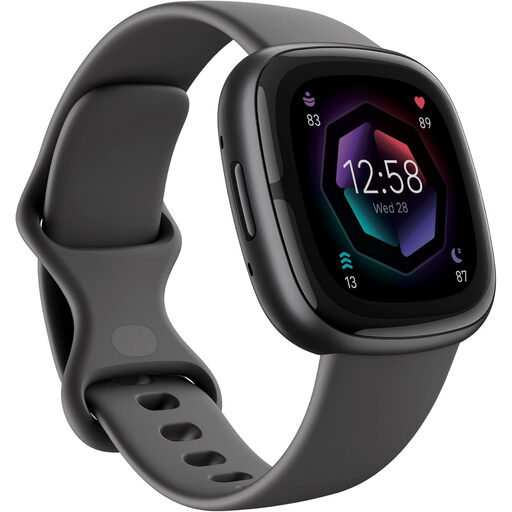
Why This Fits Their Persona: Suitable for users who want a larger smartwatch format with broader health, sleep and stress-management functions for daily use.
Its specification lists built-in GPS and a battery life of up to 6+ days, helping separate independent outdoor tracking from phone-connected features.
AMOLED touchscreen, ECG and SpO₂ functions, sleep tools, stress management and 50m water resistance.
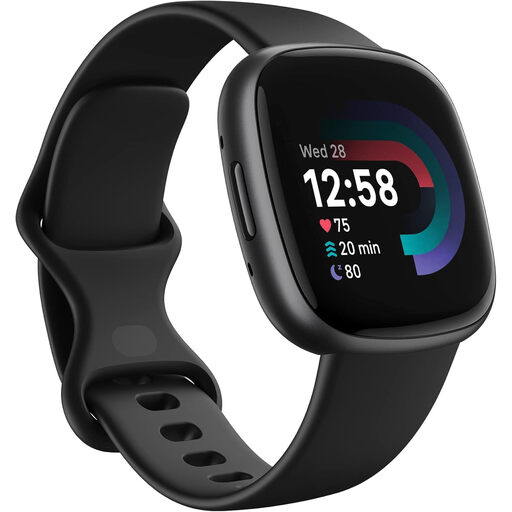
Why This Fits Their Persona: A practical smartwatch format for runners, gym users and outdoor walkers who want on-wrist workout information and phone-free GPS.
The built-in GPS is specified separately from phone connectivity, and the 40mm case includes standard and large straps for a more considered fit.
40+ exercise modes, AMOLED display, contactless payment support, notifications and up to 6 days of battery life.

Why This Fits Their Persona: Designed for active users wanting a slim tracker with built-in GPS, varied exercise modes and selected Google controls.
Its listed seven-day battery estimate and built-in GPS address two common concerns, while the 5 ATM rating has clear limits around hot water and charging.
40+ sports modes, AMOLED display, Google Maps, Google Wallet, heart-rate tracking and swim-oriented water resistance.
We have compiled a complete, real-time list of products that fully satisfy these strict selection criteria and UK safety regulations.
Yes. Models such as the Inspire 3, Versa 4, Charge 6 and Sense 2 provide sleep-related information through the device and Fitbit app. Comfort and battery life matter because the tracker needs to be worn overnight and charged regularly.
The Fitbit Versa 4, Sense 2 and Charge 6 product specifications listed here include built-in GPS. The Fitbit Inspire 3 uses connected GPS through a compatible smartphone, so it is more appropriate if you usually take your phone on walks or runs.
The main ongoing considerations are electricity for charging, replacement straps and any optional Fitbit Premium subscription. Charging costs are generally small, but Premium access may add a recurring expense for selected insights, guided content or additional features. Check the current terms and pricing before purchasing.