Who is a tracker for?
Start with the activity you want to record regularly. A device that fits comfortably and works with your phone is more useful to your routine than a longer feature list you will rarely use.
Everyday activity builders
If walking, general activity or sleep trends are your focus, consider how the tracker feels during a full day and overnight. Check the exact model's activity measurements against independent testing; Which? tests trackers during walks, runs and daily tasks.
Outdoor pace-and-route trackers
For regular runs, rides or longer walks, decide whether you need a route record without carrying a phone. Check whether GPS is built in or uses your phone, then compare battery estimates for the mode you would actually use.
Buyers who want control over connected data
If heart-rate or sleep trends interest you, check how fit and activity affect readings as well as what the companion app uploads. Account requirements, optional sharing and membership-only features can change how you use the device.
What matters when choosing?
Choose the form of tracker around your main activity, then check the particular model rather than assuming every band, GPS tracker or smartwatch works the same way.
| Concern |
What to check |
Who this matters to |
| Activity measurements |
Look for independent tests of the exact model during your main activities, and check the recommended sensor fit. |
If workout readings will shape my routine, I want to know how dependable they are during the activities I do. About 33% of consumers put measurement confidence first. |
| Outdoor GPS and battery |
Confirm whether GPS is built in or phone-connected; compare GPS-mode battery estimates with your session length. |
For a run or ride without my phone, I need a route record and enough battery for the session. Outdoor GPS and battery are the primary concern for about 27% of consumers. |
| Fit and water use |
Check strap adjustment and comfort for extended wear, plus the exact model's swimming guidance if relevant. |
If I plan to wear a tracker through the day, overnight or while swimming, its fit and permitted water use can decide whether it suits me. About 20% of consumers put wearability first. |
| Phone, membership and data |
Confirm phone and account requirements, which desired app features need membership, and activity-data sharing controls. |
I want the app to work with my phone without giving up control of activity or location records, and I need to know which features require membership. These connected-service questions come first for about 20% of consumers. |
Brands to consider
These brands illustrate different approaches to activity tracking. Compare the particular device and app you would use, rather than treating a brand name as a specification.
Fitbit
Fitbit's band and smartwatch lines cover routine activity and workouts; the features available through the companion app can affect which model suits you.
- The Charge 6 is described in Joybuy product information as having built-in GPS for outdoor pace, distance and routes.
- Google Health Help Center says Versa 4 setup requires a Google Account, the Google Health app and a compatible Android or iPhone device. Google marks some app features as Premium; check entitlements for the model you want.
Garmin
Garmin's GPS-oriented devices are relevant when outdoor activity records and battery use during exercise are central to the choice.
- Garmin provides mode-specific battery assumptions for the Forerunner 165, allowing a closer comparison with a planned GPS session.
- Garmin says its device can be used without uploading data, but most Garmin Connect features are limited or unavailable without upload. Review the connected features you need.
Apple
Apple Watch is a smartwatch-led option for people considering activity tracking alongside phone-connected functions.
- Apple describes user-controlled sharing in its Health app and optional iCloud syncing.
- Check compatibility for the exact watch, iPhone and software versions. Apple also advises a snug top-of-wrist fit for workout measurements.
Joybuy products for different routines
These selections include bands for routine activity, a Charge 6 for shoppers considering built-in GPS, and a smartwatch for those who also want connected functions. Choose by your intended use and check each variant's setup and activity guidance.
 No image available
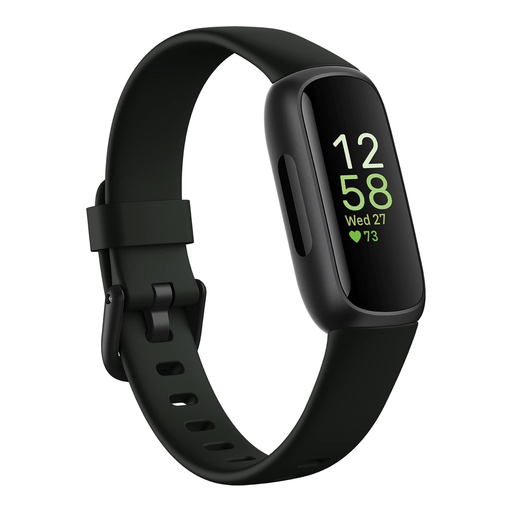
Fitbit Inspire 3 – Midnight Zen/Black
Consider this band for a routine centred on everyday activity and overnight wear. If recording outdoor routes matters, check the phone-connected GPS arrangement against how you prefer to exercise; also review the app and membership features you expect to use.
Joybuy
 No image available
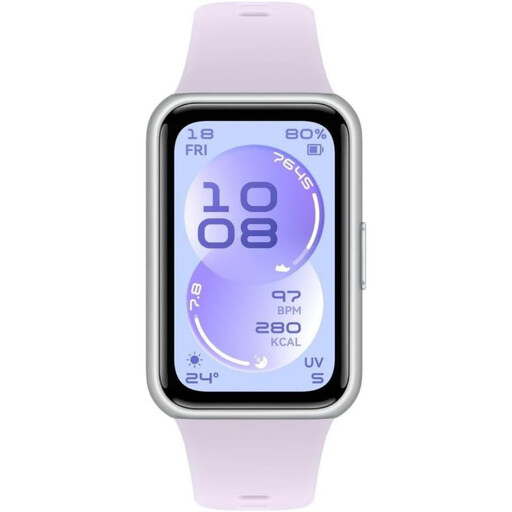
HUAWEI Band 11 – Purple, Polymer Case
This band is a consideration for regular activity tracking and extended wear. If swimming is part of your routine, follow the exact variant's water-use guidance; if routes matter, confirm its GPS arrangement before choosing it.
Joybuy
 No image available
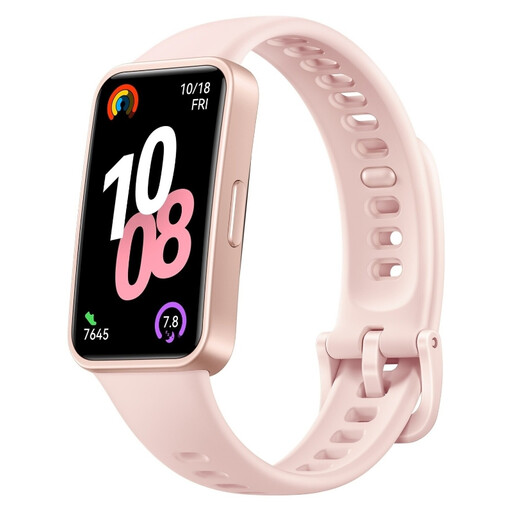
HUAWEI Band 10 (Nora-B19F) – Pink
For a routine mixing workouts and swimming, check this band's activity and water-use guidance against your plans. Confirm how it records outdoor routes if pace or distance without a phone is important, and compare battery estimates for your settings.
Joybuy
 No image available
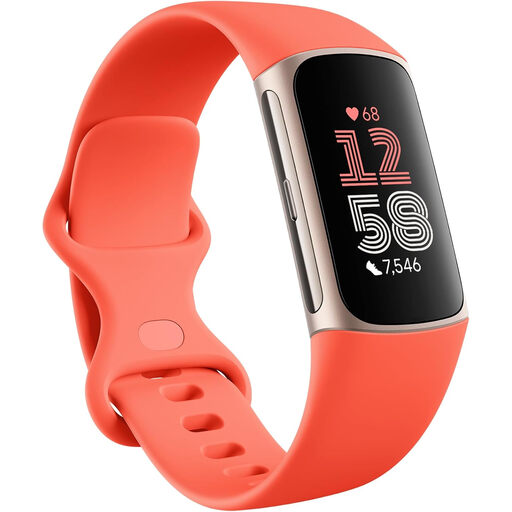
Fitbit Charge 6 – Coral/Champagne Gold Aluminium, 3 months Google Health Premium
Consider the Charge 6 if outdoor pace, distance and routes without carrying a phone are priorities; Joybuy describes built-in GPS for the Charge 6. The product title states a 7-day battery figure, but compare a GPS-mode estimate with your sessions. Confirm eligibility and continuing terms for the stated Premium offer before relying on it.
Joybuy
 No image available
HUAWEI Watch GT6 Pro 46mm Titanium – Black
This smartwatch is worth considering if you want activity tracking alongside phone-linked functions. Check whether its 46mm case and the stated 140–210 mm wrist range fit comfortably, then compare a GPS-mode battery estimate with your longest outdoor sessions. Review companion-app requirements and data controls before setup.
Joybuy
Frequently asked questions
Can tracker readings diagnose a health condition?
No: use consumer wearable readings for personal activity and wellness tracking, not diagnosis or treatment decisions. If an app claims to identify a condition, check its stated intended use rather than treating an ordinary fitness reading as a clinical assessment.
Why might wrist heart-rate readings vary during exercise?
Fitbit says physiology, device placement and activity affect accuracy. Apple advises a snug fit on top of the wrist for Apple Watch workout measurements. Check fit and placement, and consider independent testing of the exact model for your main activity.
Will I need an account or membership?
Requirements vary by model and by feature. Google Health Help Center says Fitbit Versa 4 setup needs a Google Account, the Google Health app and a compatible Android or iPhone device; Google labels some app features as Premium. Check setup and ongoing feature access for the tracker you intend to buy.
What should I check before sharing activity data?
Review whether the companion app uploads activities and GPS routes, who can see shared records, and its export and deletion controls. Garmin says connected Garmin Connect features can involve uploaded activity data; Apple describes user-controlled Health sharing and optional iCloud syncing.
Which battery estimate matters for outdoor exercise?
Use the estimate for the mode that matches your session, especially GPS use, rather than a general days-of-use figure. Garmin's Forerunner 165 documentation separates battery assumptions by mode and notes that use beyond those assumptions can reduce runtime.


