
24/7 Customer Support

Free returns

Same-day & Next-day Delivery

Quality Guaranteed

Unlock Your Welcome Offers: FREE Delivery | Up to 80% OFF | Free 30-day JoyPlus trial
Download the APP
Choosing fitness supplements can be surprisingly difficult. Powders, capsules, gummies and ready-to-drink products often use similar language, while their caffeine levels, serving sizes and dietary suitability can differ considerably.
For UK shoppers, the sensible approach is to compare the label rather than the marketing message. A supplement can complement a balanced diet and training plan, but it is not a replacement for food, sleep, hydration or professional medical advice.
Pre-workout supplements may contain caffeine, creatine, beta-alanine, citrulline, taurine and vitamins in one serving. More ingredients do not automatically mean the product is a better fit. Check whether the formula matches your goal and whether the individual amounts are clearly stated.
For example, Applied Nutrition ABE Pre Workout lists 200mg caffeine, 4g citrulline malate, 3g creatine monohydrate and 2g beta-alanine per 12.5g serving. This is useful label information, but it also means you need to consider your total daily caffeine intake from coffee, tea, energy drinks and other supplements.
A fat burner powder or thermogenic fat burner cannot replace a suitable calorie intake and consistent activity. Products may contain ingredients such as caffeine, green tea extract, acetyl-L-carnitine or botanical extracts, but advertised outcomes should not be treated as guaranteed.
Applied Nutrition Shred-X, for instance, provides 3g acetyl-L-carnitine, 450mg green tea extract and 200mg caffeine per serving, with the product information stating 228mg caffeine including green tea. The label also advises limiting green tea extract and avoiding other products containing it on the same day. These details matter more than phrases such as “shredding formula”.
Some listings can contain inconsistent serving instructions, while allergen information may refer to shared manufacturing facilities. Always read the physical packaging before use, especially if you have allergies, follow a vegan or Halal diet, or take prescription medication.
Do not assume that sugar-free supplements are free from sweeteners, or that vegan sports nutrition products suit every dietary requirement. Ingredients such as sucralose, maltitol, coconut or milk traces may still be relevant to your choice.
Caffeine is one of the most important checks when comparing energy and performance supplements. Look for the quantity per serving and the maximum daily serving. A 200mg serving may be suitable for some healthy adults but inappropriate for caffeine-sensitive shoppers, late-night trainers or anyone already consuming several caffeinated drinks.
For evening sessions, consider a stimulant-free pre-workout or caffeine-free supplements. These may contain ingredients such as citrulline malate, beta-alanine, creatine or AAKG, without added caffeine. “Non-stim” does not mean risk-free, however, so follow the product directions and check for medication interactions.
Compare quantities, not just ingredient names. A product listing should clearly state the serving size and the amount of each significant ingredient.
Common examples include:
A large tub is not always more economical if you dislike the flavour or use only half a serving. Compare the number of servings, preparation time and storage requirements.
Gummies and hydration sachets are convenient for commuting, travel or gym bags. Powders may offer more flexible serving sizes, while capsules can be simpler for daily routines. Also check whether the product is vegan, Halal-certified, gluten-free, dairy-free or suitable for a sugar-free diet. Certification and allergen statements should be verified on the current packaging.
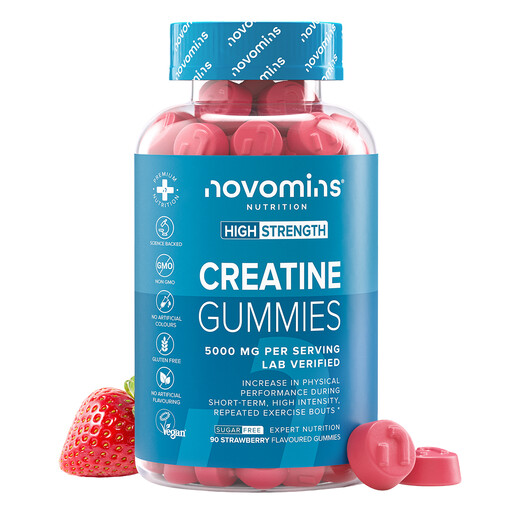
Why This Fits Their Persona: A chewable format may suit beginners who do not want to measure powders or carry a shaker to the gym.
The listed serving amount makes comparison easier than relying on vague “performance” wording. Check the current label because the supplied directions contain conflicting gummy quantities.
5,000mg creatine monohydrate per stated serving; vegan, Halal, gluten-free and dairy-free formula.
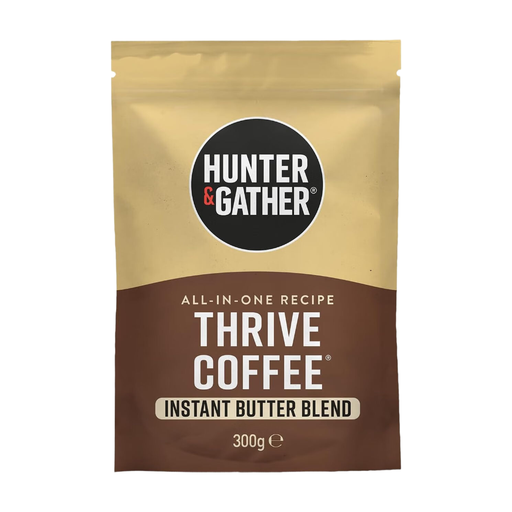
Why This Fits Their Persona: It combines a morning coffee routine with a measured powder format for UK commuters and active professionals.
Its label states 120mg caffeine per 5g serving, helping buyers track intake instead of assuming it is caffeine-free because it contains mushroom extracts.
Organic Peruvian Arabica coffee; no added sugar, dairy, artificial sweeteners, fillers or preservatives stated in the listing.
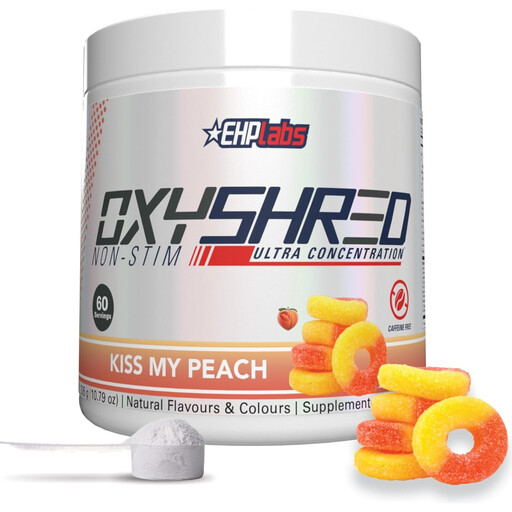
Why This Fits Their Persona: The caffeine-free positioning suits people training after work or reducing stimulant intake.
The supplied ingredients list does not include caffeine or a conventional stimulant, but it does contain Theacrine, so users should still review the label and personal tolerance.
Zero caffeine stated; includes vitamin C, B vitamins, L-tyrosine and taurine in a 60-serving powder format.
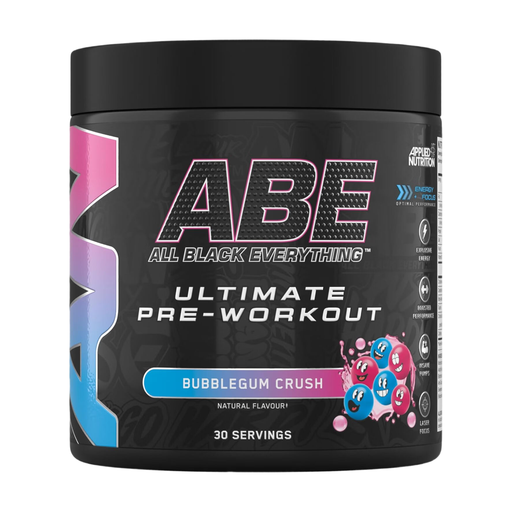
Why This Fits Their Persona: It is designed for healthy adults who want a clearly portioned pre-training drink before demanding gym sessions.
The serving size and active amounts are disclosed, and the directions specify a maximum of one serving daily. It is not suitable for under-18s, pregnancy or breastfeeding.
200mg caffeine, 4g citrulline malate, 3g creatine and 2g beta-alanine per serving; vegan-friendly and Halal-certified according to the listing.
That depends on the product and your routine. A supplement may be convenient when it provides a nutrient or format you regularly use, such as creatine, hydration electrolytes or a measured pre-workout serving. Compare the cost per serving, not just the tub price, and avoid paying for ingredients you do not need.
Some pre-workout products already contain creatine, so check the label before adding creatine gummies, powder or hydration creatine sachets. Avoid duplicating products without calculating your total daily intake. If you have a medical condition, take medication or have concerns about creatine use, seek advice from a qualified healthcare professional.
Shelf life varies by product and storage conditions. Keep powders in a cool, dry place, close the container securely and use the stated best-before information. Sachets and ready-to-drink products can be practical if you use supplements occasionally, while a 60-serving tub may offer better value for consistent users. Always check the current packaging, ingredients and directions before consumption.