
24/7 Customer Support

Free returns

Same-day & Next-day Delivery

Quality Guaranteed

Unlock Your Welcome Offers: FREE Delivery | Up to 80% OFF | Free 30-day JoyPlus trial
Download the APP
Navigating the world of wearable tech can feel overwhelming. With a constant stream of new devices, it's easy to fall for marketing hype and end up with a fitness tracker that doesn't meet your needs. As a Joybuy Product Recommendation Officer, my role is to help you see past the clutter and make an informed choice.
Many UK shoppers find themselves caught in a few common pitfalls. Understanding these ahead of time can save you both money and frustration.
health tracker is only useful if its data is reliable enough to act upon. An inaccurate heart rate monitor watch can provide misleading information about your workout intensity and recovery.activity tracker spends more time on its charger than on your wrist, it fails at its primary job. Always look for "typical usage" battery life, not just "standby" time.To avoid these issues, focus on a few core parameters that truly define a good fitness tracker.
The heart of any wearable tech is its sensor suite. Most devices use an optical photoplethysmography (PPG) sensor to measure heart rate and blood oxygen (SpO2). The quality of this sensor and the software that interprets its data determines the device's accuracy. For general wellness, modern trackers are quite capable, but if you're training seriously, look for devices known for their consistency. This data is fundamental for everything from workout tracking to sleep analysis.
There is always a trade-off between functionality and battery life. A feature-rich smartwatch with a bright, always-on display, continuous health monitoring and built-in GPS will naturally require more frequent charging than a simpler band. Consider your lifestyle. Are you happy to charge your device every couple of nights, or do you need something that can last a full week or more on a single charge? A dedicated GPS watch is excellent for runners, but the battery will drain faster when the GPS is active.
A tracker is only effective if you wear it consistently. This is especially true for a sleep tracker. The traditional wrist-based smartwatch or band is the most common form, but it can be cumbersome for some, particularly during sleep. An emerging alternative is the smart ring, which offers a discreet, screen-free experience. It’s lightweight and comfortable for 24/7 wear, making it an excellent choice for those who prioritise sleep and recovery data without the constant notifications of a watch.
Based on these practical considerations, here are a few options from our catalogue, matched to different user needs.

Why This Fits Their Persona: This is an ideal entry point for anyone new to fitness tracking. It provides all the essential metrics—heart rate, sleep, SpO2 and activity—in a lightweight, comfortable band without a hefty price tag. It's straightforward and focuses on core functionality.
It delivers a full suite of tracking features without requiring a paid subscription. Its impressive battery life of up to 8 days with regular use means you won't be caught in the daily charging trap.
5 ATM water resistance makes it suitable for swimming. The ultra-lightweight 14g design ensures it's comfortable enough for 24/7 wear, including sleep.
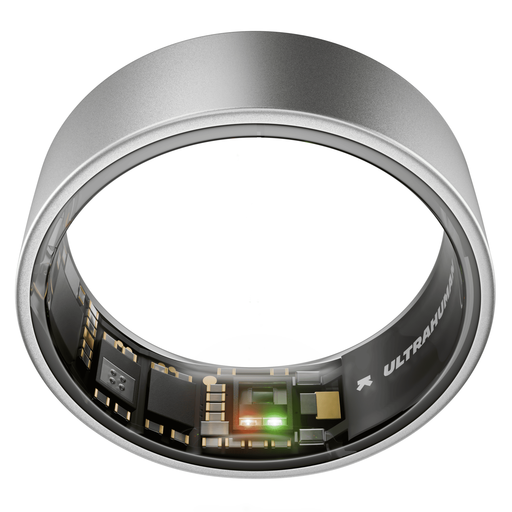
Why This Fits Their Persona: This user prioritises deep, actionable insights over notifications. The screenless `smart ring` form factor is perfect for unobtrusive, 24/7 tracking of sleep, recovery and stress, using metrics like heart rate variability (HRV) and skin temperature.
It offers premium-level health data and analysis without any subscription fees, directly countering the most common trap in the high-end wearables market. Its focus on core metrics ensures the data is meaningful, not just for show.
Made from space-grade titanium, it is both durable and exceptionally lightweight. The "Dynamic Recovery Score" provides a clear, real-time indicator of your body's readiness to perform.
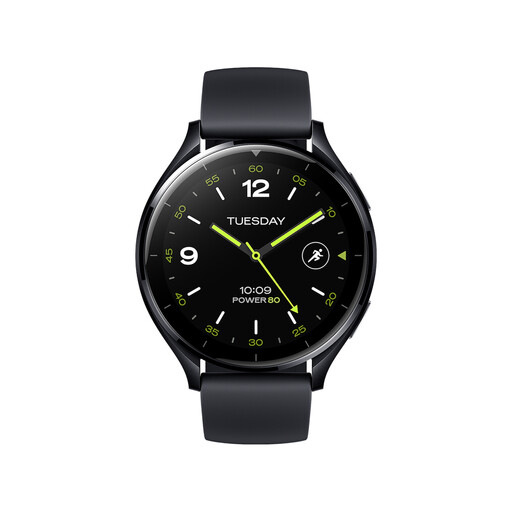
Why This Fits Their Persona: This user wants a device that seamlessly integrates with their digital life. Powered by Google WearOS, it offers access to a wide range of apps, contactless payments via NFC and robust notification handling, alongside a comprehensive fitness tracking suite.
It avoids the trap of being a "smart" watch with poor fitness features (or vice versa). It delivers on both fronts with 150+ sport modes and built-in GPS for accurate tracking, plus the full functionality of WearOS.
The vibrant 1.43" AMOLED display provides excellent clarity for viewing stats on the go. The inclusion of **Google WearOS** means access to a mature app ecosystem, including Google Maps and Wallet.
We have compiled a complete, real-time list of products that fully satisfy these strict selection criteria and UK safety regulations.
Yes, provided it has an appropriate water resistance rating. Look for a rating of 5 ATM (or 50 metres). This indicates the device can withstand pressure equivalent to a depth of 50 metres and is suitable for shallow-water activities like swimming in a pool or the ocean. It is not recommended for high-velocity water sports or scuba diving. Always rinse the device with fresh water after swimming in salt or chlorinated water.
For general fitness and wellness tracking, the optical heart rate sensors in modern fitness trackers are generally reliable for monitoring trends and resting heart rate. However, during high-intensity interval training where your heart rate changes rapidly, they can sometimes lag. For the highest level of accuracy in those situations, many athletes still pair their watch with a dedicated chest strap monitor.
Most trackers provide essential functions like step counting, basic sleep data and workout tracking without a subscription. However, some brands place their most advanced analytics, personalised coaching or in-depth health reports behind a recurring payment. It is crucial to check what features, if any, require a subscription before you make a purchase to understand the full long-term cost.